Our Company
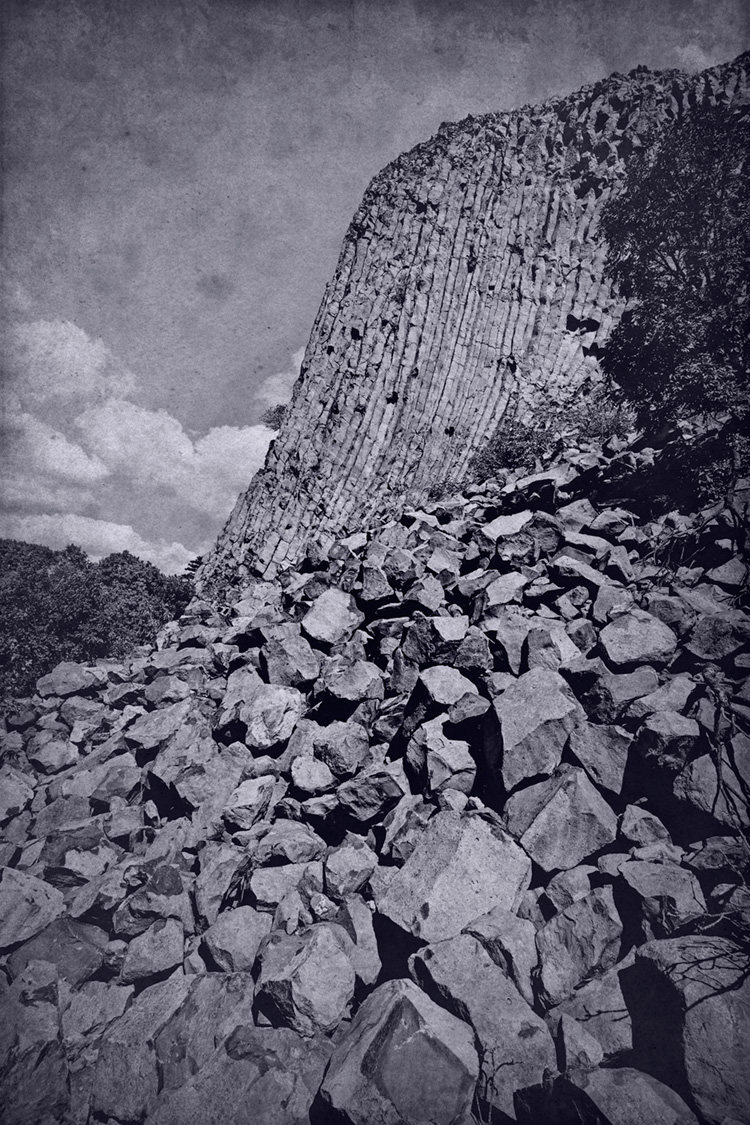
The road to Granite Construction Company was built one granite block at a time. Granite Construction’s roots are traced to the founding of Granite Rock Company, formed in 1900, the firm that gave birth to Granite Construction Company.
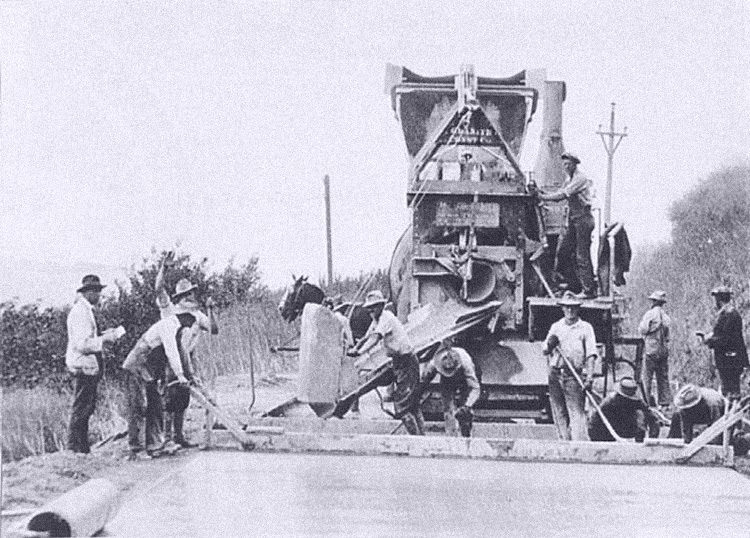
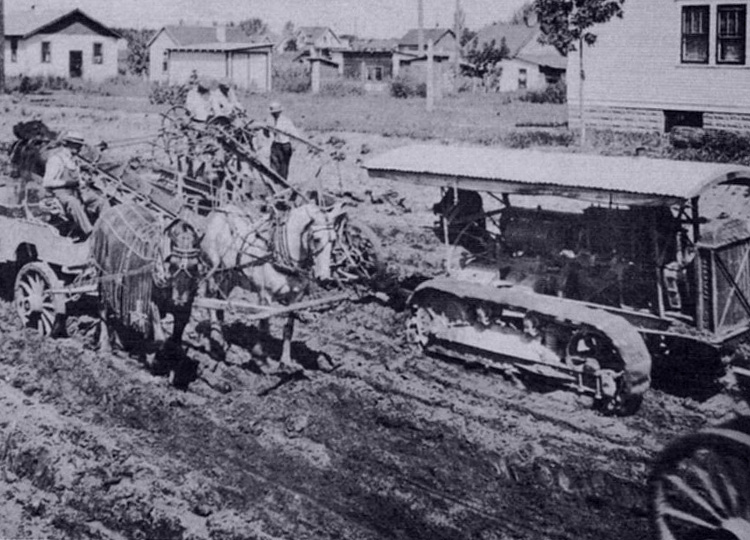
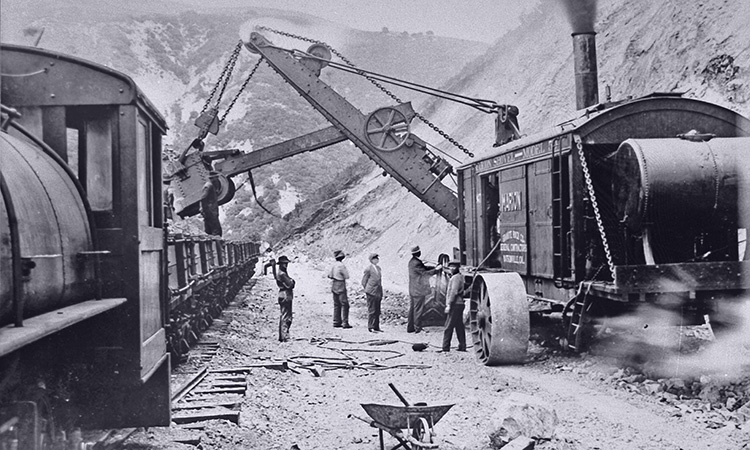
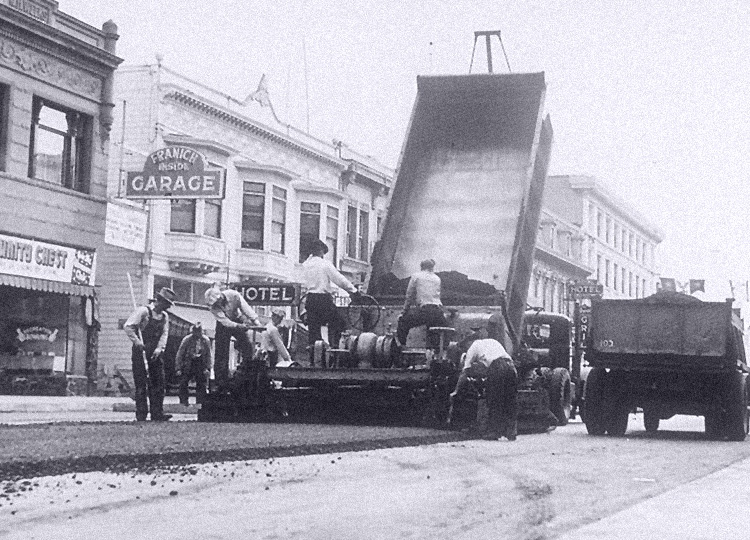
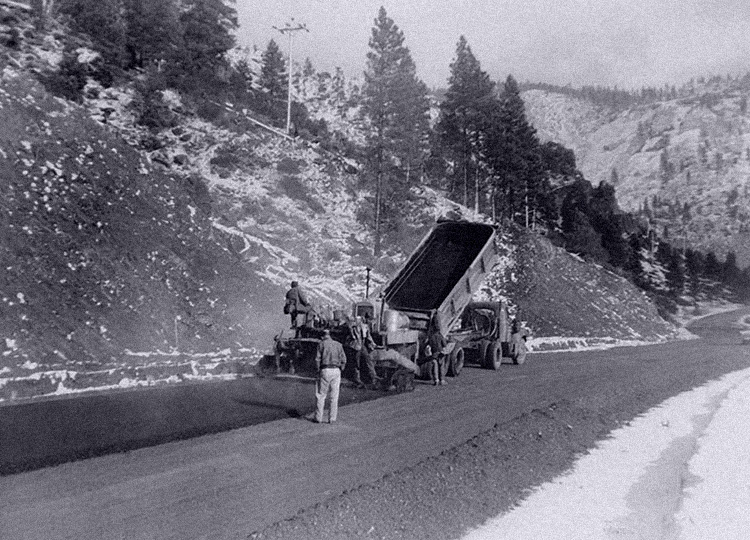
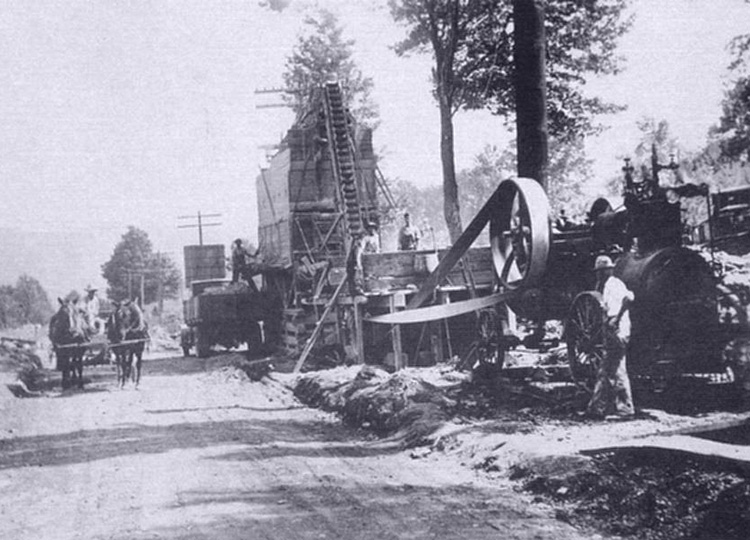
It was quarrying, not building, that was the focus of the day. Still, Granite Rock built. The company saw construction as a sideline that helped drive its aggregate business—a retail outlet for its rock. From its inception the company strived to complete successively larger jobs. First it was the public library in Watsonville, California. Then it was neighboring Santa Cruz’s courthouse. The company’s big break came when it won a job to pave Lake Avenue in Watsonville with water-bound macadam, a crude form of asphalt wherein smaller stones are cemented in place using stone dust and water. Roadwork required Granite to hire more and more men, many of them coming from the local prison—but not all.
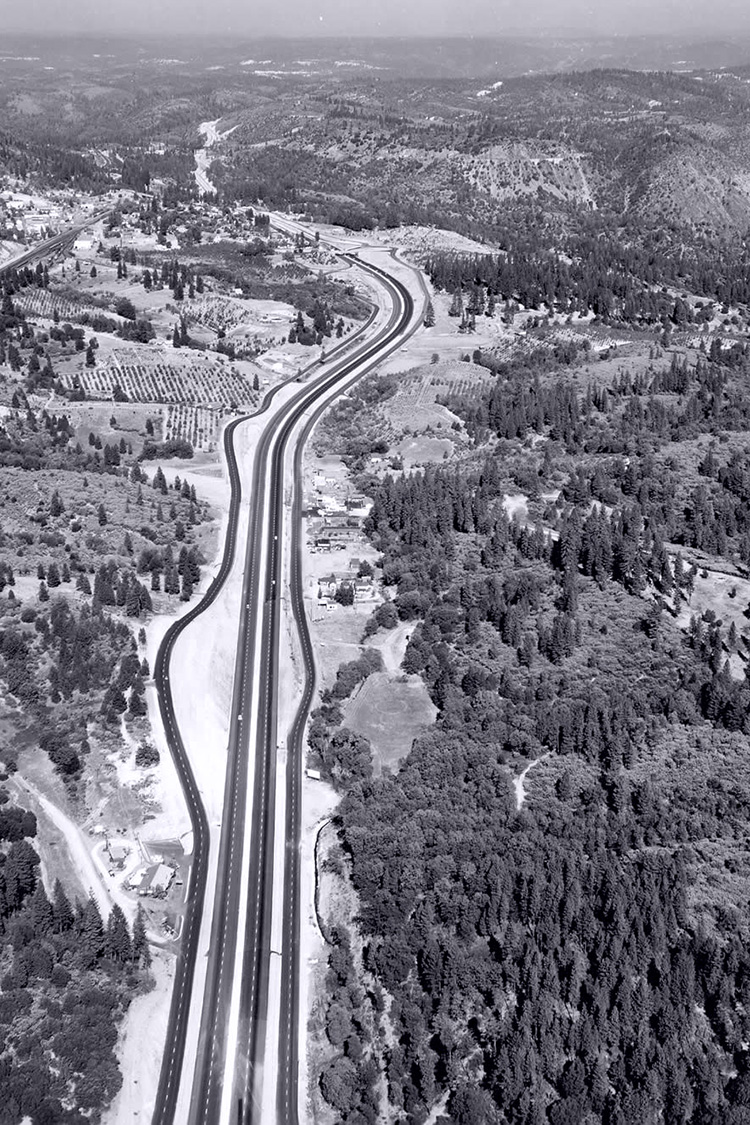
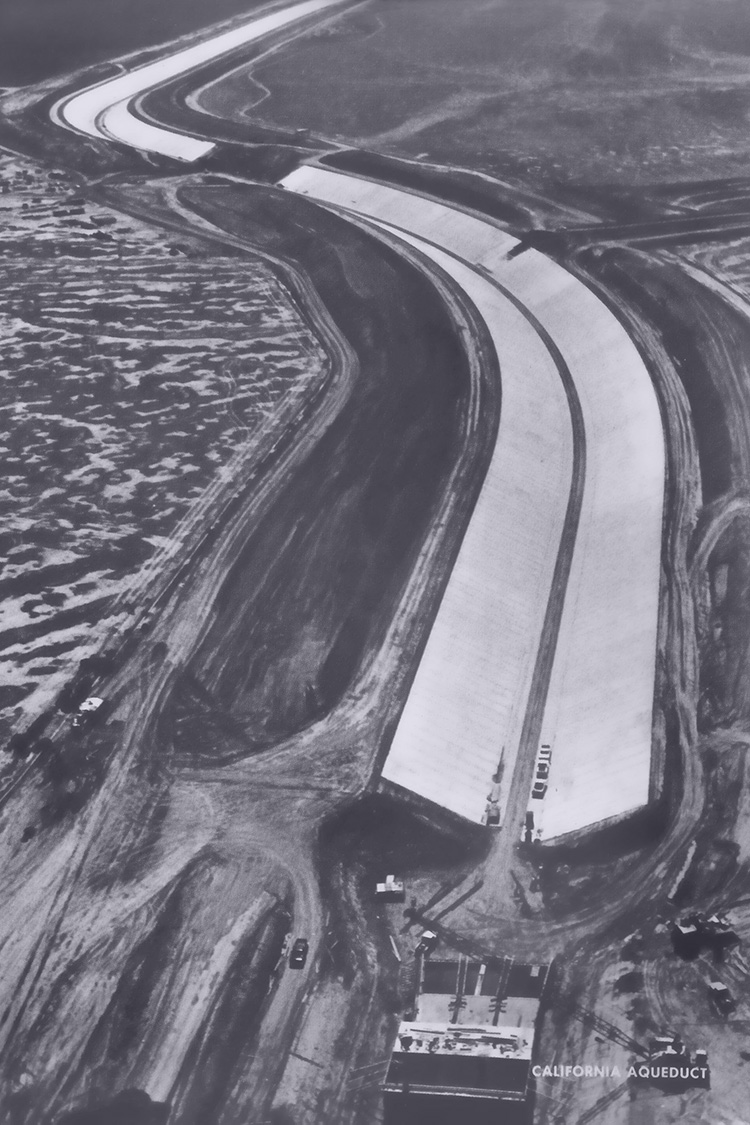
Around this time a 16-year-old named John Steinbeck earned $2.75 per day working on the company’s Cauliflower Boulevard project. It’s believed that Steinbeck’s character Lenny in Of Mice and Men was based on a fellow worker whom Steinbeck met on a road gang. Later the famed American writer would go on to write poetic passages about roads. In The Grapes of Wrath, he wrote about US Route 66’s being “the Mother Road,” leading destitute farmers to California—the land of milk and honey. In The Wayward Bus, he wrote about California’s highways, and for Travels with Charlie he drove around the entire country with his dog, Charlie, chronicling the dawning of the interstate system, much of its western portions built by Granite Construction.
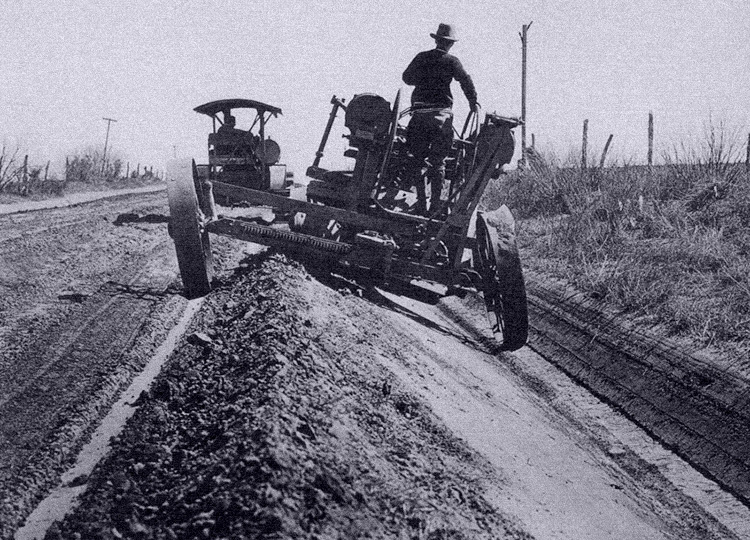
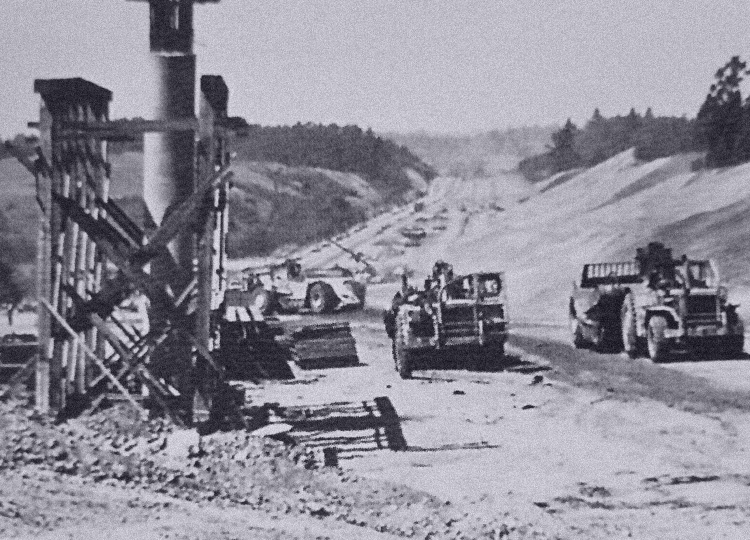
Granite Rock Company was in the right place at the right time. Prior to World War I, California was leading the nation with “get out of the mud” acts passed by the California State Legislature. These progressive improvement projects set in motion a program of road paving, sidewalk building, and neighborhood subdividing. America’s post–World War I building boom was kicking Granite Rock into a full-fledged construction concern.
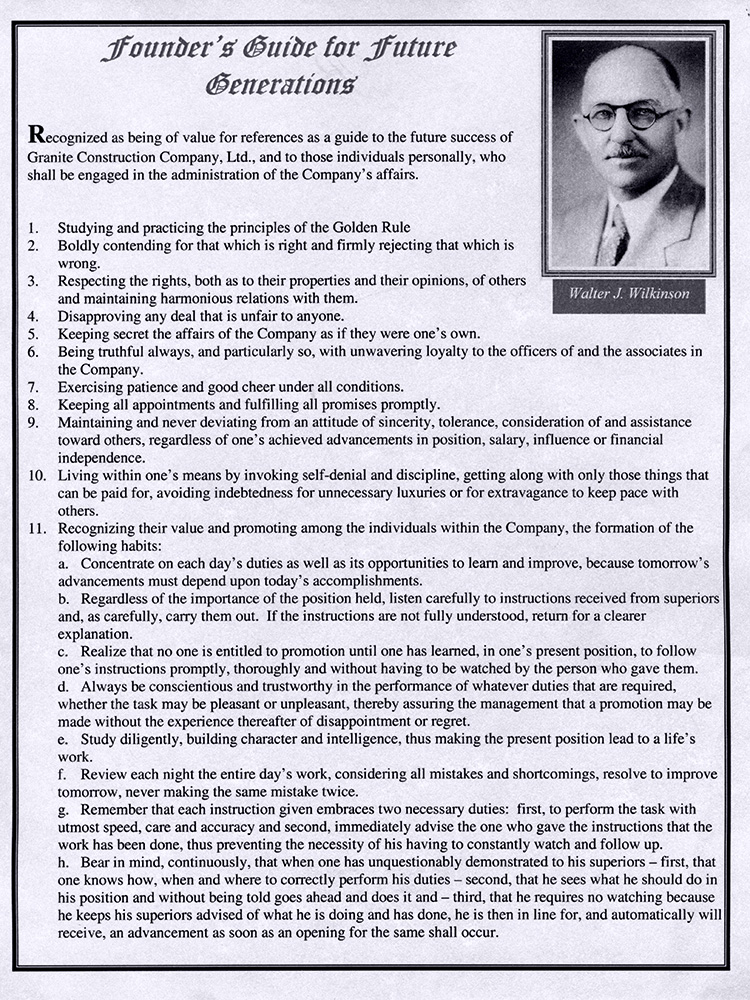
Walter J. Wilkinson, aka Pop, joined Granite Rock a year after the company’s founding. Wilkinson had been an engineer for Southern Pacific Railroad, making him suited for his job as the superintendent of construction. Those who worked with him during his Granite years say he was a visionary. His cost estimates were detailed, including hay for the horses, and his time estimates were usually right on the money. Consequently, he became a trusted employee who was given the ultimate vote of confidence: a chance to start a new firm.
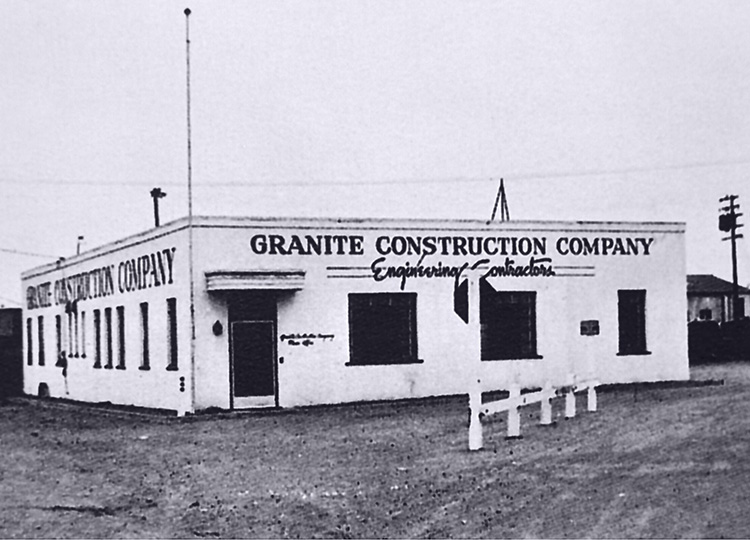
Business was strong, so Granite Rock’s owners decided to move its construction arm into a wholly owned subsidiary. Pop Wilkinson was tapped to head up the independent venture, simply named Granite Construction Company. Upon leaving Granite Rock, Pop wrote, “Gentleman: I hereby resign from the position of manager of your contracting department and from all connection with your company as an employee to take effect on January 1, 1922.”
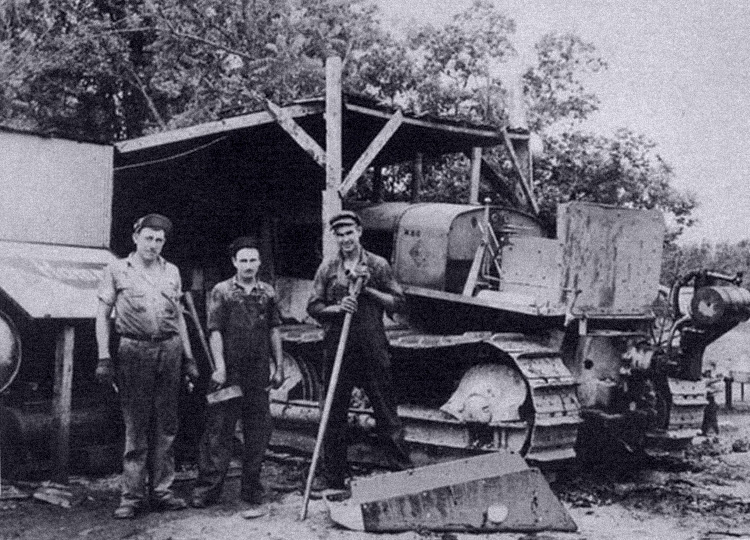
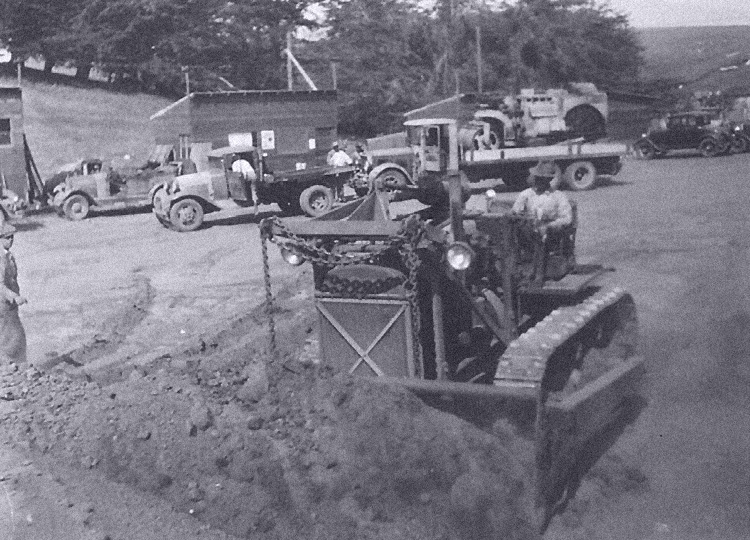
The formality of Pop’s letter was aimed at establishing a clear separation. Arthur Wilson, Pop’s boss at the new subsidiary, bought all of the contracting equipment from Granite Rock for the sum of $29,180.39. For that Granite Construction Company received a caterpillar paver and many gallons of linseed oil. The company set up shop in a tool shed at Logan Quarry.
The 1920s were roaring. It was the dawn of the golden age of road building in America. The end of the decade, however, delivered a triple whammy to Granite Construction—so fierce a series of blows that the infant firm was nearly wiped out.