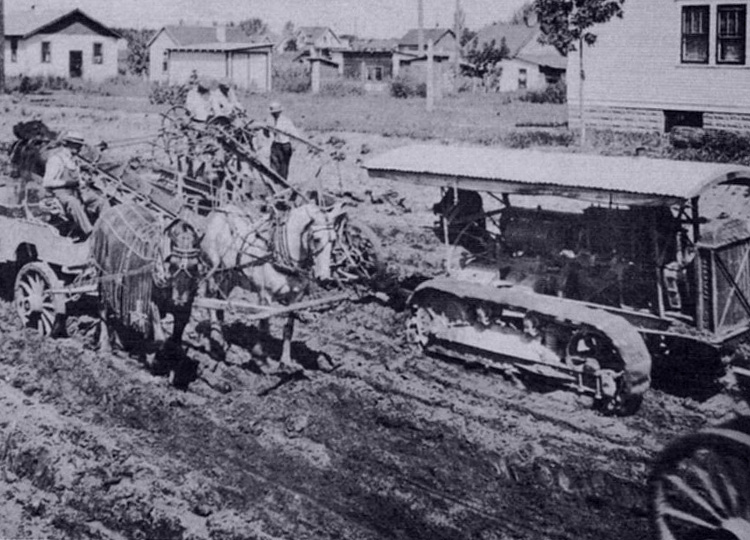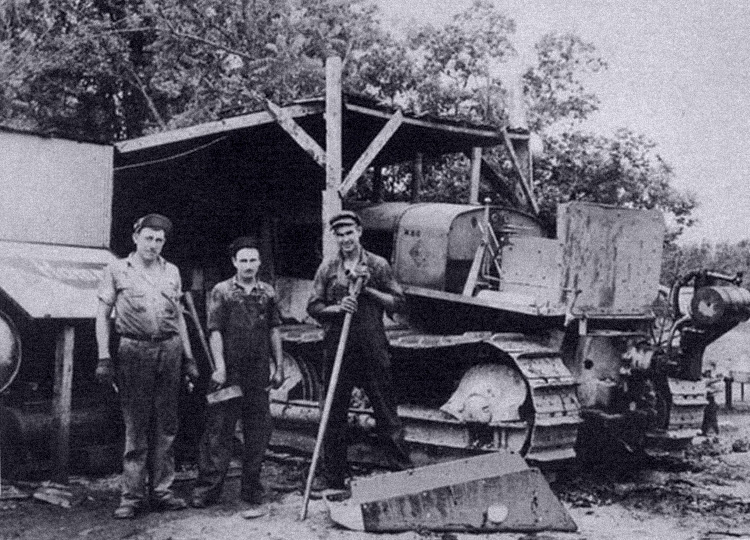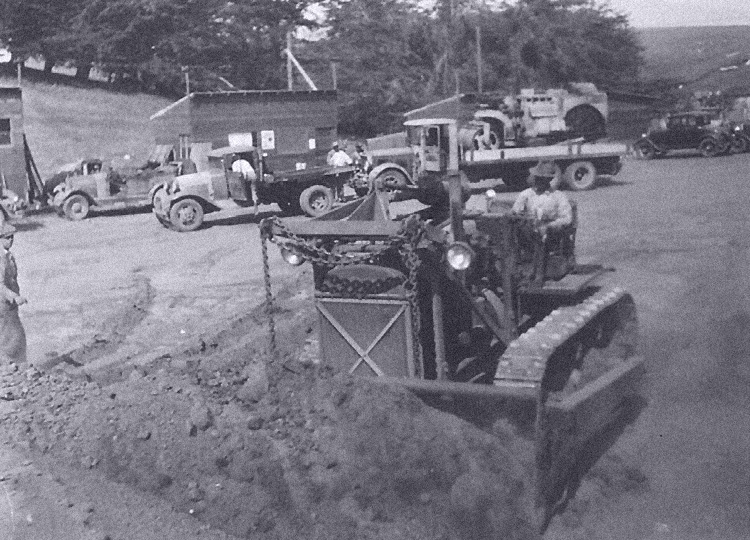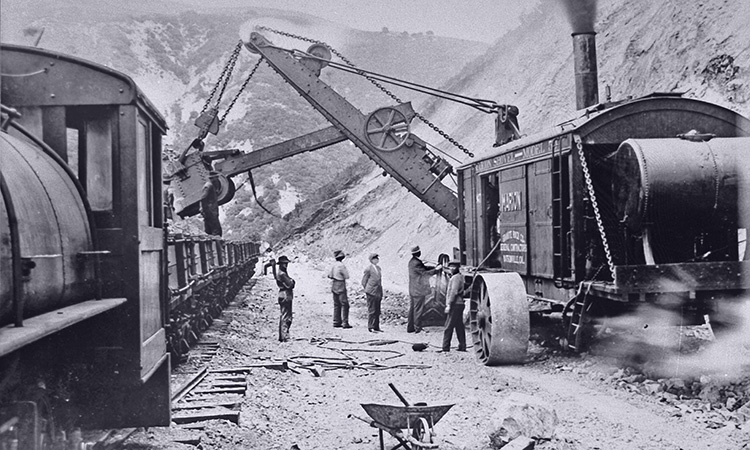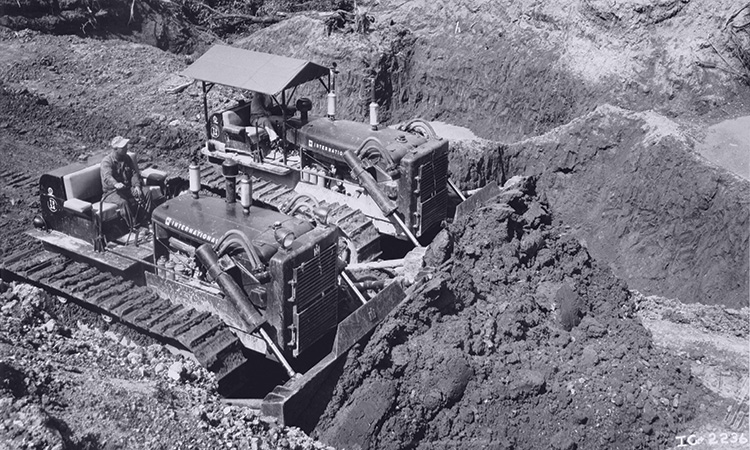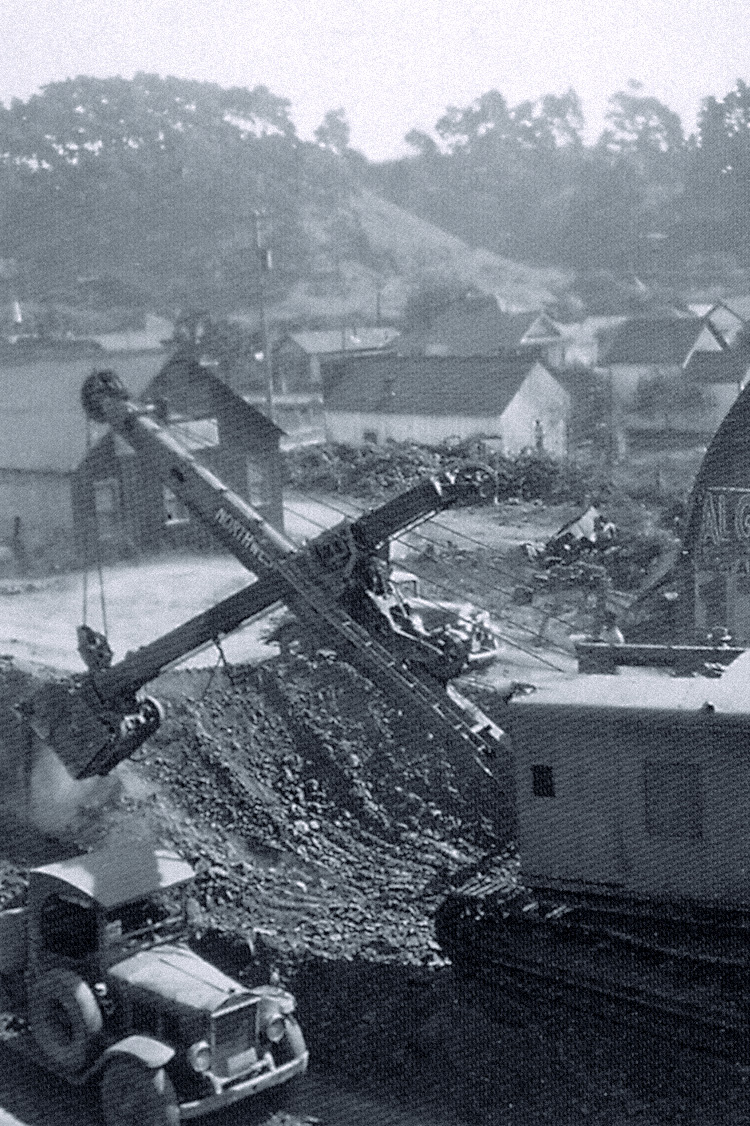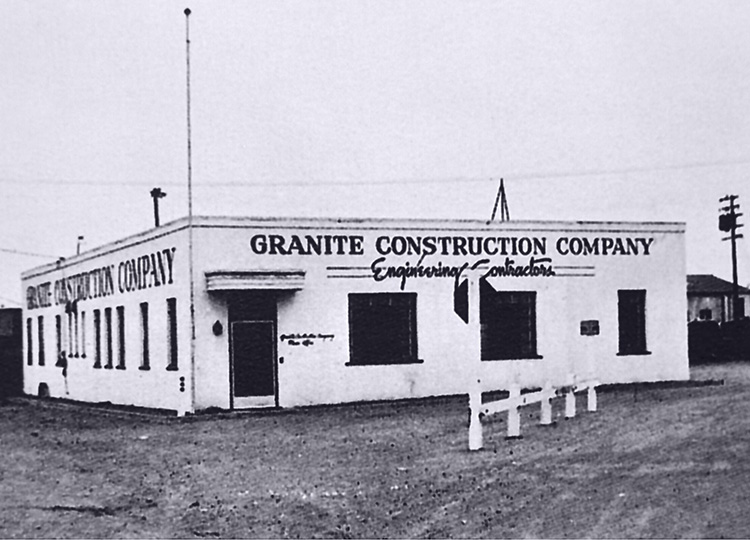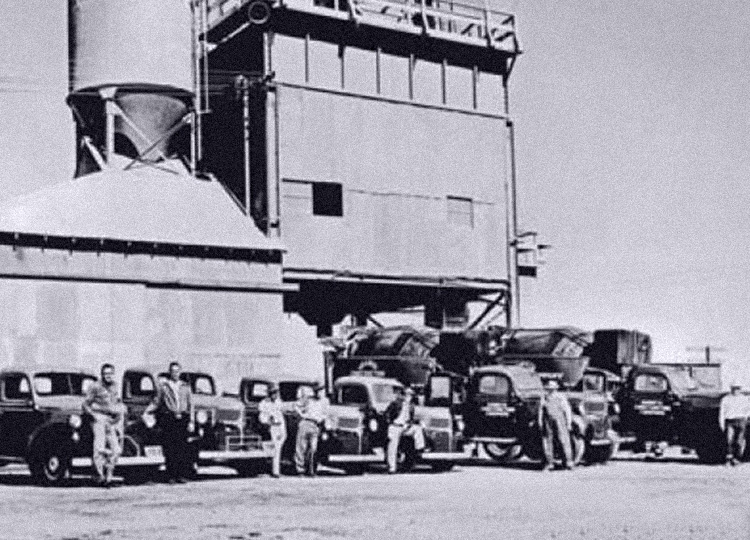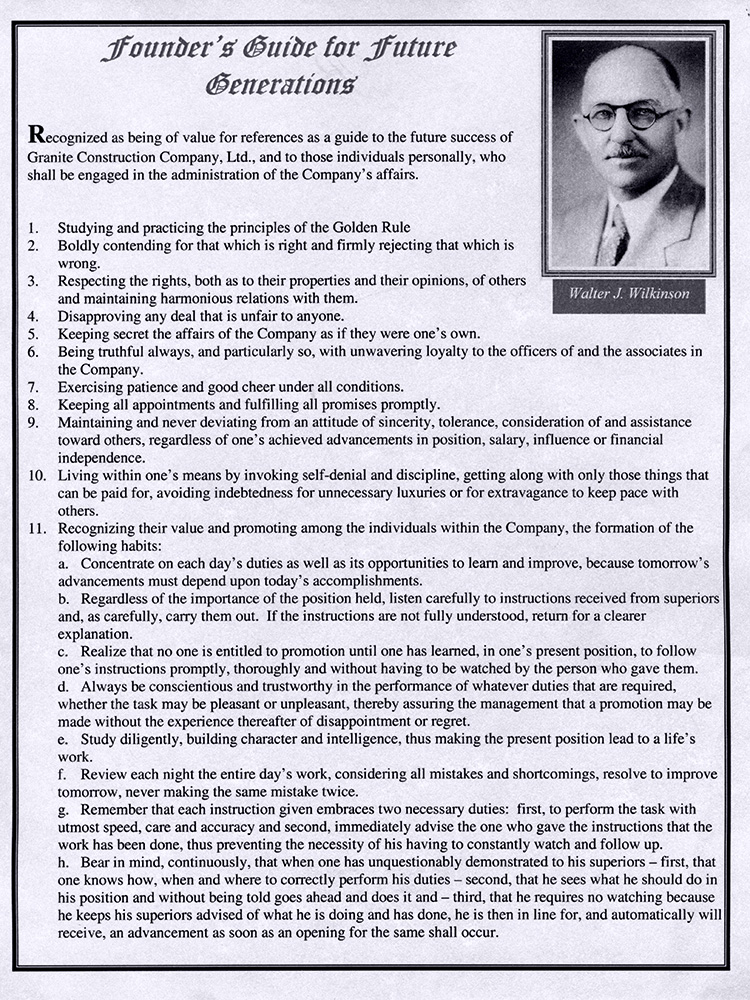
Granite Construction’s roots are traceable to California construction license No. 89—one of the first 100 licenses issued on October 1, 1929.

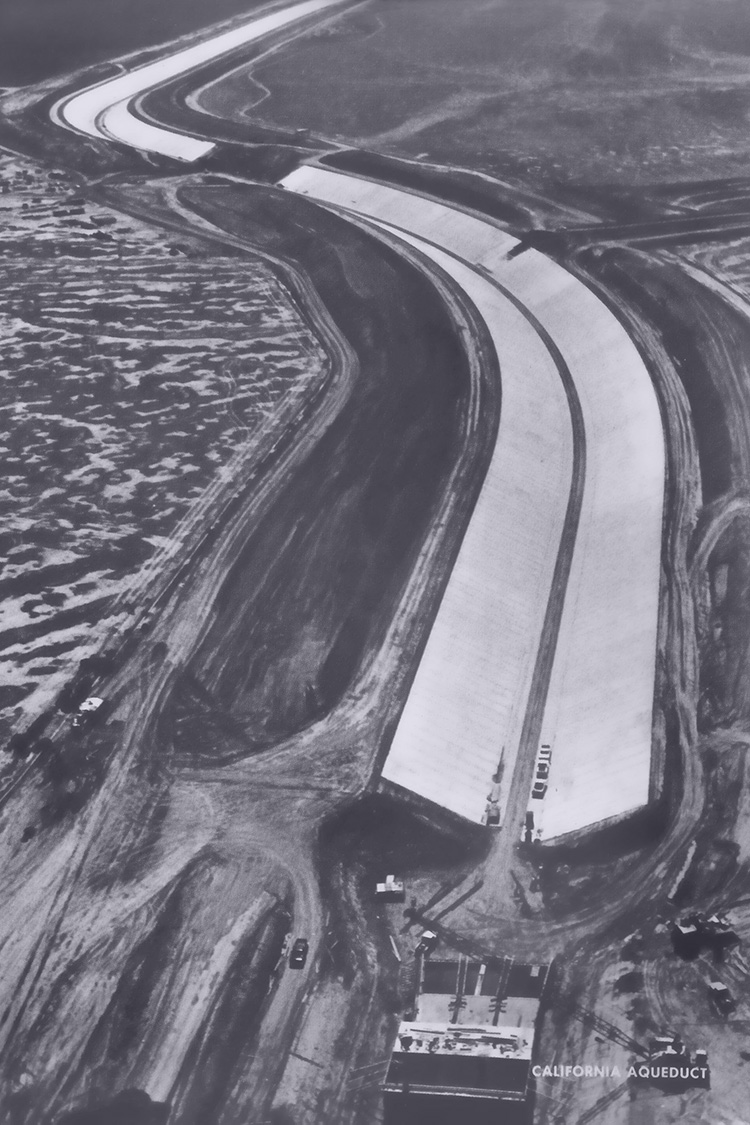
Granite crews built nearly a quarter of the 444-mile long California Aqueduct otherwise known as the "Grand Canal."

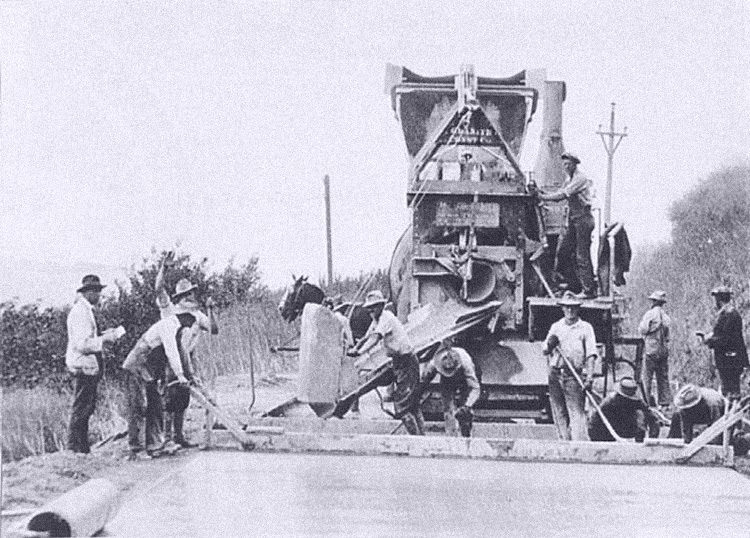
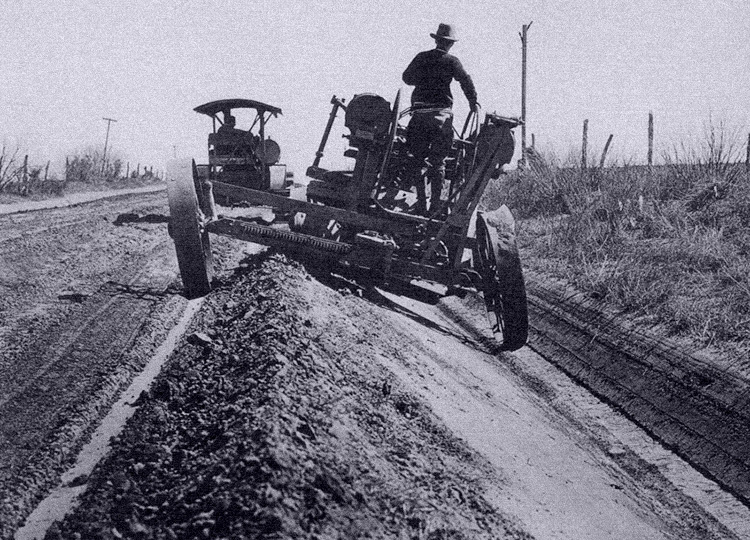
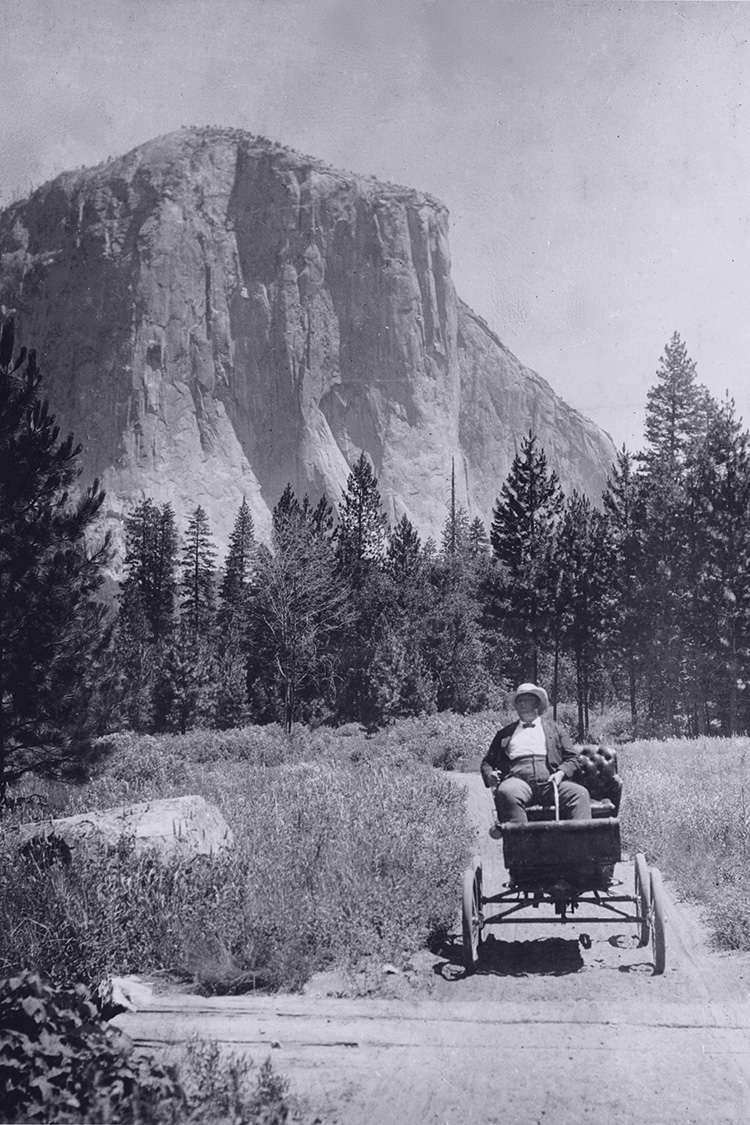
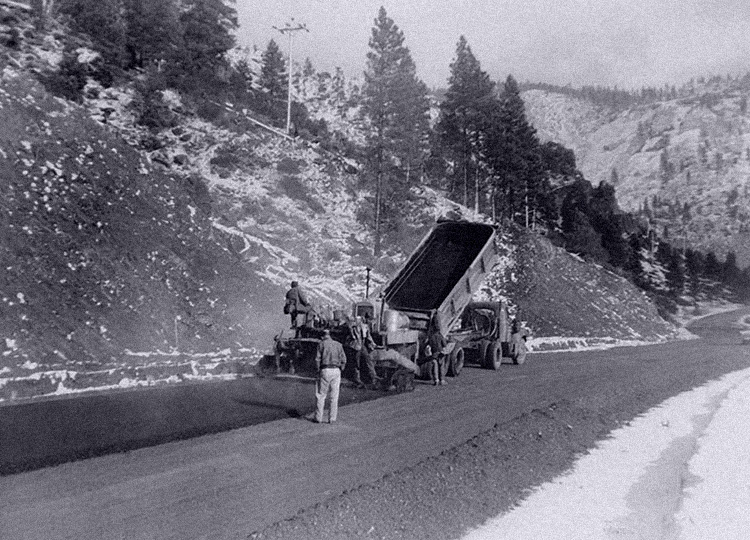
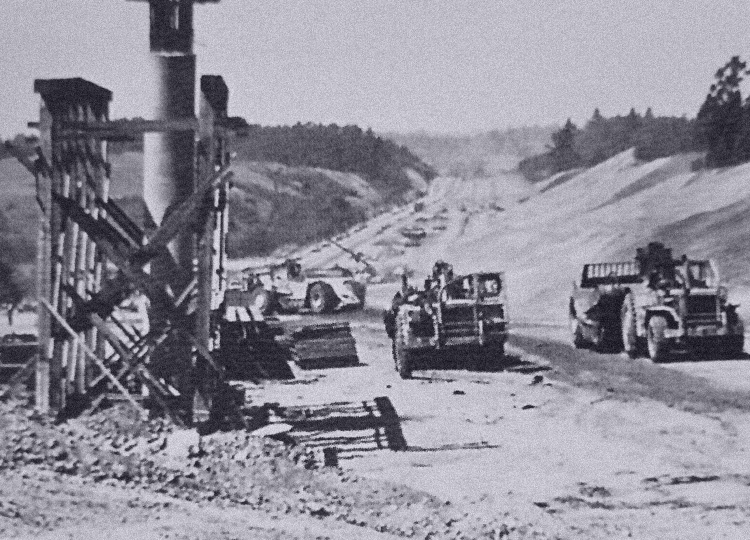
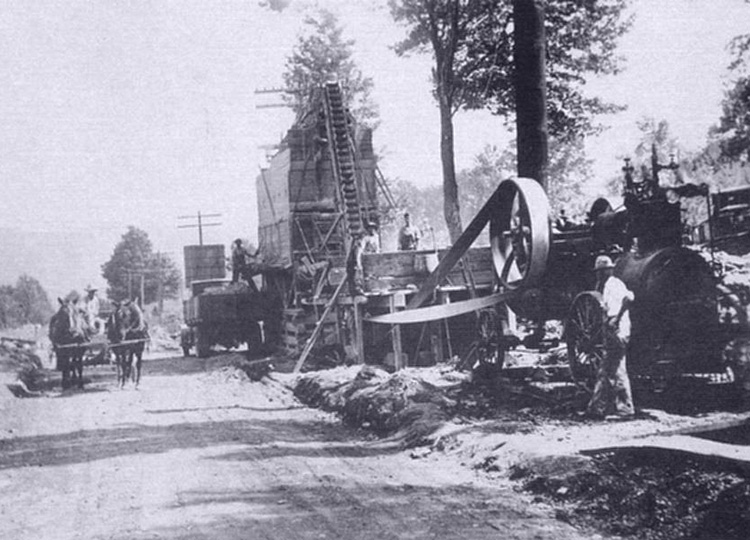
In the 1920s and 30s, Granite crews worked on the legendary Route 66 through the Mojave Desert and built some of the first roads into Yosemite National Park.

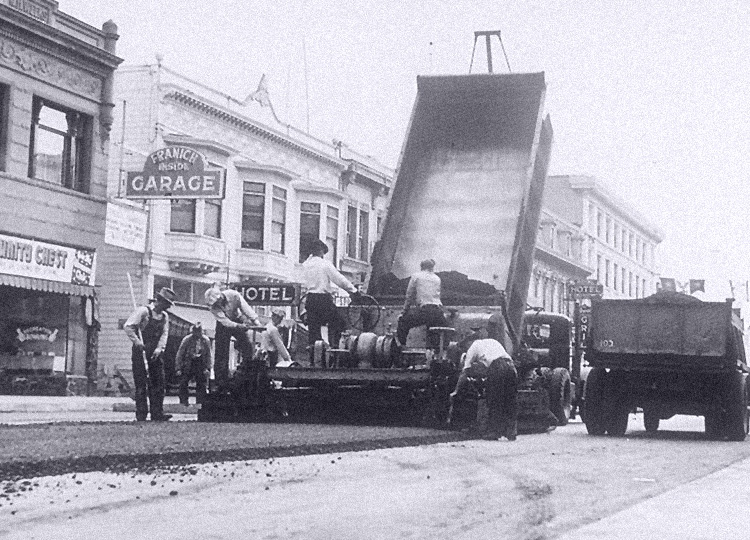
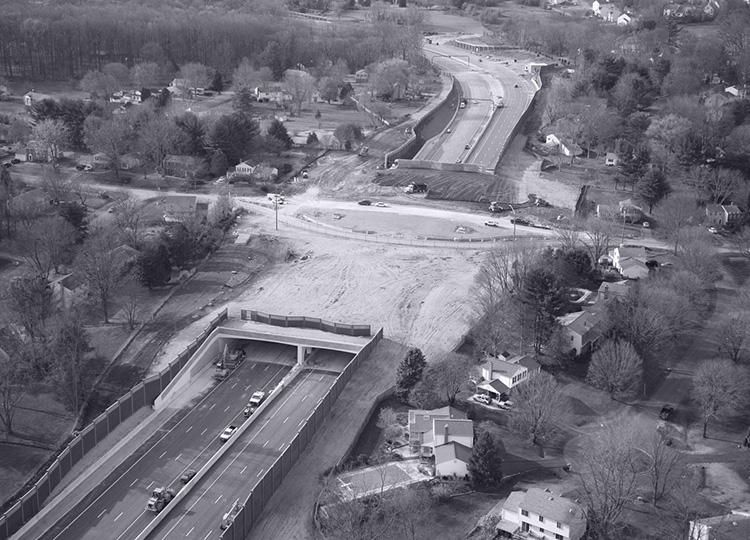
Following World War II, Granite was the beneficiary of the country’s love affair with automobiles, including paving the first streets in its hometown of Watsonville, California.

Coast to Coast

“A rising tide lifts all boats,” prophesied President John F. Kennedy while delivering a speech in Colorado. The 1963 presidential groundbreaking of a water diversion project included five dams, eight mountain tunnels, and a series of power plants.


The infrastructure spawned economic prosperity in the ensuing decades for the Centennial State. Meanwhile in California, Granite was preparing to expand its reach from coast to coast by building dams, power plants, subway stations, and one-quarter of the California Aqueduct in its part to contribute to the nation’s “rising tide.”


As the country prospered in the boom years of the 1950s, 1960s, and 1970s so too did Granite. Bigger projects meant greater risks, heavier equipment, and larger crews. It was a heady time that forged legendary leaders at Granite, who built on the western firm’s reputation while expanding eastward onto the national stage.


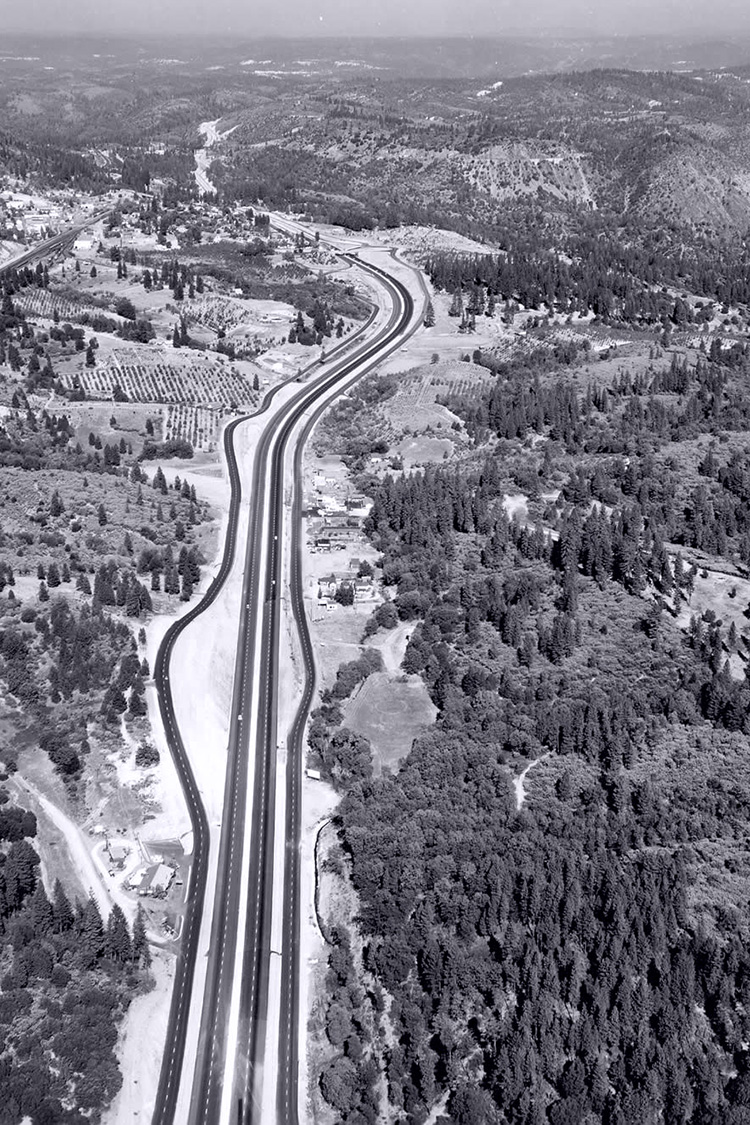
In 1965, while Granite’s veteran highway engineering department was working on highway safety improvements to the infamous Donner Pass in the northern Sierra Nevada range, another Granite Construction team was wading into new territory: dams.


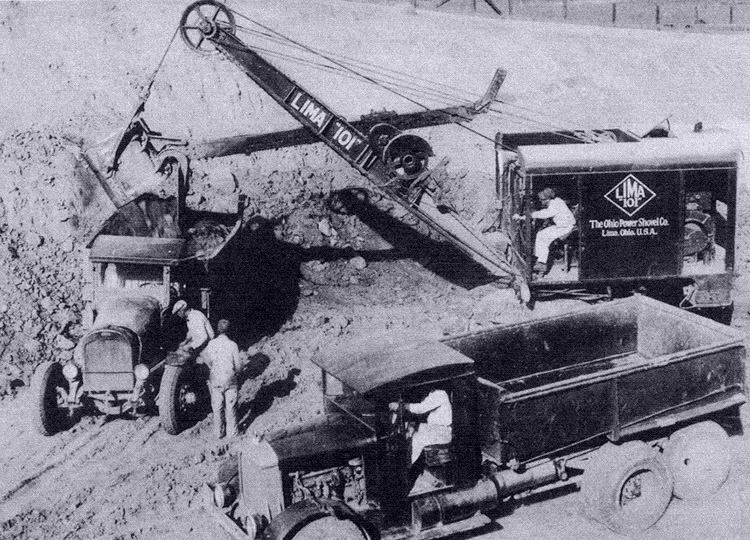
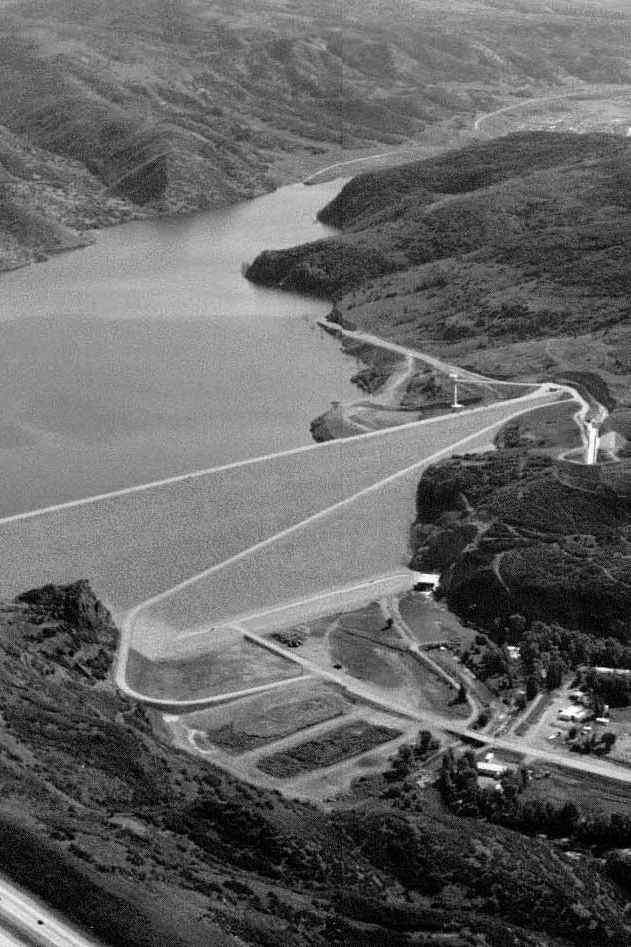
The Scotts Flat Dam was a straightforward undertaking: building up the small dam’s earthen embankment to improve the aqua-dynamics of the reservoir. In classic Granite style, the second undertaking was far more ambitious. Granite’s crews moved on to the Rollins Dam, which marked one of Granite’s most formidable ventures at the time: building a 242-foot-high earth-and-rock dam.

The two dam projects brought Granite $1.5 million in profits. Jack Wilkinson, Granite’s co-owner at the time, recalled that the work thrust the company into the “big leagues.”


Another Granite manger from that era reflected on his early work: “I like dam projects. You do almost everything, from mass earth moving to sweeping up the foundation in dust pans.”


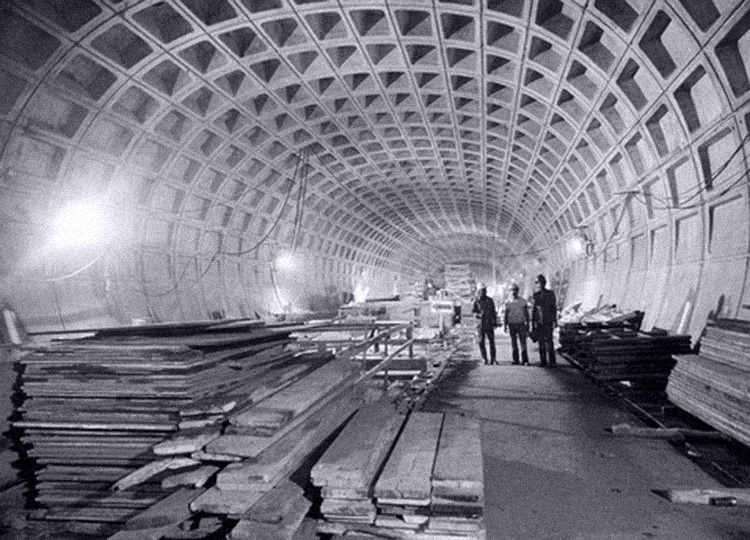
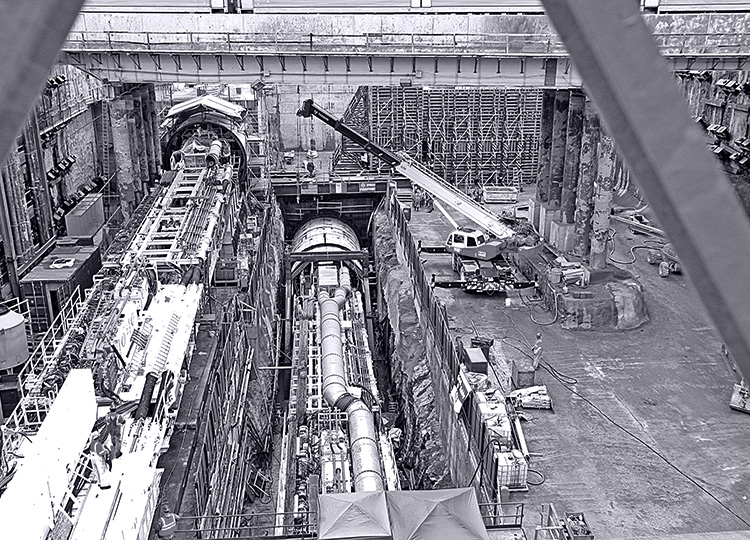
In the 1970s Granite was an accomplished “beaver” aboveground. Looking for new conquests, the firm made like a mole and went underground. In the 1960s the San Francisco Bay Area approved the construction of a subway system. Within a decade stations were being planned and built. In 1972 Granite delivered the Powell Street Station beneath the system’s hub at Market Street.


Granite planted its first flag in the East with the Washington Metro Area Transit Authority’s mega project. Upon putting the company’s colors in the capital city’s terra firma, Granite managers realized that they were playing in a different kind of dirt. “It frightened a lot of us because the quality of the ground and other job conditions were far less than expected,” recalled a Granite project manager, adding, “We worked our way through it.”


Granite bit off a big chunk in the nation’s capital by taking on the construction of seven stations of which five were due to be operational between 1976 and 1978. The project was rife with challenges. Looming was the Dupont Circle Station. Construction, just city blocks from the White House, required tunneling beneath an existing highway tunnel and an abandoned streetcar tunnel and installing a nearly 200-foot escalator.


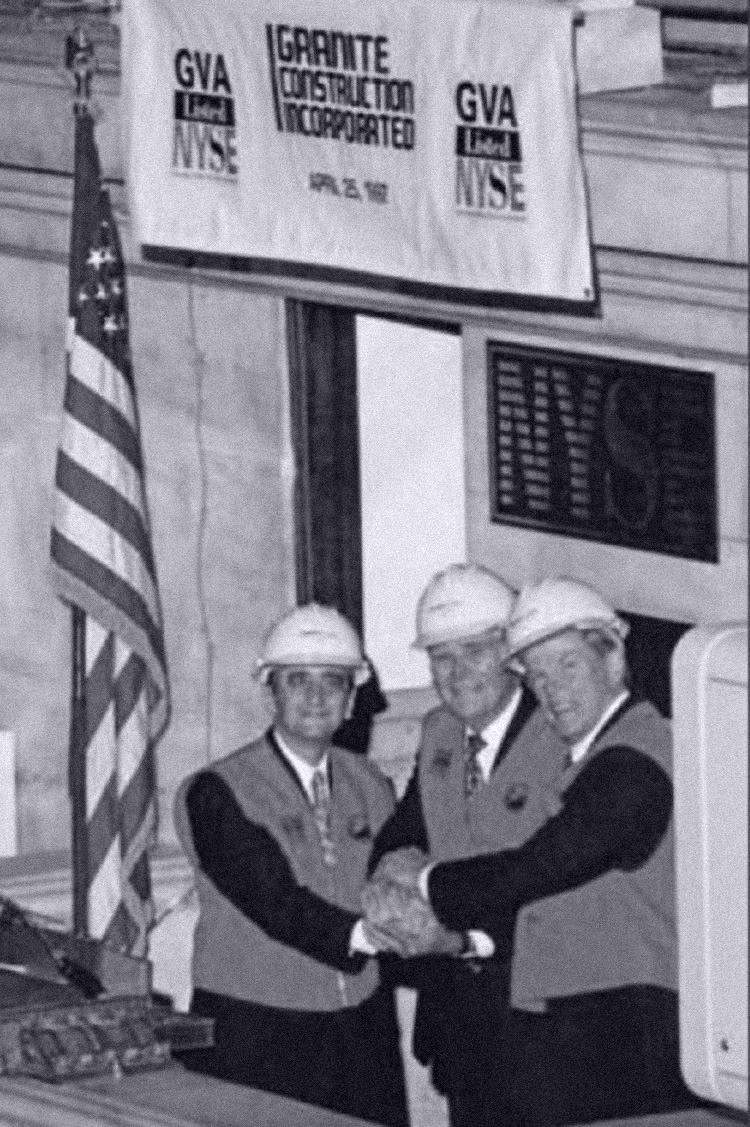
Thinking bigger—and allowing members of Granite’s teams to soar—remains ingrained in the Granite culture. Today a publicly traded company, Granite continues its quest to be the best. Granite Construction was one of the first contractors to be licensed in California. Its construction license is No. 89. Of the first 100 licenses issued—all of which bore the same October 1, 1929, date—96 percent are no longer in existence. Granite perseveres because of its people, their collective moral compass, and the innovative culture they’ve created. Granite is committed to its chosen family of like-minded professionals.


“The magic of our culture has been passed on from generation to generation,” says Chief Executive Officer Jim Roberts. “As the generations go on, Granite becomes stronger. We invest heavily in people because they are our greatest strength. They are what make Granite great. Our people are what make our future bright.”


Leadership

"We are being decisive in the actions we take to address today's challenges and proactive in our approach to positioning Granite for future growth." 

Jim Roberts
President & CEO

Question/Comment?

Contact Us