
Core Values
The Code of Conduct consists of two sections: Core Values, and Compliance Program and Guidelines. Our Core Values are part of our heritage and are fundamental to who we are as an organization. These Core Values are the basis for our decision-making. The Compliance Program and Guidelines address some specific areas of concern, either due to the Company emphasis or legal requirements.
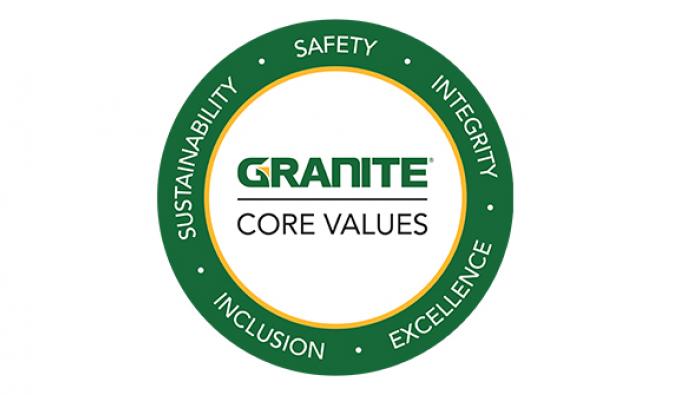
Our five core values are the cornerstone of our Code of Conduct: how we treat one another, operate with safety and integrity, provide value to our stakeholders, and incorporate sustainability into all that we do to make a difference in our communities and the world.

The safety and well-being of our people, our partners, and the public is our greatest responsibility. Every level of our organization is engaged in our safety culture.

We operate with integrity and the highest ethical standards. We know and do what is right, and we are expected to speak up when something is not right.

We strive for a high-performance culture of continuous improvement, innovation, and quality in all aspects of our work. We always perform and deliver our work the right way for our stakeholders.

We value and respect a workforce diverse in perspective, experience, knowledge, and culture. We are committed to an inclusive environment in which everyone feels a sense of belonging and can grow.

Together we build a better future by integrating values of social responsibility, environmental stewardship, and dependable governance to deliver enduring economic value.


"Boldly contending for that which is right and firmly rejecting that which is wrong."
- WALTER J. "POP" WILKINSON
RESOURCES
Corporate Headquarters: (831) 724-1011
Compliance Helpline: (800) 211-4226
Compliance Alertline Program: www.granite.alertline.com
On June 4, 2026, the Board of Directors amended and restated Granite's code of conduct. The amended and restated code of conduct revises Granite's policy with respect to (1) the ownership of publicly traded competitors and (2) relationships between related parties (as defined in the code of conduct)
