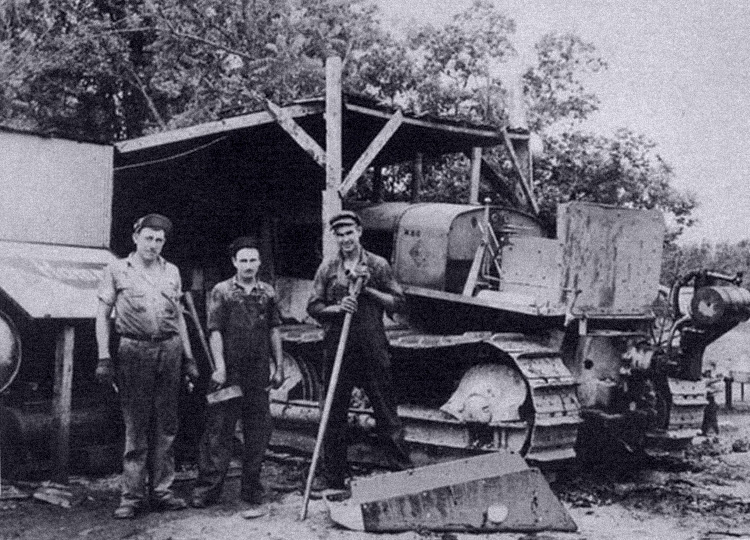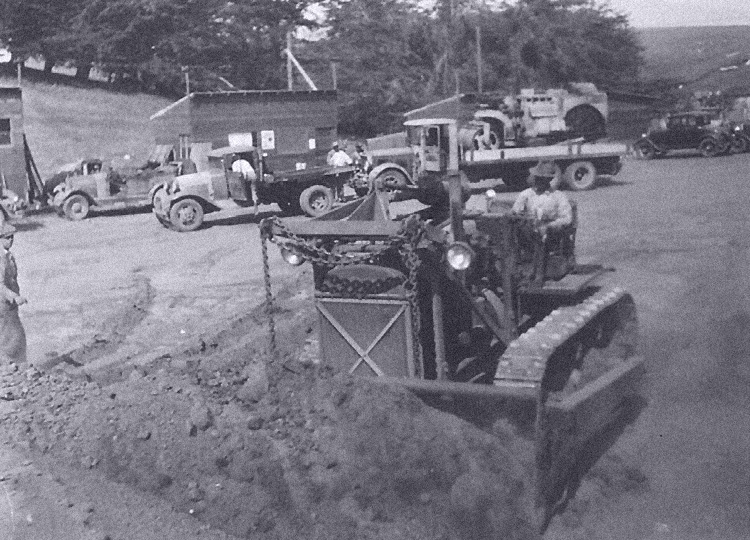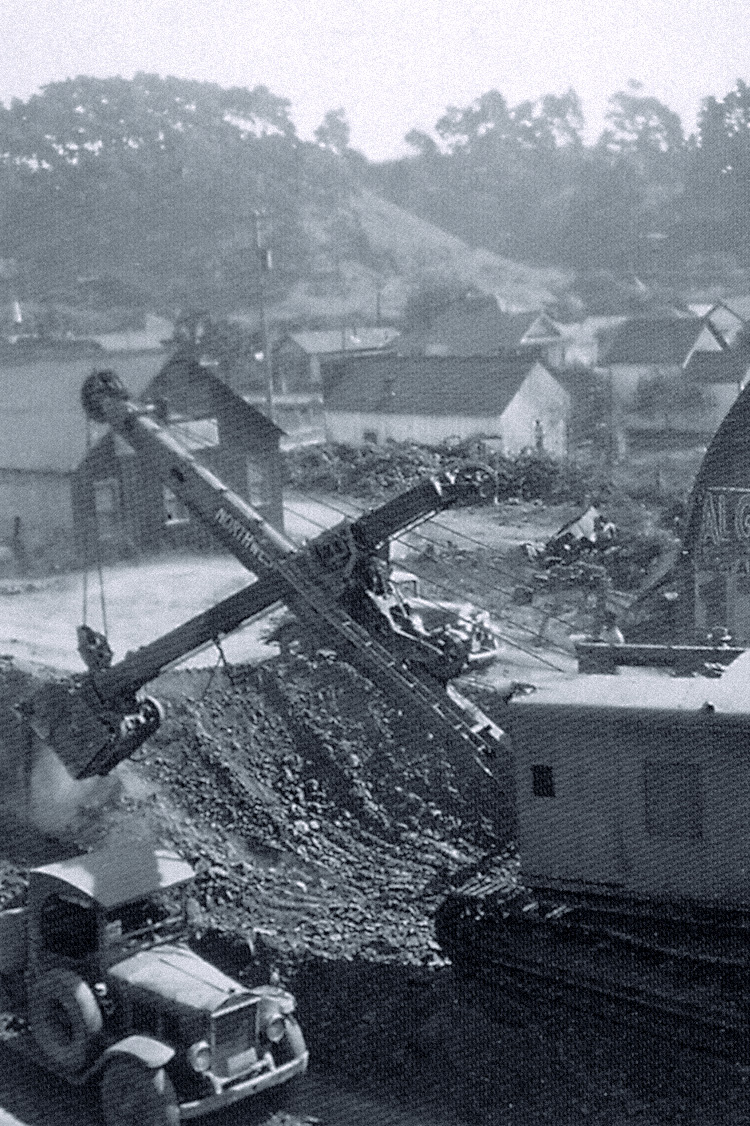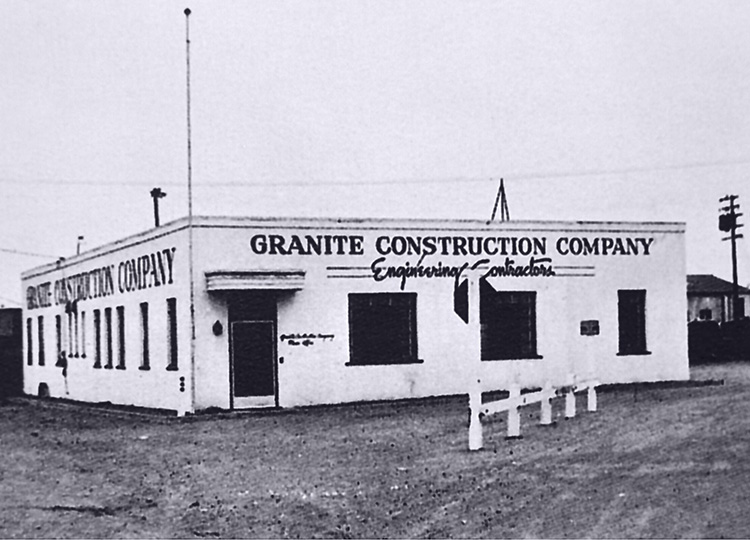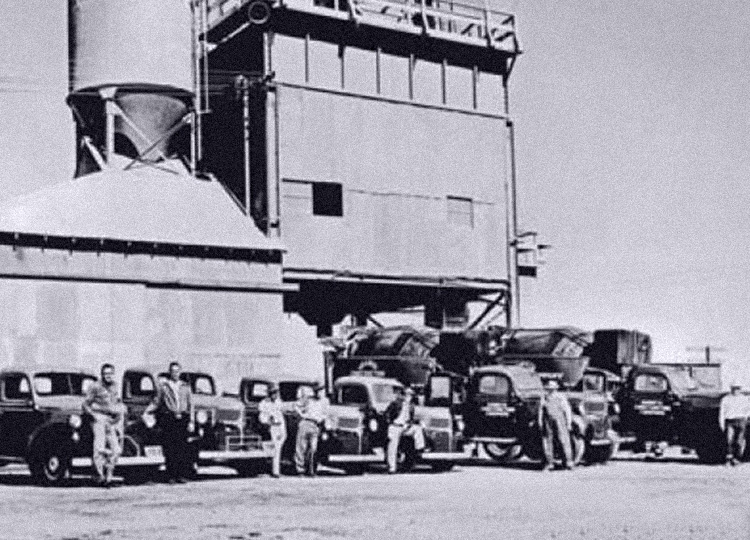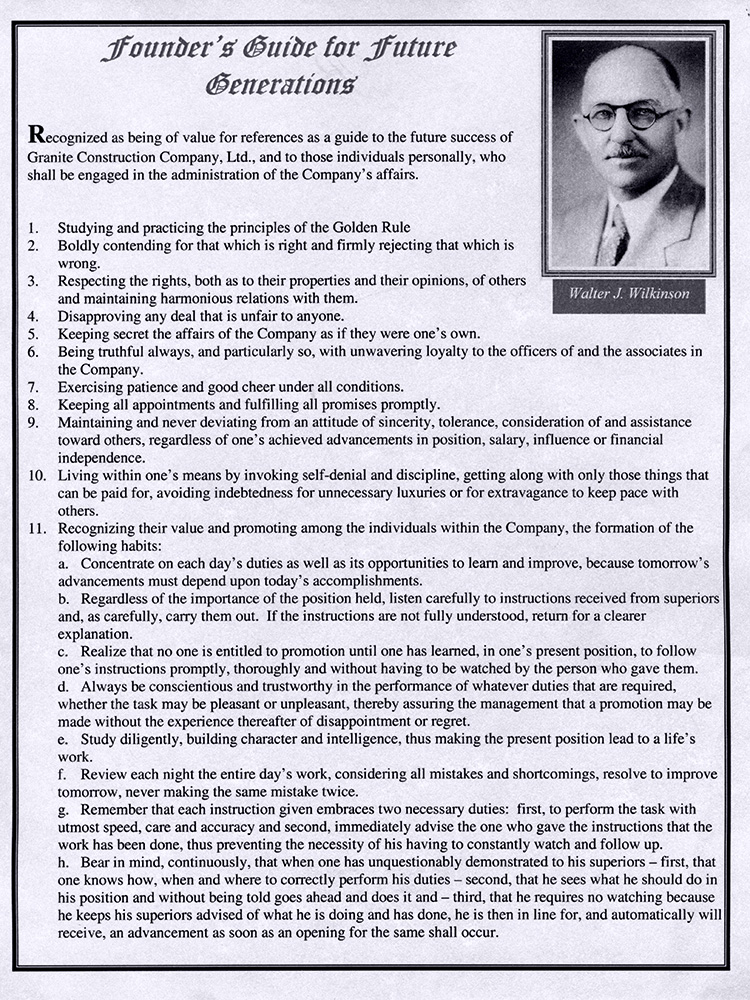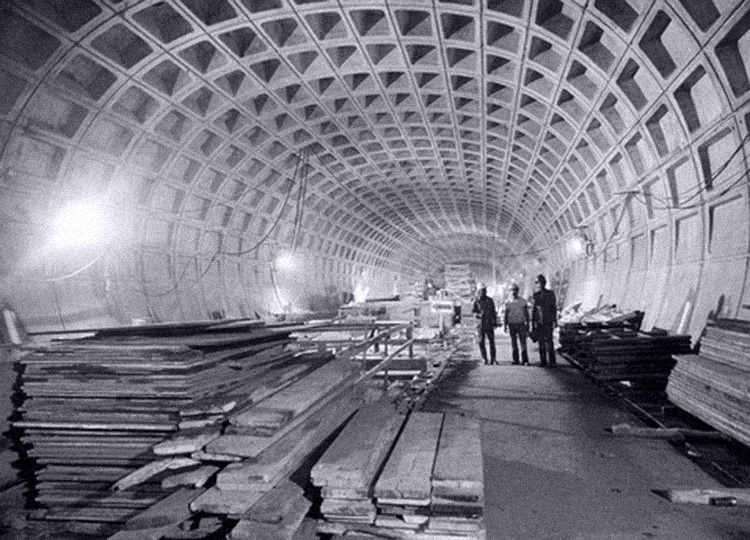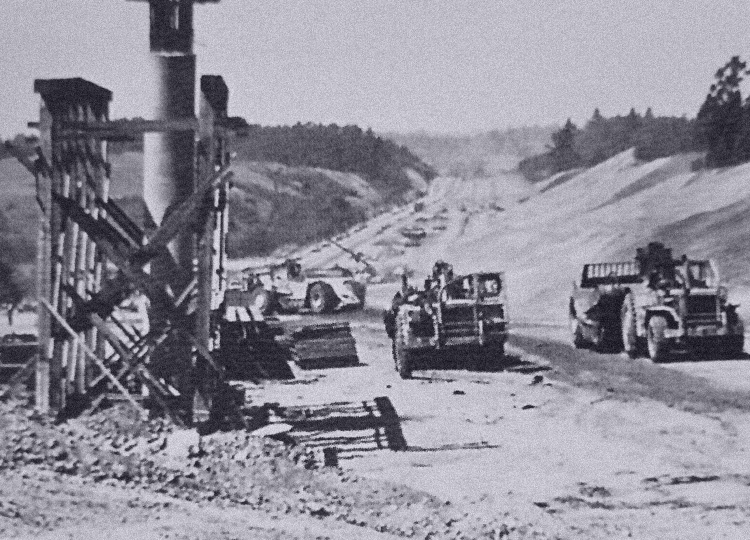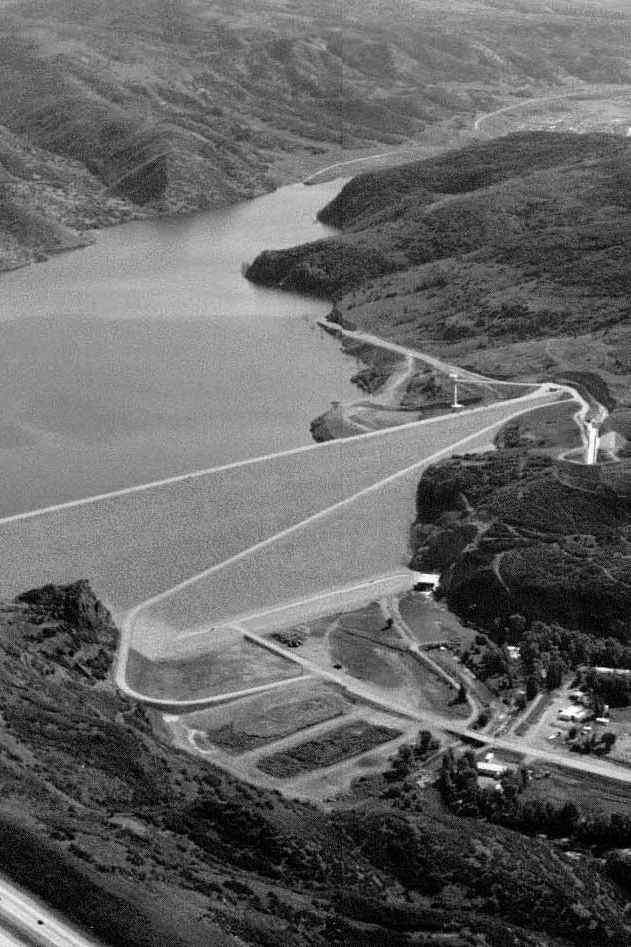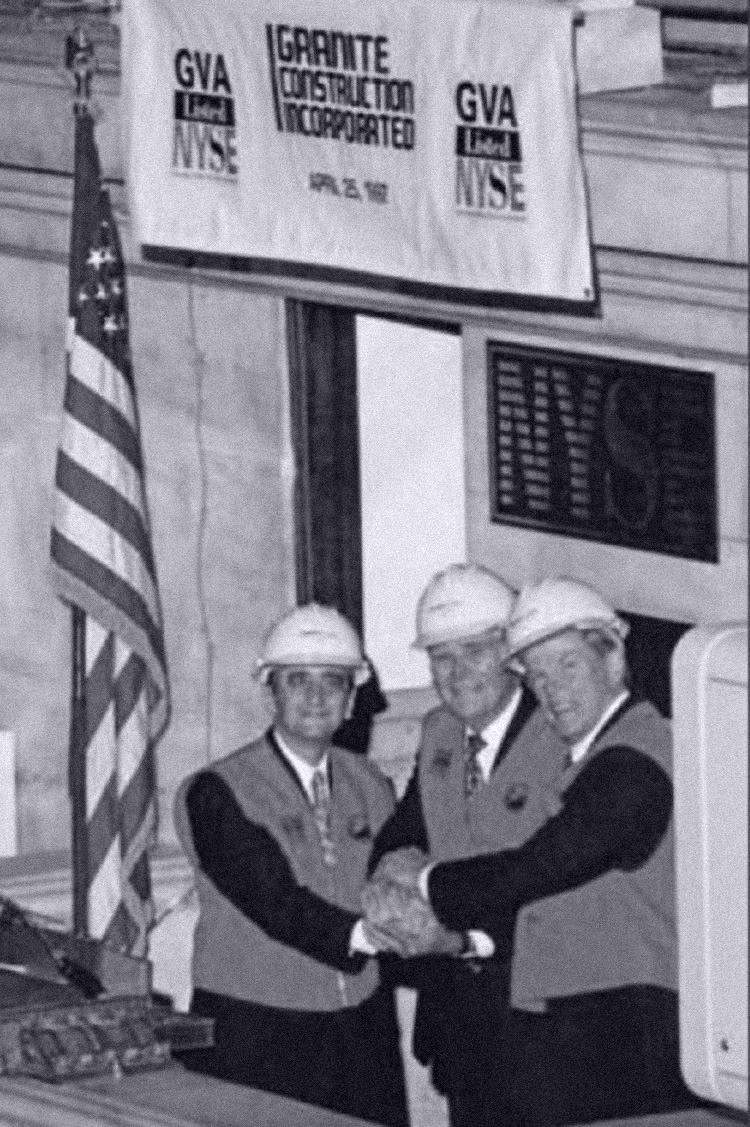
Granite Construction’s roots are traceable to California construction license No. 89—one of the first 100 licenses issued on October 1, 1929.

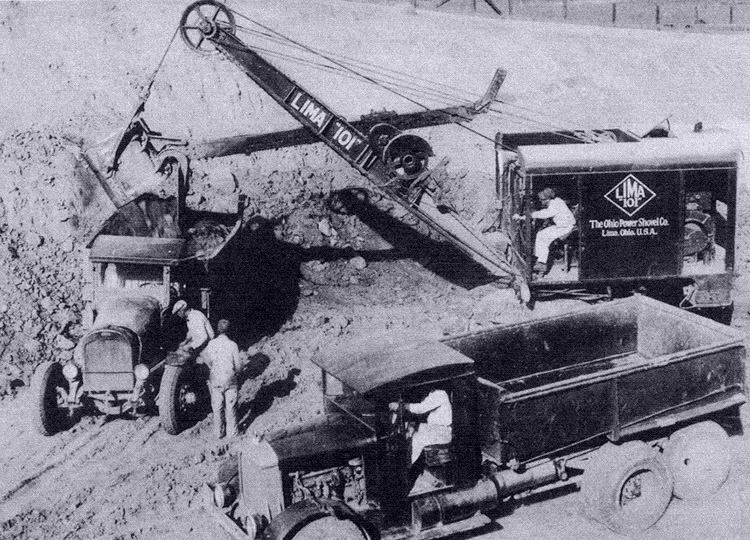
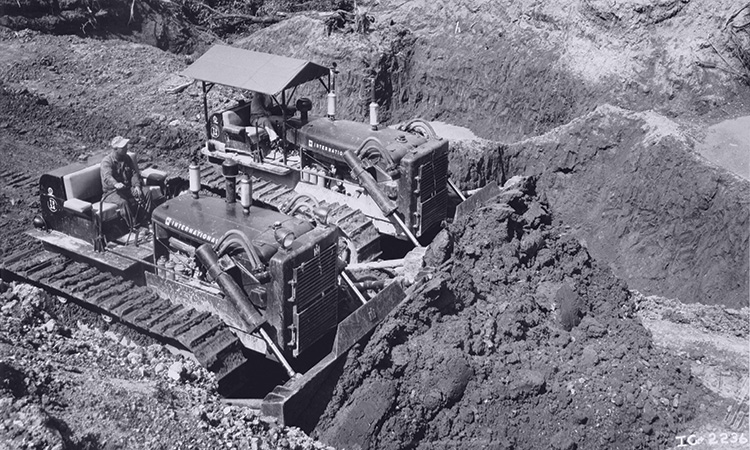
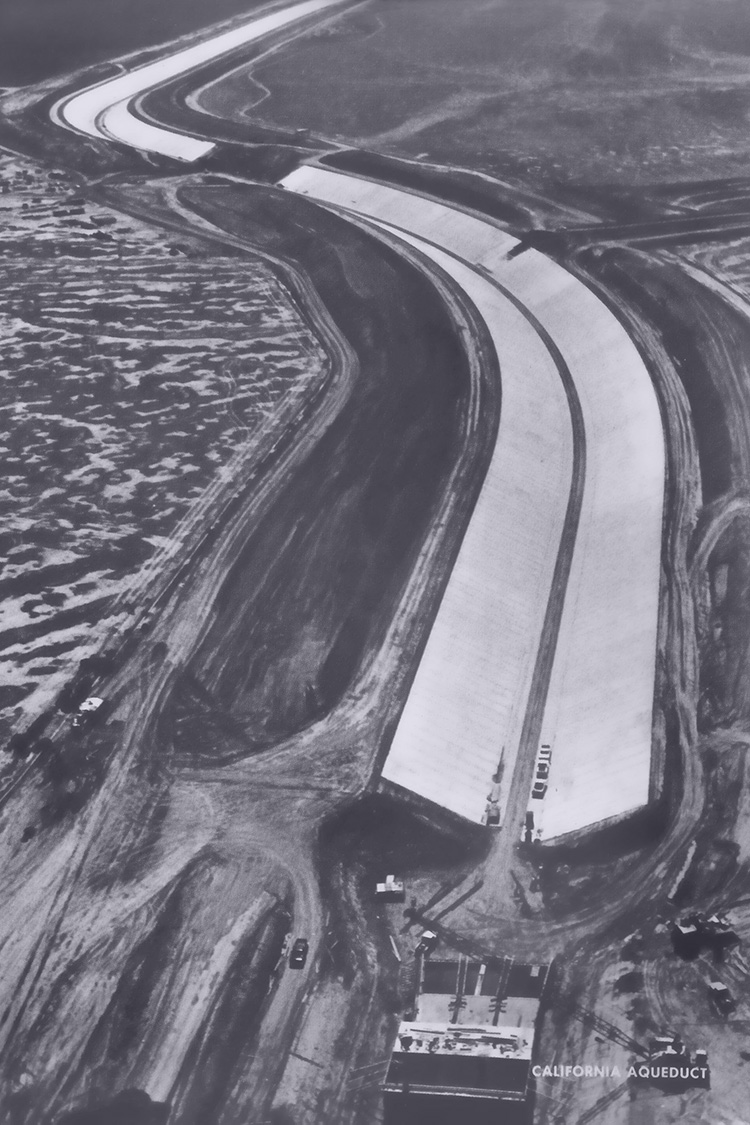
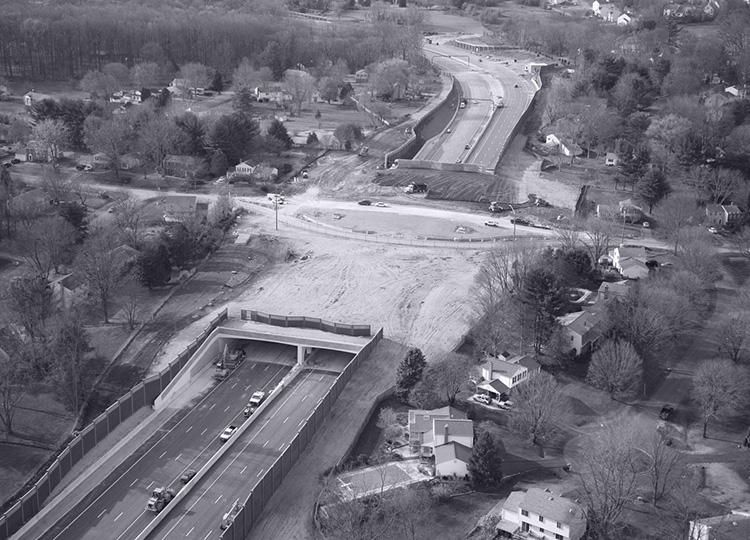
Granite crews built nearly a quarter of the 444-mile long California Aqueduct otherwise known as the "Grand Canal."

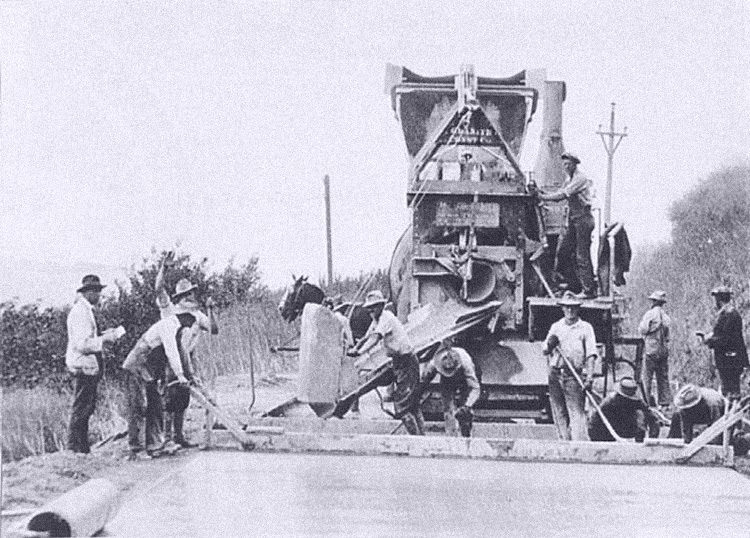
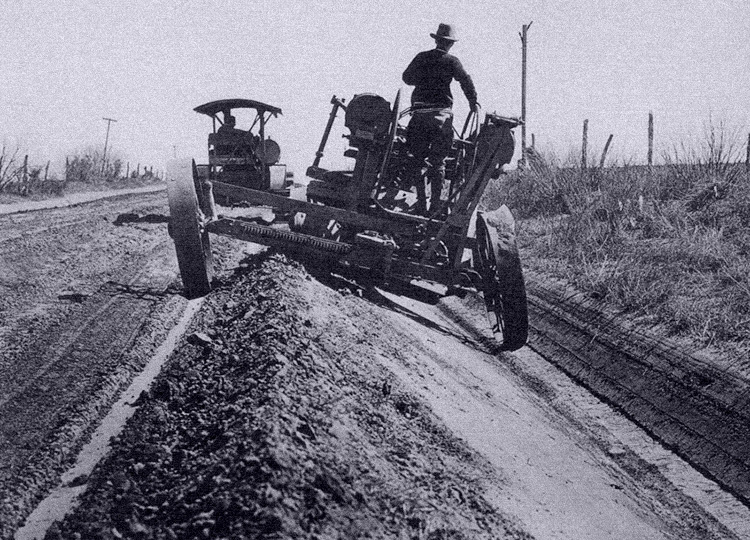
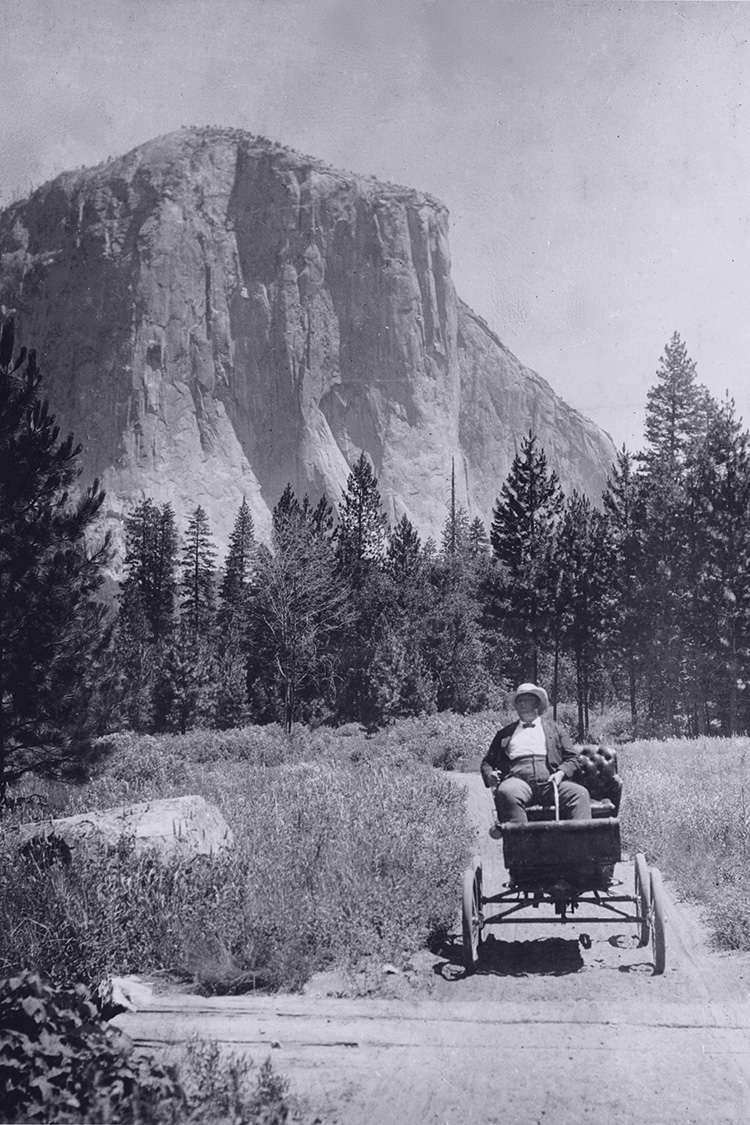
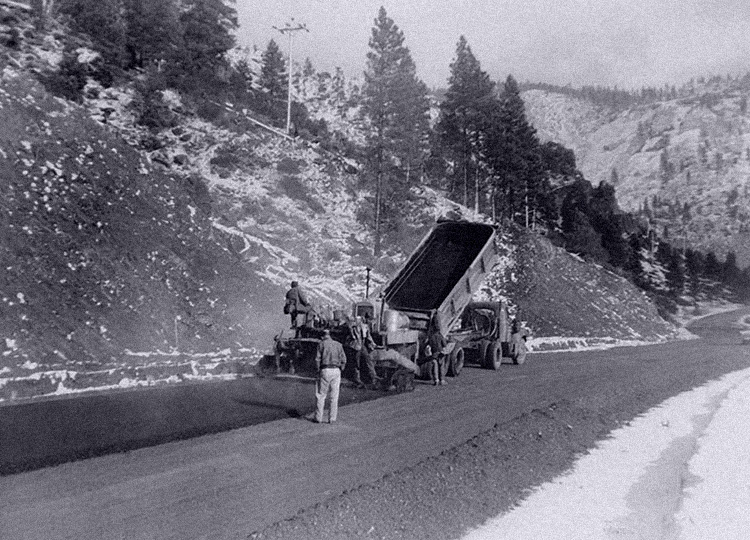
In the 1920s and 30s, Granite crews worked on the legendary Route 66 through the Mojave Desert and built some of the first roads into Yosemite National Park.

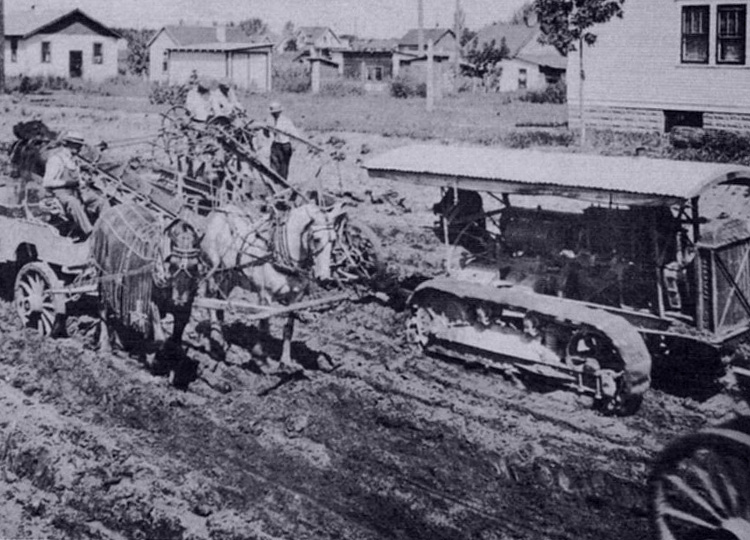
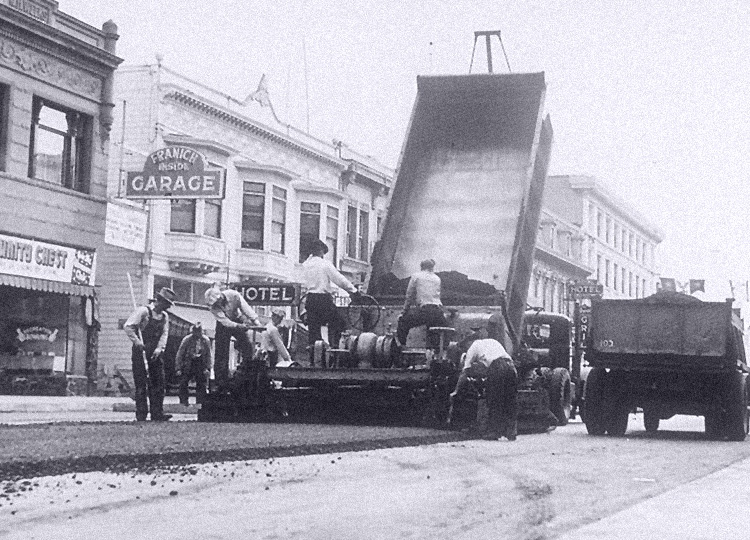
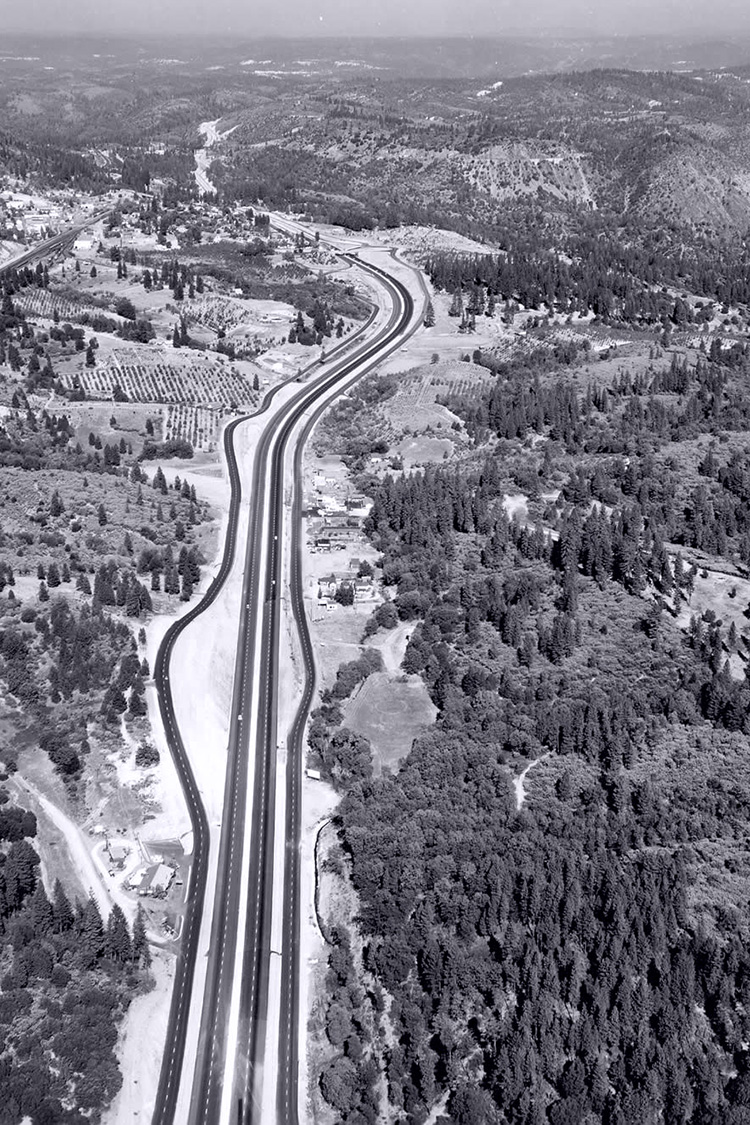
Following World War II, Granite was the beneficiary of the country’s love affair with automobiles, including paving the first streets in its hometown of Watsonville, California.

Granite's Foundation

Granite’s headquarters in Watsonville, California, sits on what prospectors more than 100 years ago considered a gold mine of a different color.


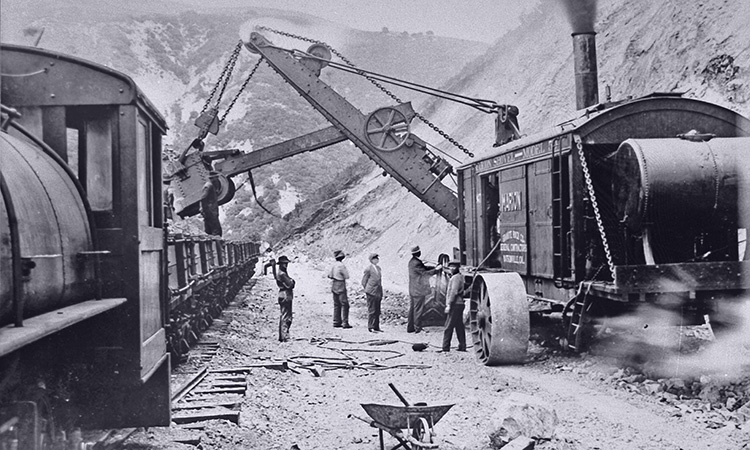
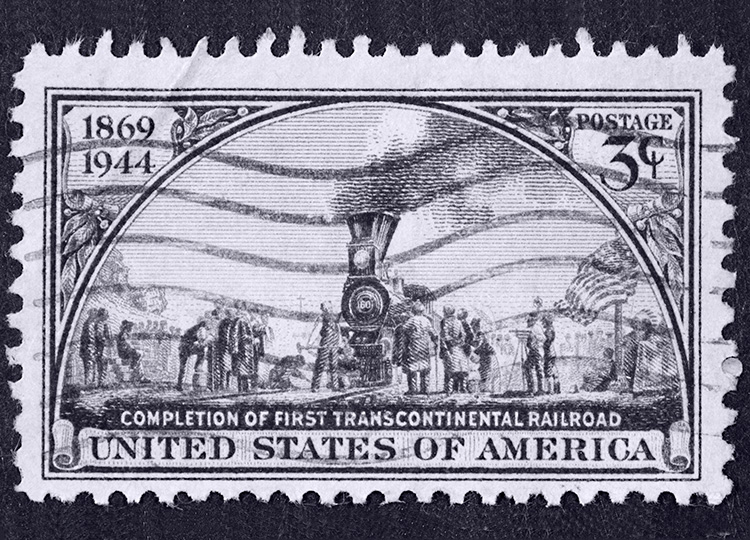
In the mid-1800s, tens of thousands of wildcatters flooded to California, many of them dying while crossing the deserts and the mountains that blocked entry into the Golden State. In 1869 the transcontinental railroad provided safe passage. Crushed granite provided the ballast for the railroads that fueled the ensuing economic boom.


Granite is an ideal building material. The mineral consists of fused grains of quartz and feldspar. Quartz offers strength, luster, and the glue that holds the material together. Feldspar brings color and a resistance to discoloration.


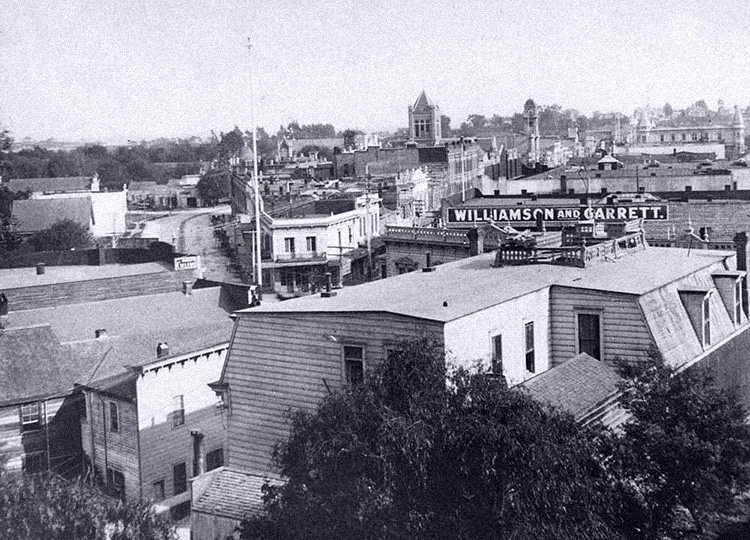
Cities like San Francisco and towns like Watsonville began planning their futures on granite foundations. The aggregate was in high demand. Wildcatters of another sort began speculating on granite rather than gold.
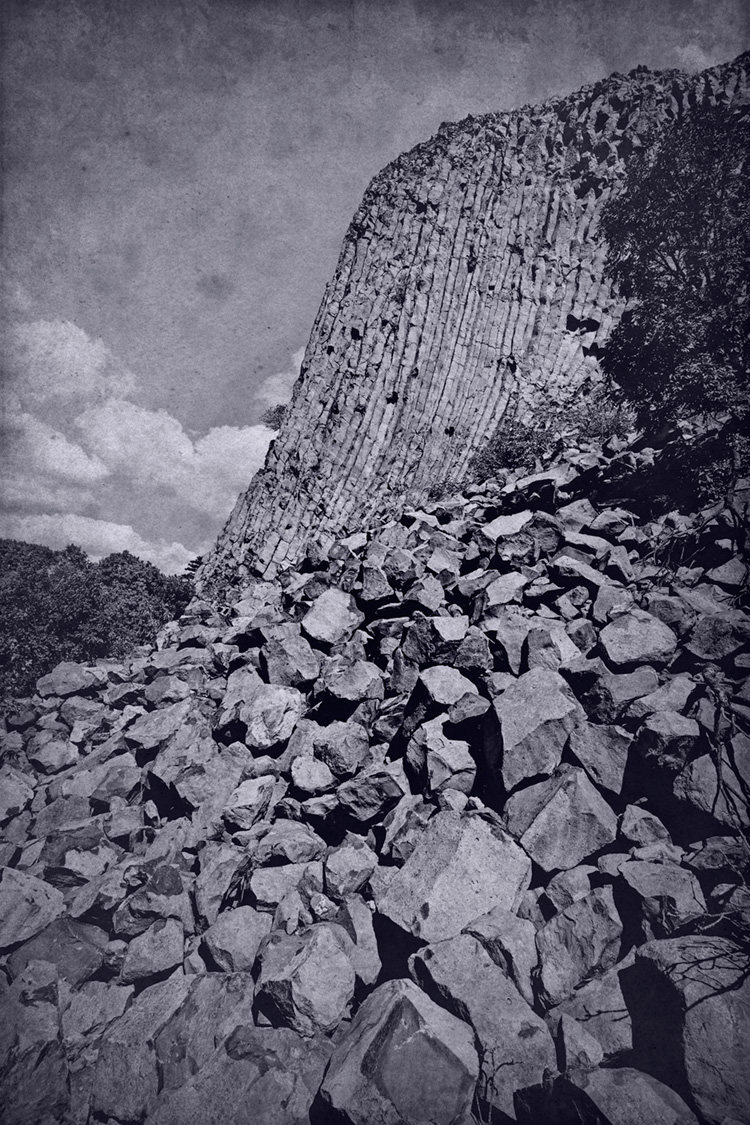
 

Surveyor Henry Blohm discovered granite near Watsonville in the 1870s. Blohm convinced railroaders of the worthiness of building a line between Tres Paros and Watsonville to capitalize on the find. A rail line was built to a new quarry opened on Judge James Harvey Logan’s ranch in Watsonville. Later three men—John T. Porter, his son Warren, and Arthur R. Wilson—partnered to buy the Logan Quarry and a related crushing plant for $10,000 in gold coins.


On February 14, 1900, Granite Rock Company was incorporated. Wilson, a native Californian, was an ambitious young engineer. An 1890 graduate of the Massachusetts Institute of Technology, he was elected to a two-year term as city engineer in Oakland, California, and managed a quarry and a construction company before leveraging his life insurance policy to buy his share of the Logan Quarry.


Wilson and his trusty team of mules, Minnie and Martha, made daily trips to the bottom of the quarry. Wilson, so proud of his business, planted a grove of redwood trees on the quarry’s edge to symbolize his new firm’s strength.


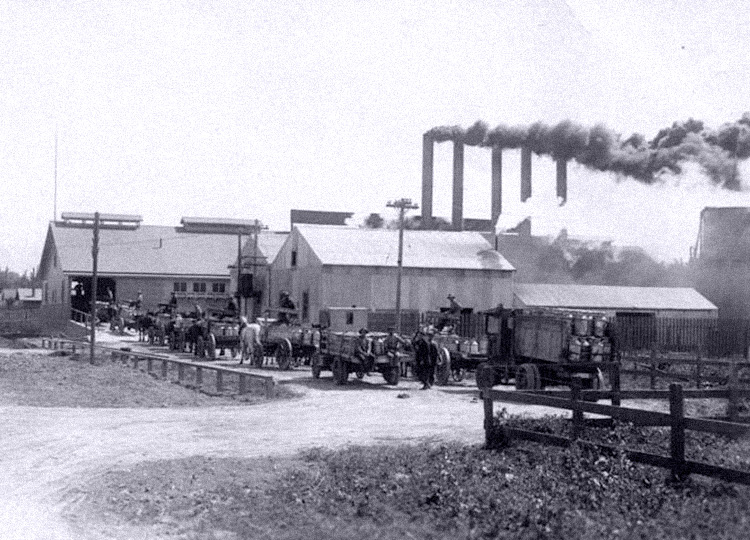
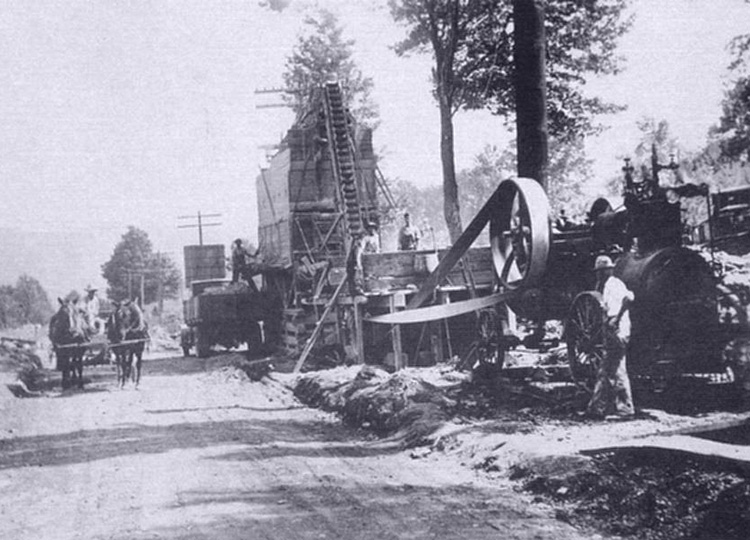
The Logan Quarry employed 15 men who were paid $1.75 per day for 10-hour shifts. Breakfast was at 5 a.m. and work began at 6. Each man shattered 12 tons of rock per day. Busting it up, shoveling it onto flatcars with wooden sides, and pushing those cars to the rail line was backbreaking work. Employment in the quarry included room and board, which cost the men about one week’s wages for a month’s provision. Shower stalls consisted of a hose and a bucket of water heated by a kettle.


Granite Rock produced about 175 tons per day, but the company struggled in its infancy. Wilson’s wife, Alice, loaned the company $3,500 in December 1901. A contract to build a Carnegie Library in Watsonville in 1903 helped overcome the deficits inherent in the business. The winning bid of $11,290 to build the library was symbolic of Granite’s prospects.


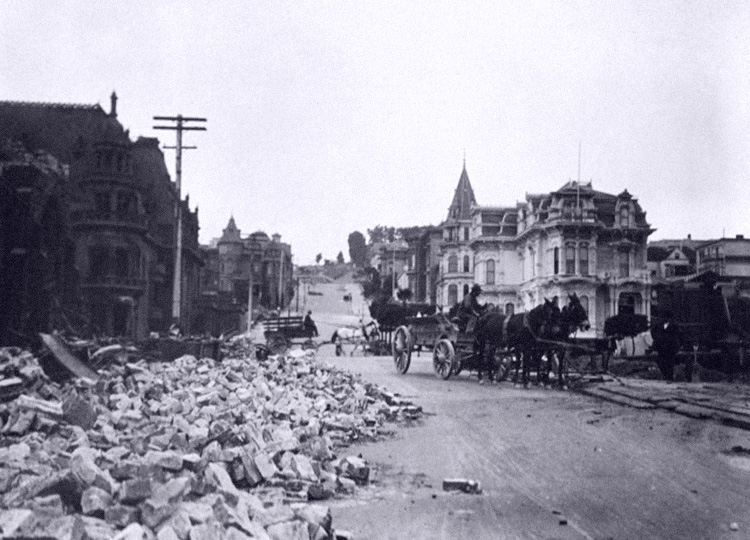
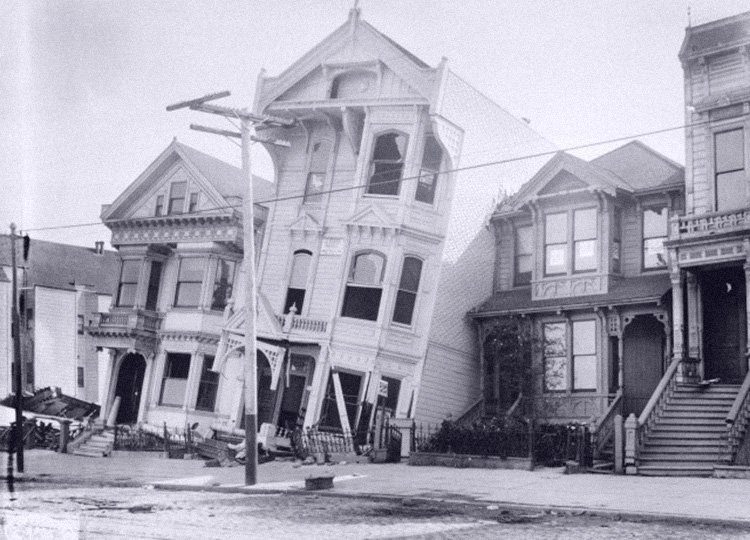
The Great 1906 San Francisco Earthquake struck in the early-morning hours. More than 3,000 people were killed and 225,000 left homeless. Some 28,000 buildings in San Francisco were destroyed. Logan Quarry wasn’t spared. The rock crusher and the bunkers fell off a hill and onto the railway. In an ominous sign, giant chunks of granite fell into the quarry—just the high-quality building material that was instantly in urgent demand.


Although it would be 16 years before Granite Construction Company was officially created by the Granite Rock Company, the foundation of the firm had been laid.


Find a Location

Enter a city and state,
or zip code:

Browse all locations

Awards

We are grateful to be acknowledged for our efforts.

Recognition