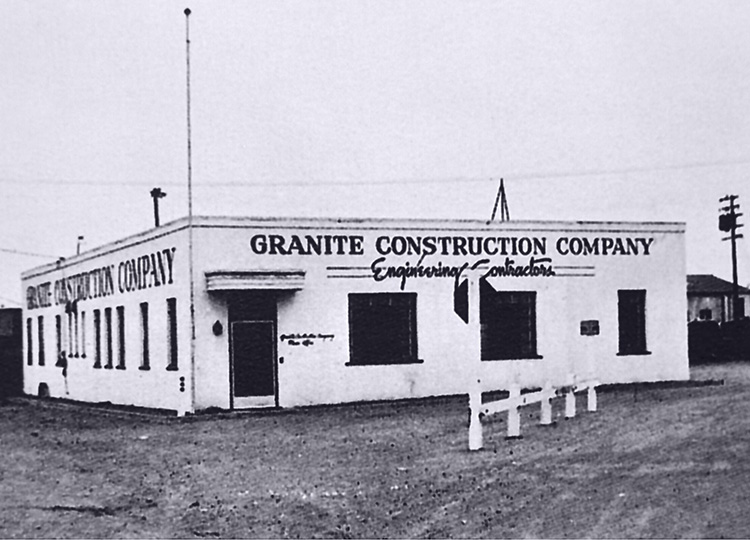
Granite Construction’s roots are traceable to California construction license No. 89—one of the first 100 licenses issued on October 1, 1929.

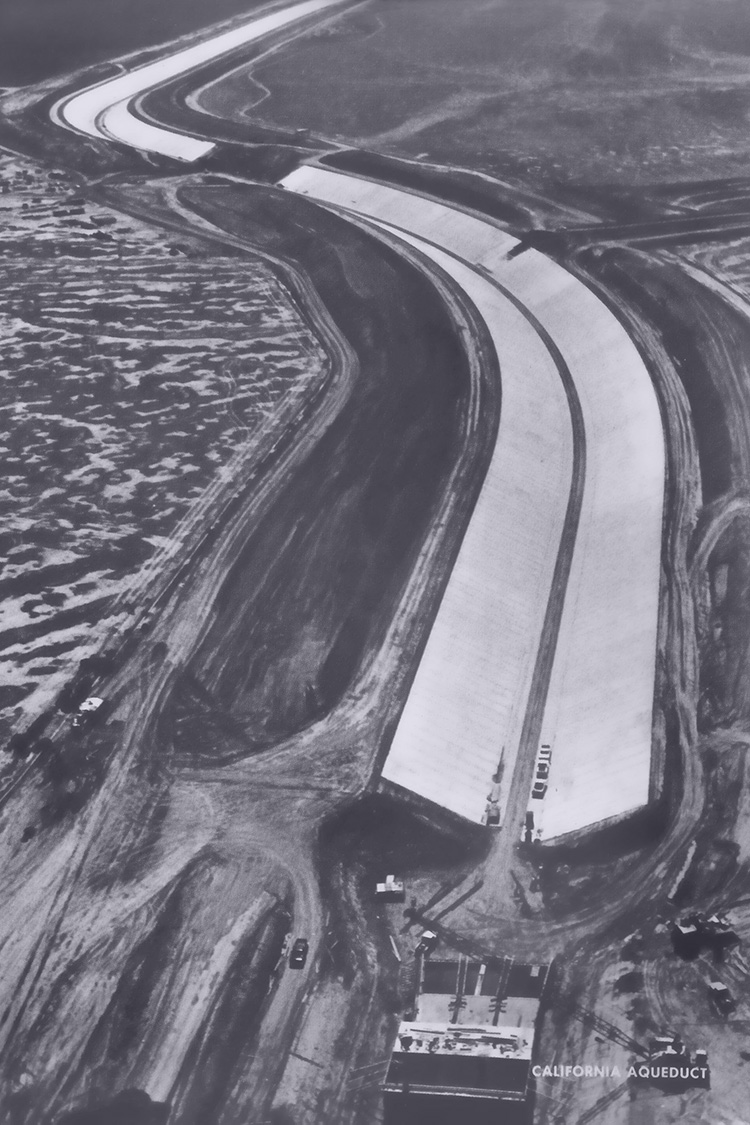
Granite crews built nearly a quarter of the 444-mile long California Aqueduct otherwise known as the "Grand Canal."

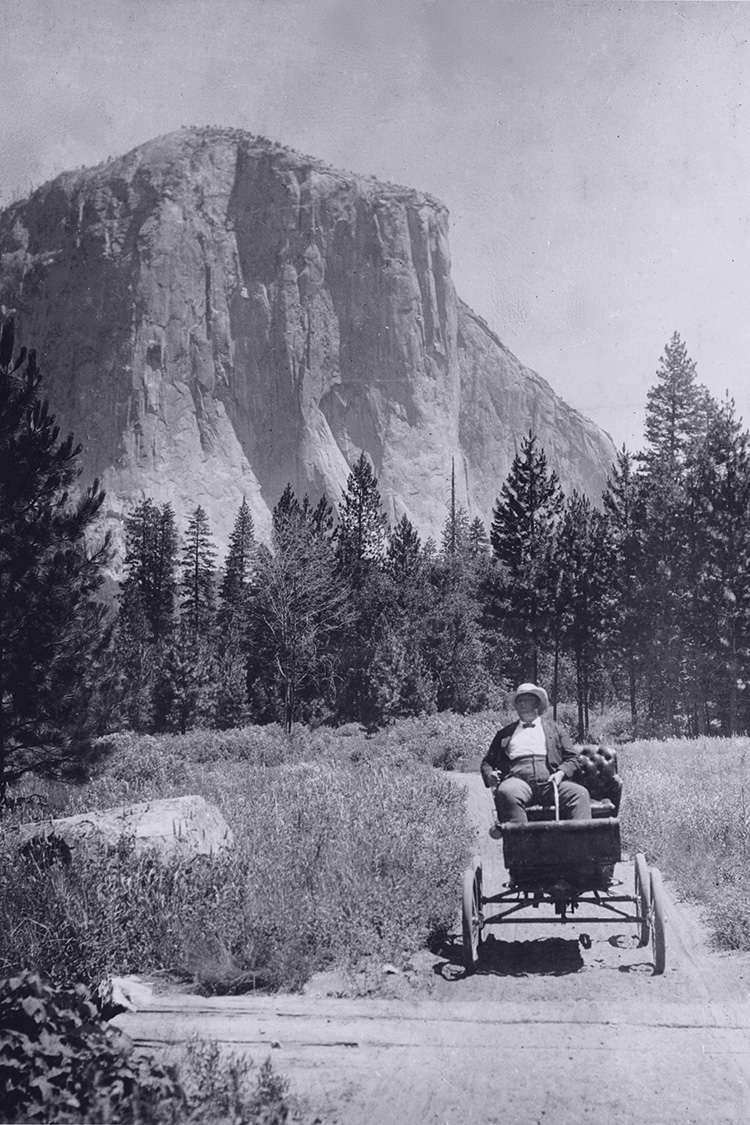
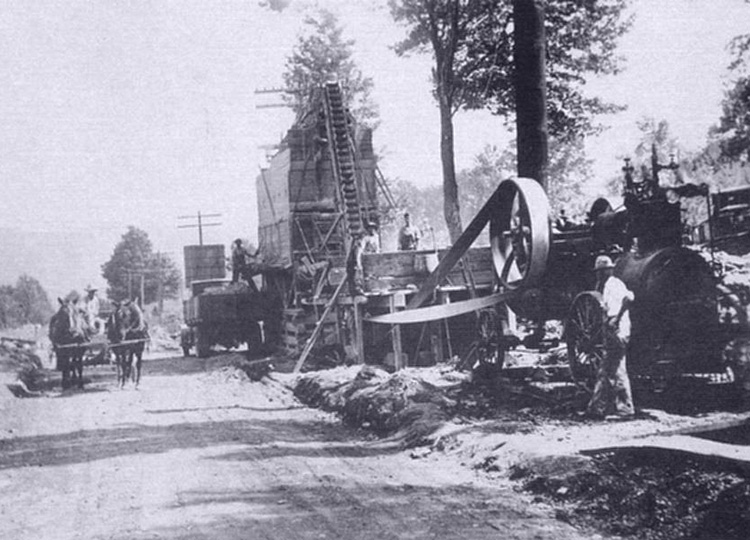
In the 1920s and 30s, Granite crews worked on the legendary Route 66 through the Mojave Desert and built some of the first roads into Yosemite National Park.

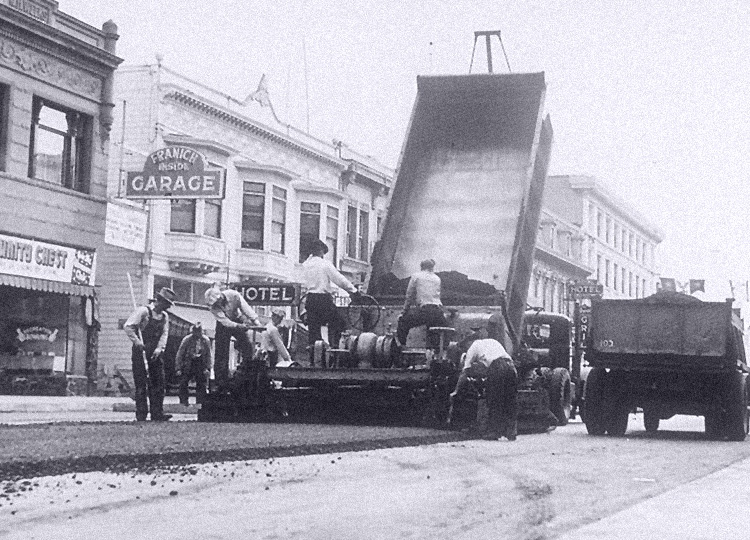
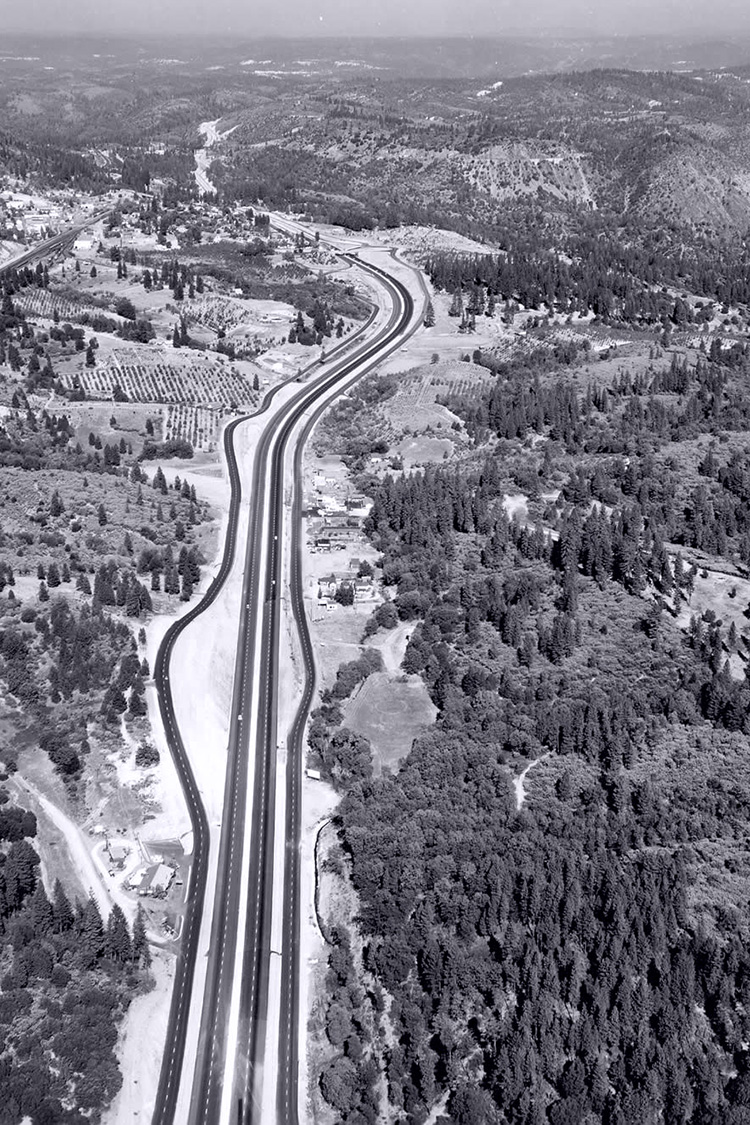
Following World War II, Granite was the beneficiary of the country’s love affair with automobiles, including paving the first streets in its hometown of Watsonville, California.

Big Iron

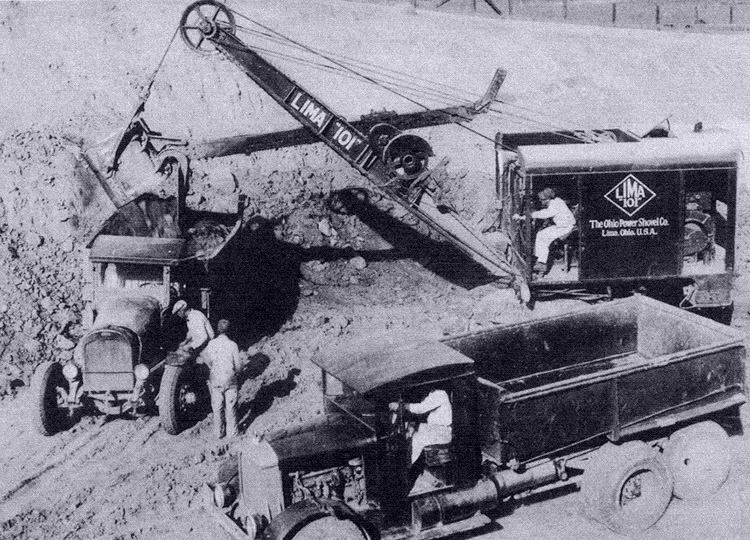
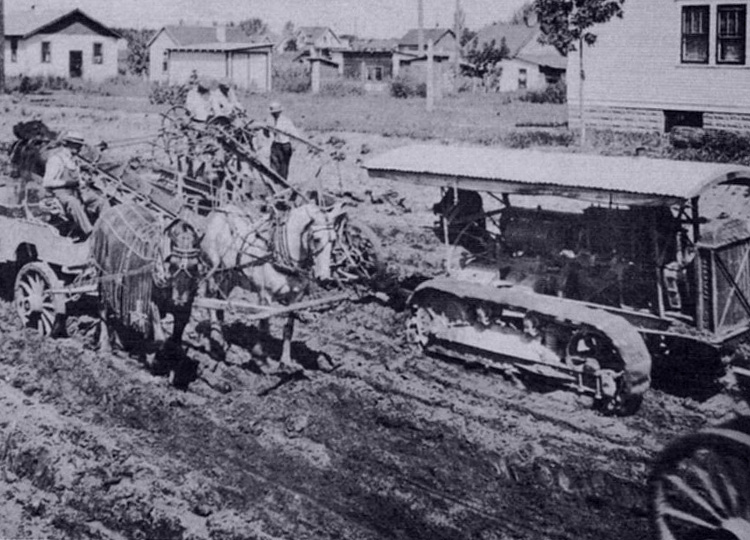
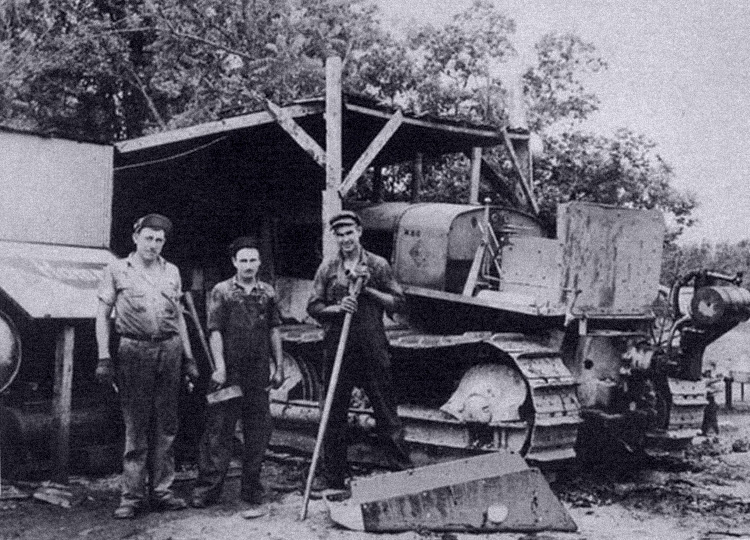
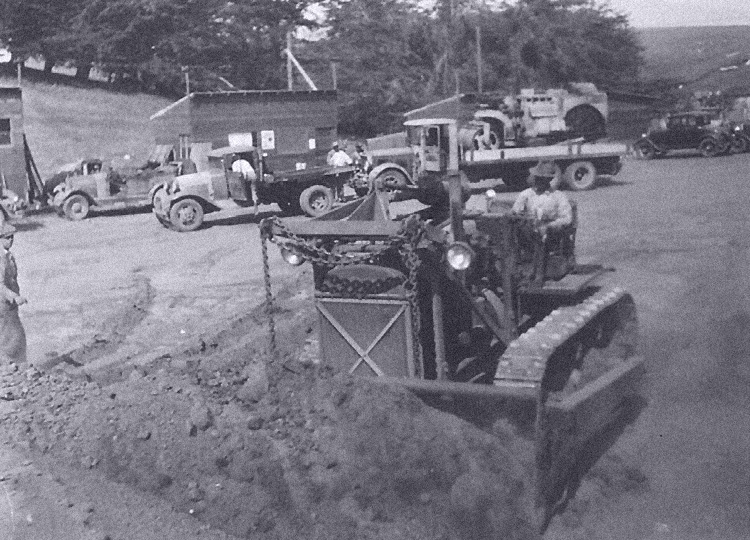
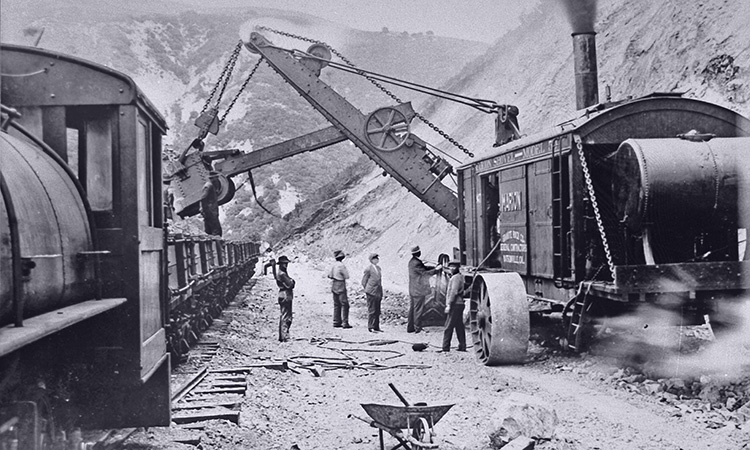
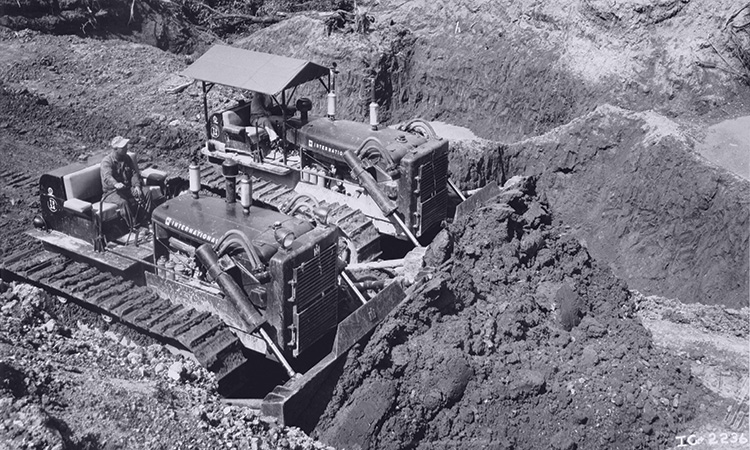
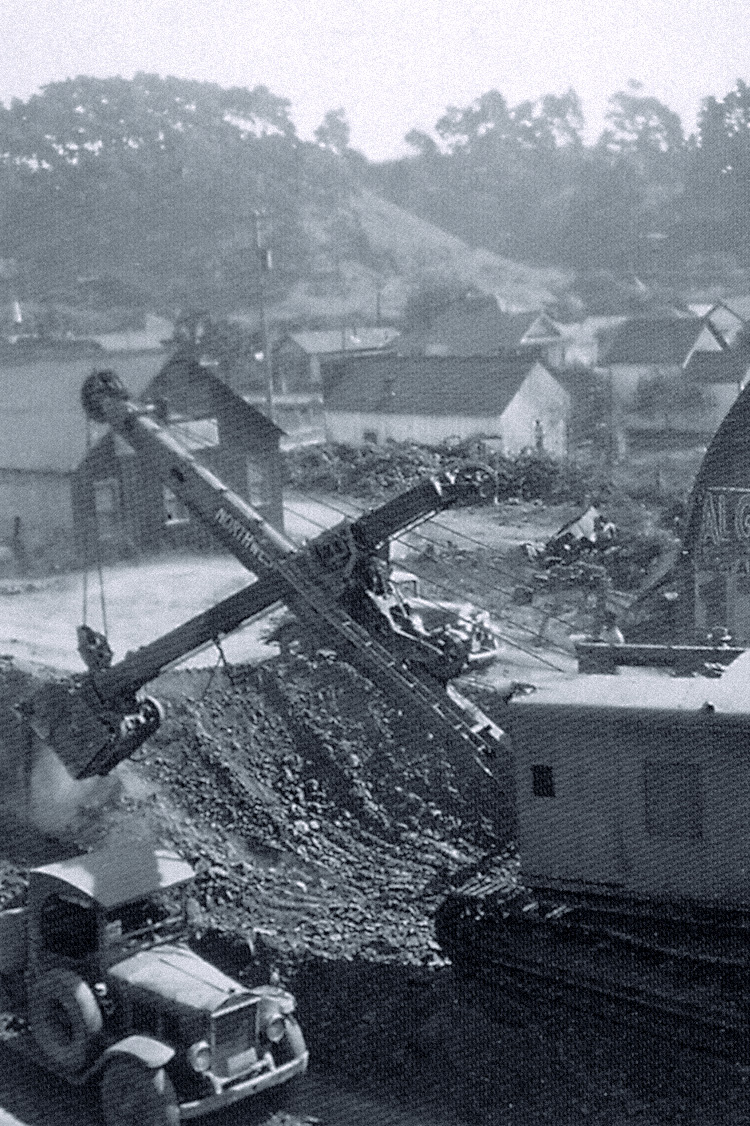
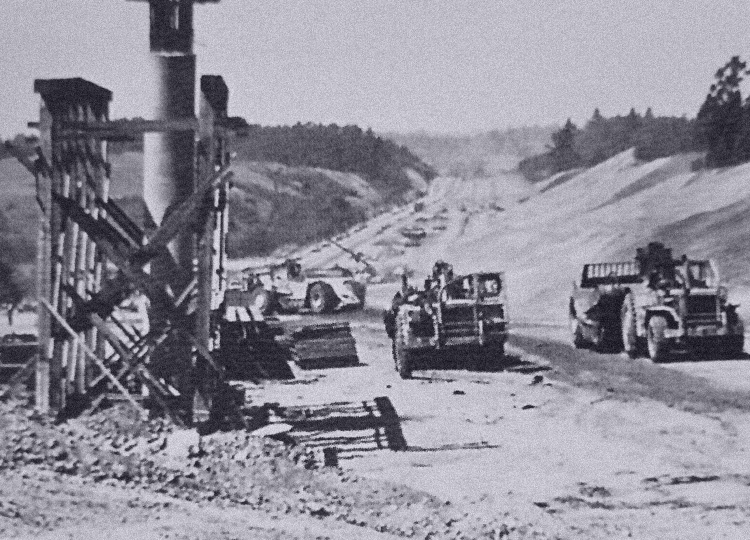
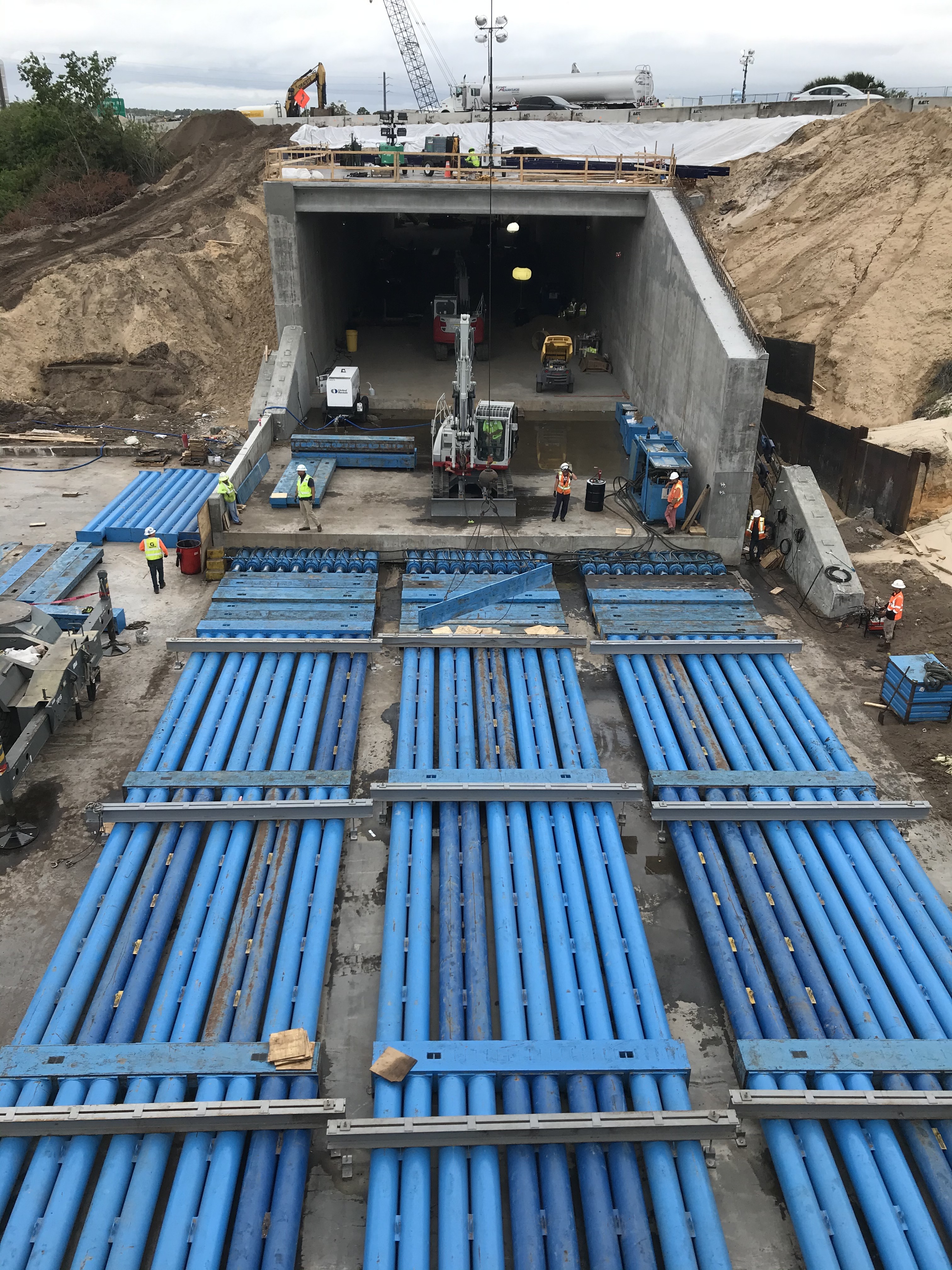
Separating Granite from the rest is the firm’s successful track record of using its Big Iron—heavy equipment—in creative ways to tackle tough projects. 


Call it innovating with iron. More than 100 years of buying the best gear has given Granite a historic competitive advantage. At Granite the adage Take care of your equipment and it will take care of you are words to live by, explains George Wagner, who joined Granite in 1929. Wagner drove the firm’s “cats” while building roads into Yosemite National Park during the 1930s.


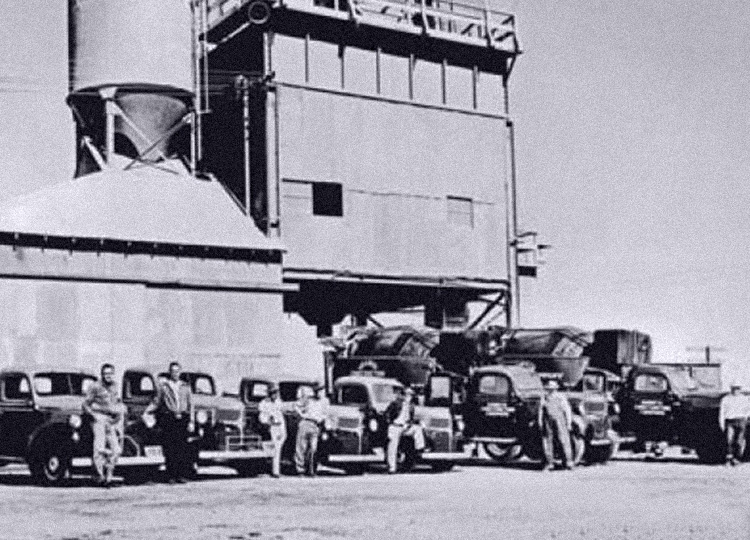
The firm has always been diligent about maintaining its fleets of Big Iron. During the Great Depression, expensive machines were sold off to keep the company out of bankruptcy. Since the beginning Granite has made a practice of investing in high-quality equipment to keep repair costs down and new equipment orders to a minimum. Doing so enabled the company to consistently reduce operating costs.


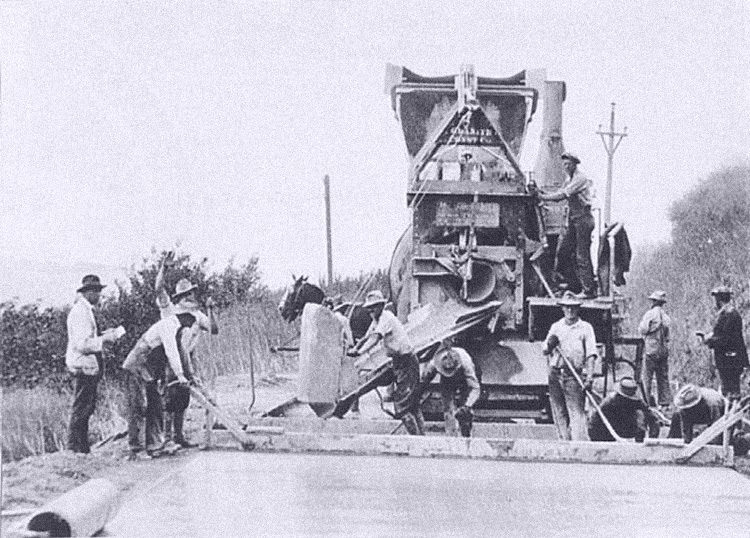
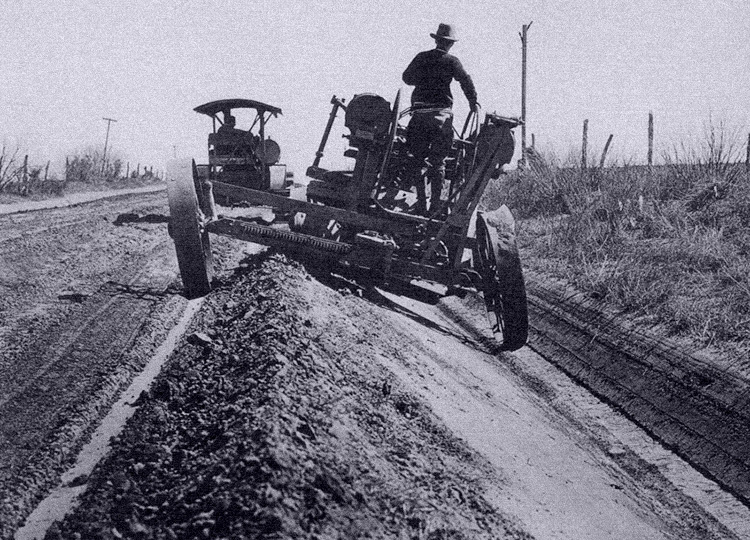
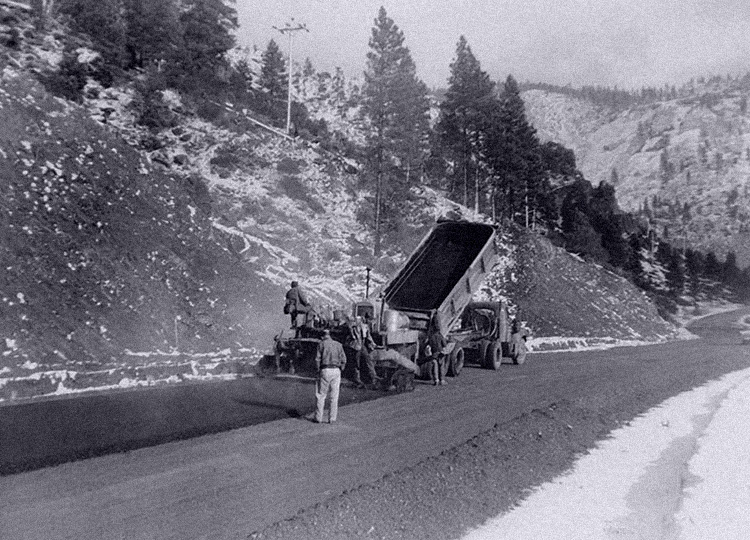
Applying a paved surface in the 1920s to the Chittenden Pass, a steep highway that climbs the canyon walls between Santa Cruz and the San Benito county line, was a demanding contract for the young firm. Granite purchased a breakthrough piece of equipment in paving—the 121E Multi-Foote Paver, despite its high price—as part of its concrete paving train. The Foote Company was the first to integrate a cast-steel Caterpillar tractor, a high operating platform, and an automatic lever control. Before this, operators grading a road had to drive a team of mules while pulling a rope to turn a leveling blade. Expensive gear isn’t necessarily good gear, however, as Granite once learned the hard way.


In 1932 Granite landed a contract to resurface the Tehachapi Grade, a mountain road between Bakersfield and Los Angeles. Granite licensed a new piece of equipment, the Gardner Mixer. Recalls Wagner, “The rectangular machine was about 20 feet long, 7 feet wide, 5 feet high, and mounted on four wheels. It took material from the road, pulverized it, and then covered the aggregate in asphaltic tar. After mixing, the material was applied to the road, finished with a motor grader, and rolled. But the Gardner Mixer failed to mix the oil evenly over the material to be laid as pavement. Some batches got too much, some too little,” Wagner lamented. “The ones with too little oil would fall apart, and the ones with too much oil would bleed up. Granite never used that equipment again.”


The best equipment in top condition has always meant the difference between a project’s being completed on time and a project’s falling behind. Equipment is the determining factor between a profit and a loss. Paramount, however, is safety. Mechanical conditions are a matter of life and death. Granite’s equipment superintendent, Dan Thompson, liked to say, “We buy good equipment and we take care of it.”