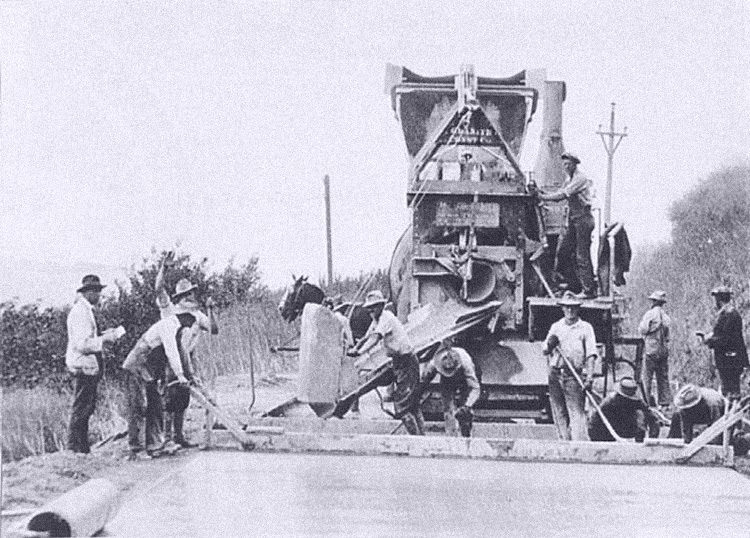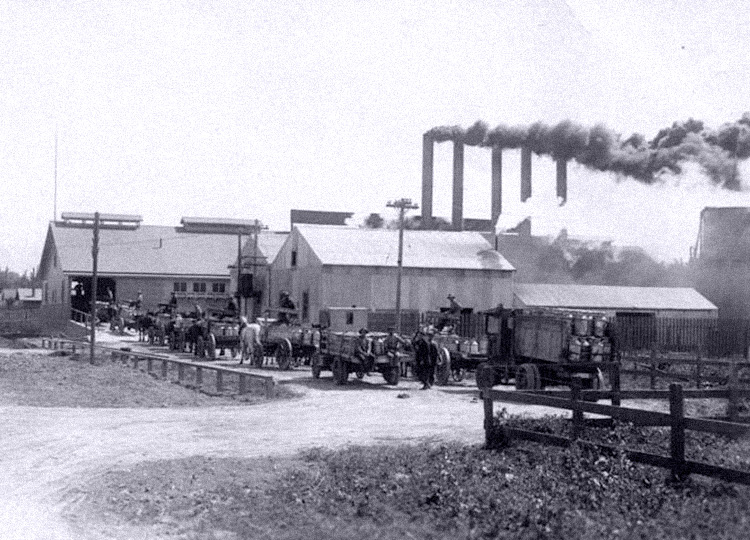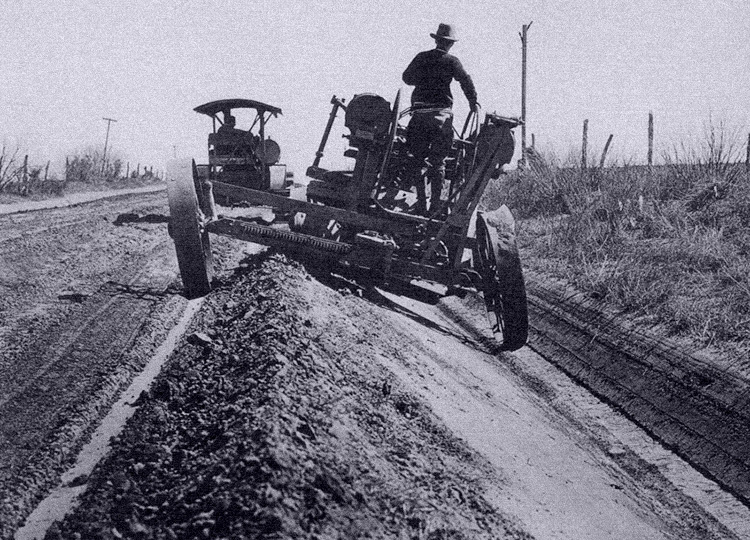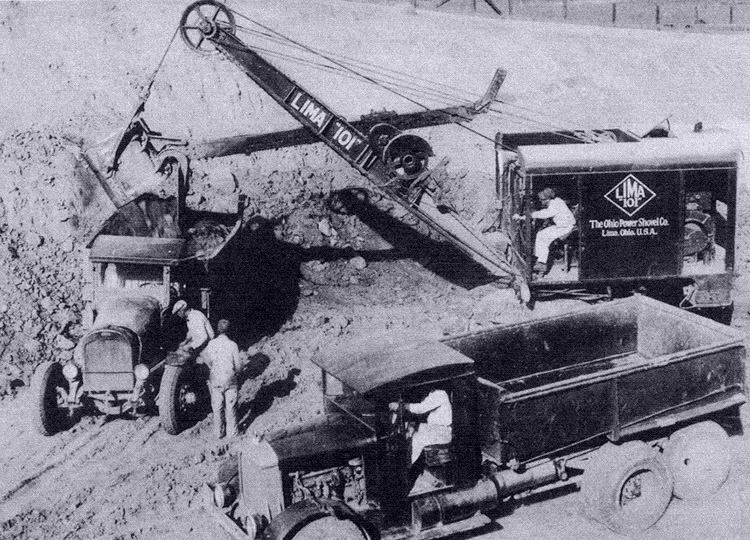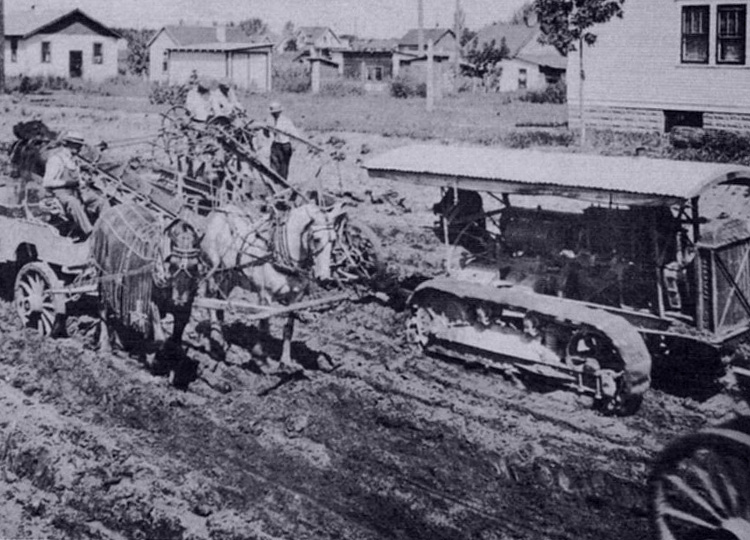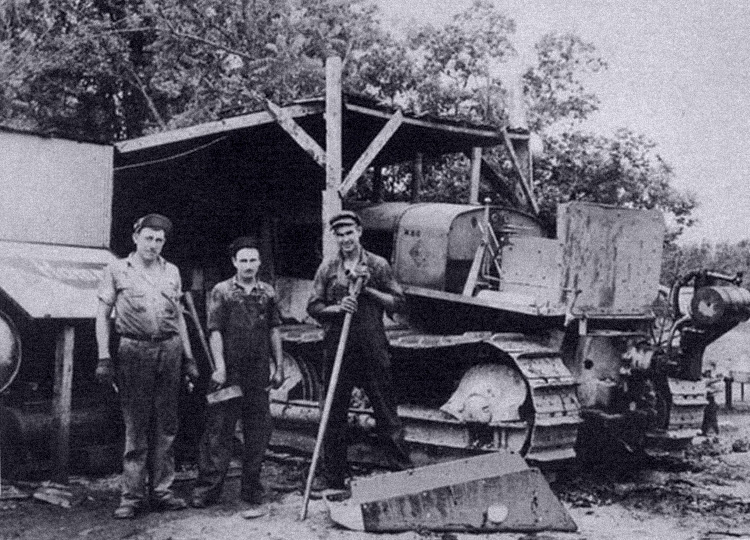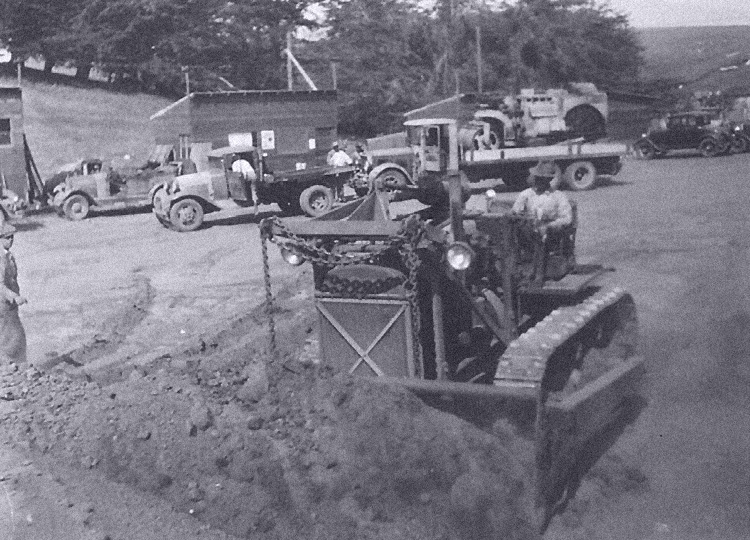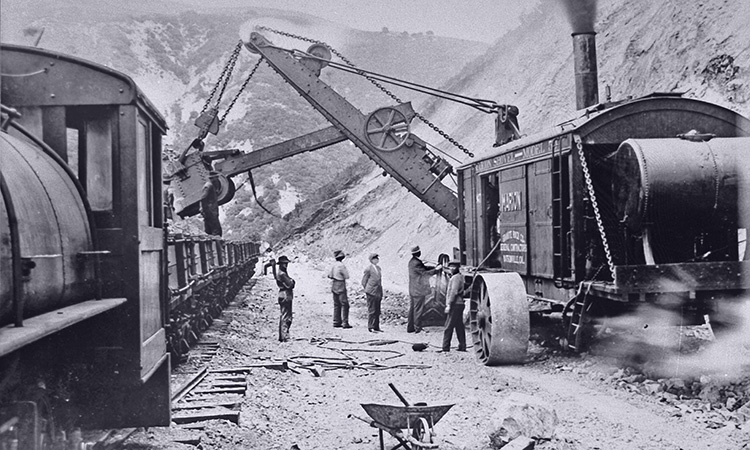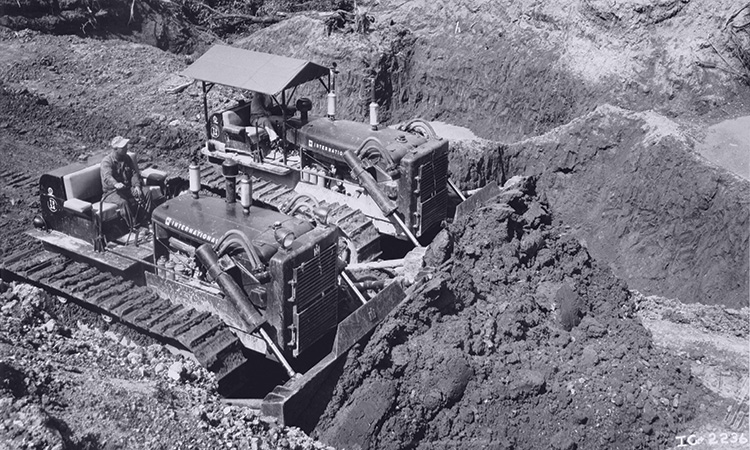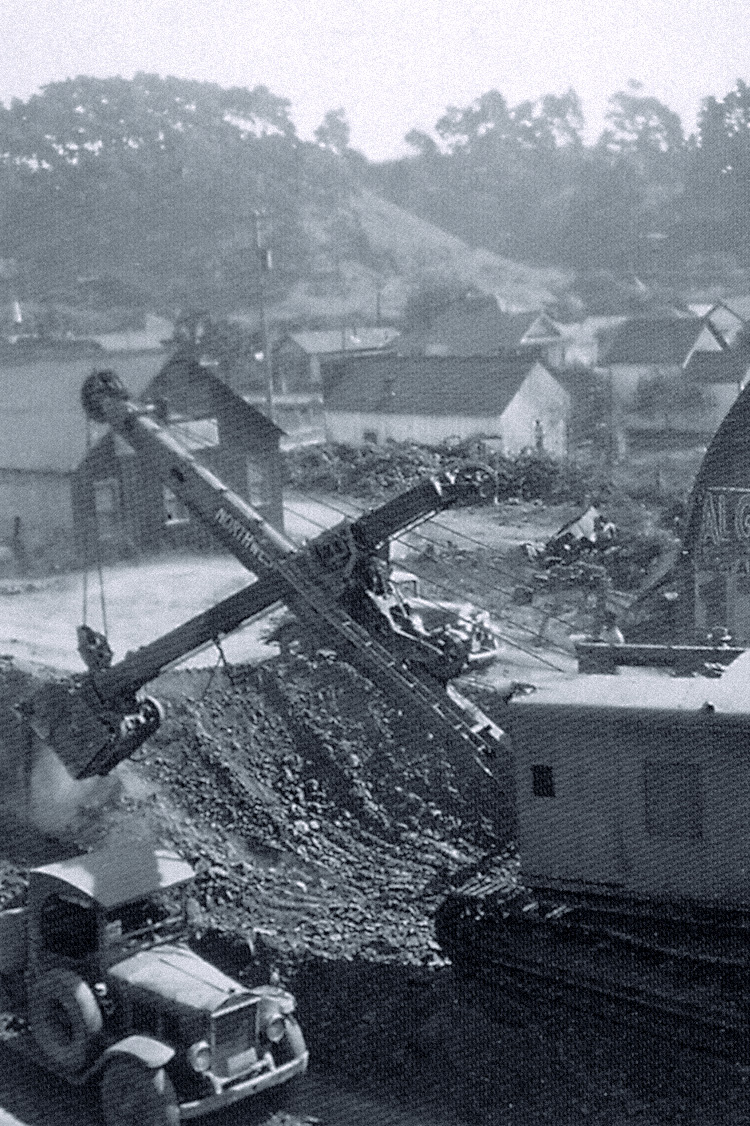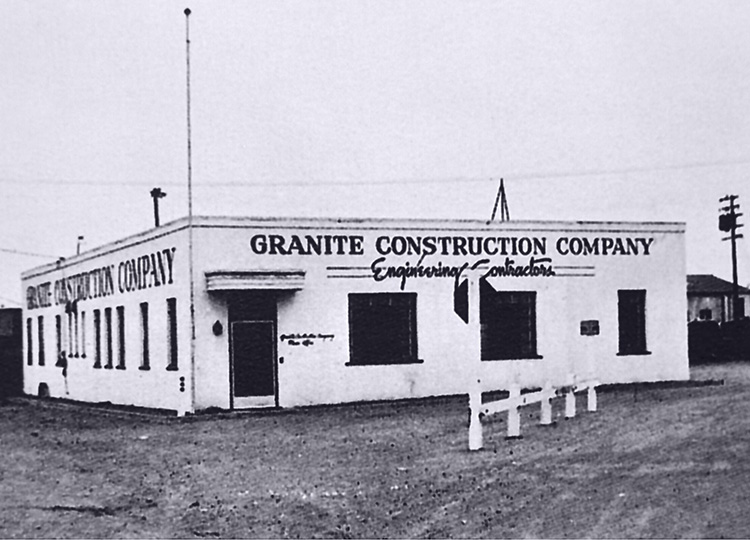
Granite Construction’s roots are traceable to California construction license No. 89—one of the first 100 licenses issued on October 1, 1929.

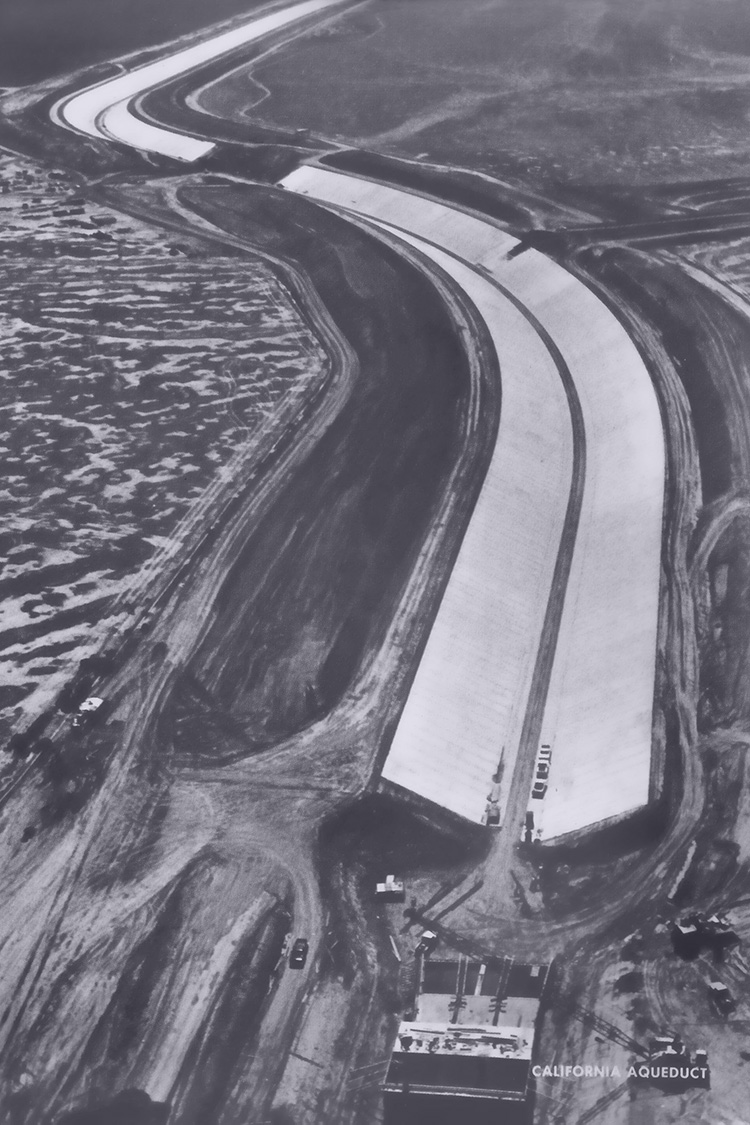
Granite crews built nearly a quarter of the 444-mile long California Aqueduct otherwise known as the "Grand Canal."

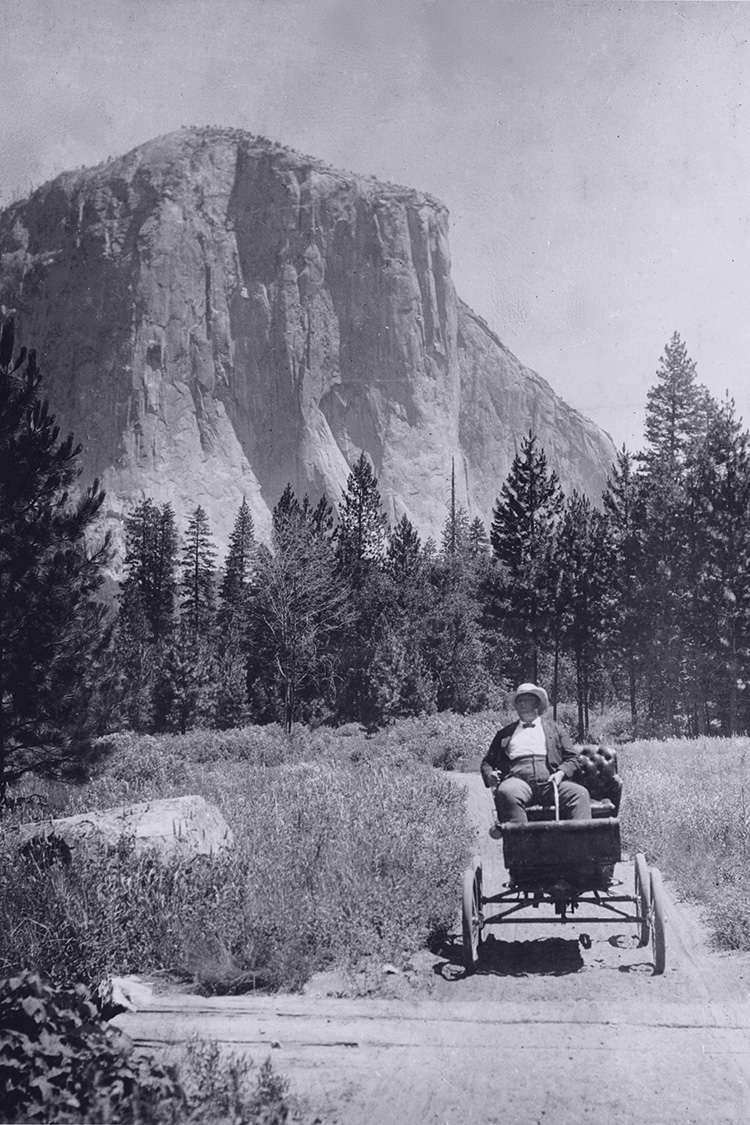
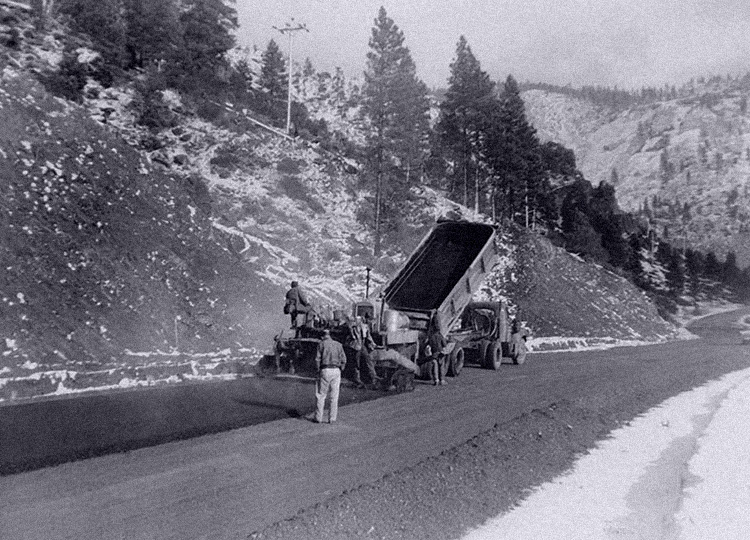
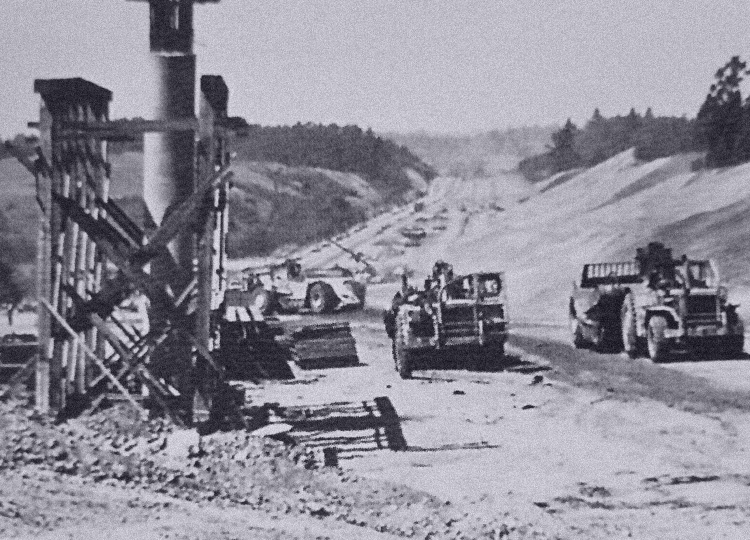
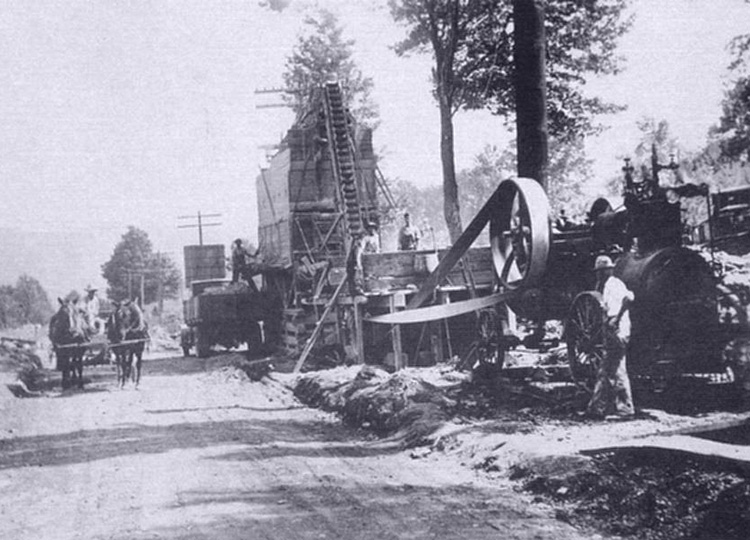
In the 1920s and 30s, Granite crews worked on the legendary Route 66 through the Mojave Desert and built some of the first roads into Yosemite National Park.

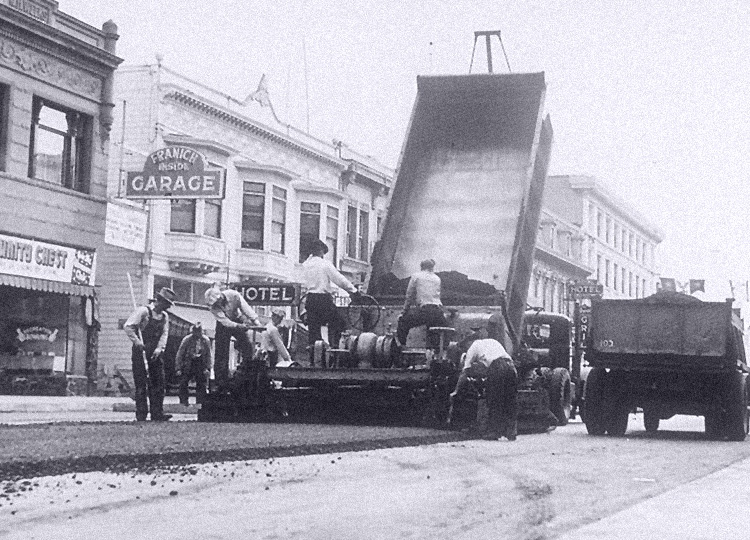
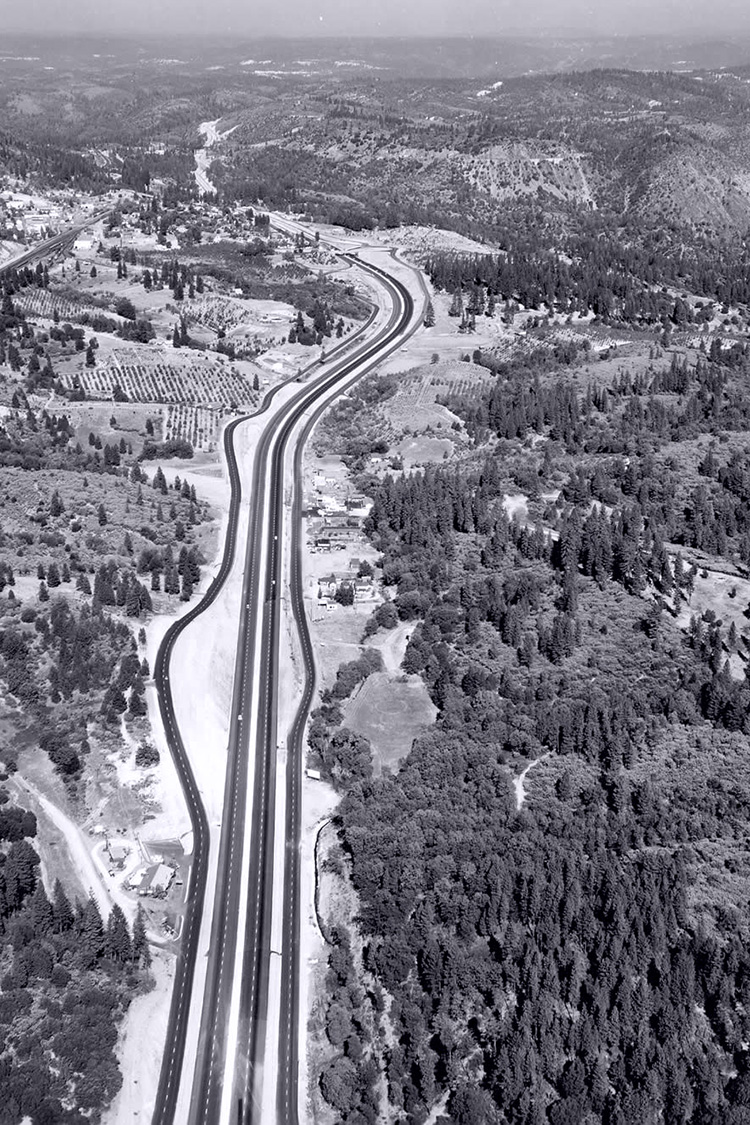
Following World War II, Granite was the beneficiary of the country’s love affair with automobiles, including paving the first streets in its hometown of Watsonville, California.

Boot Camp

As Granite began demobilizing from the challenging Yosemite National Park road-building jobs, the US Army began mobilizing for a second war in Europe.


During the war Granite paved runways and provided all the concrete work for the Watsonville Naval Auxiliary Air Facility, which served as home to the US Navy’s blimps that were used to patrol the coast. Granite expanded Watsonville’s airport for wartime use by paving two macadam runways to new lengths: 4,000 and 4,500 feet. The firm also provided the concrete work as the navy geared up to build barracks and administration buildings. The Watsonville Naval Auxiliary Air Facility was used to train pilots who would soon depart for the Pacific. At the height of operations, the station housed 90 aircraft, mostly fighter planes.


By the time the war was over, the mobilization of US forces had significantly strengthened Granite. The heady postwar bliss further thrust the firm into ever more growth. By the end of the 1940s, Granite had completed $1.2 million in work for the navy and another $3.5 million for the War Department. From 1940 to 1949, Granite’s total work volume exceeded $17 million—nearly double what it had billed during its first 18 years of operation. Granite opened offices in Monterey in 1945 and Santa Cruz in 1946, stretching its reach some 43 miles along the California coast. And Granite’s expansion was just beginning.


The next generation of Granite’s leadership, shaped by battle, reentered the workforce by taking in hand shovels as laborers, pencils as timekeepers, and steering wheels as operators. Dick Solari, a nephew of owner Bert Scott, joined Granite’s ranks immediately after the war’s end. The former Marine rose to become Granite’s president and owner. Jack Harrod, who became a construction superintendent, had been a lieutenant in the navy. George Wagner, who worked the “cats” in Yosemite, rejoined Granite after having gone to Alaska to build the famous Alaskan Highway military road. Many more went to college on the GI Bill to prepare themselves for careers with Granite.


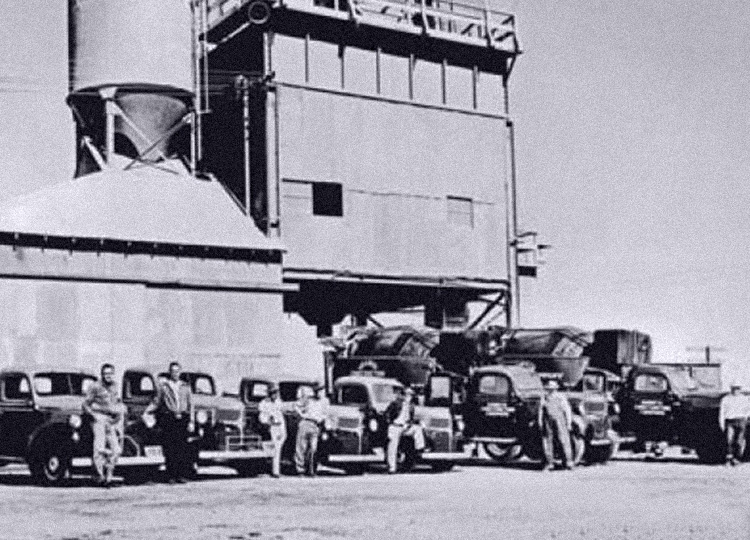
For its part, the military shipped back equipment that had been used in Europe, Africa, and the Pacific—surplus trucks in particular. Manpower, machines, and skills were in abundance, and Granite Construction successfully put all three into action to modernize the United States.


Building a Legacy

Get to know us from the very beginning.

Our History

Our Values

Read about what sets Granite apart from the competition.

Code of Conduct