Our Company
The World Trade Center: Granite Construction Company is rebuilding the World Trade Center (WTC) in New York City, destroyed on September 11, 2001, during the deadliest foreign attack on US soil. The work, performed by Granite and its Phoenix Constructors joint-venture partners, named after the mythical creature symbolizing rebirth, has centered on rebuilding and expanding the WTC’s original slurry walls, reconstructing two subway lines, building new foundations, and converting the original foundations of the Twin Towers into a memorial park.
“It’s an honor for Granite to be one of the only heavy general contractors selected to work at Ground Zero,” says Jim Roberts, Granite’s president and chief executive officer. “The reconstruction of Lower Manhattan is our greatest challenge to date. Our performance stands as a testament to Granite’s patriotism as much as our joint venture’s ability to deliver under unimaginably extreme conditions.”
The heavy construction required at the WTC would be challenging under any circumstances in any location. Add to the already-long list of difficulties: each shipment of materials, each worker’s entrance into the worksite, and the project’s specifications are a matter of national security. Political infighting has raged for more than a decade between 19 public agencies; 2 private developers; 33 designers, architects, and consulting firms; and more than 100 contractors and subcontractors.
In a show of the WTC’s high visibility, construction schedule disruptions have been triggered by visits from Presidents George W. Bush and Barack Obama, a papal visit by Pope Benedict XVI, and a constant gaggle of national and international media folk, including Steven Spielberg’s Hollywood film crew. In the meantime it’s been Granite’s job to simultaneously build the WTC’s transportation hub.
“We’re challenged at every turn,” says Roberts. “The silver lining is: because we’ve successfully rebuilt the World Trade Center in Lower Manhattan, we’re certain we’re able to build anything, anywhere.”
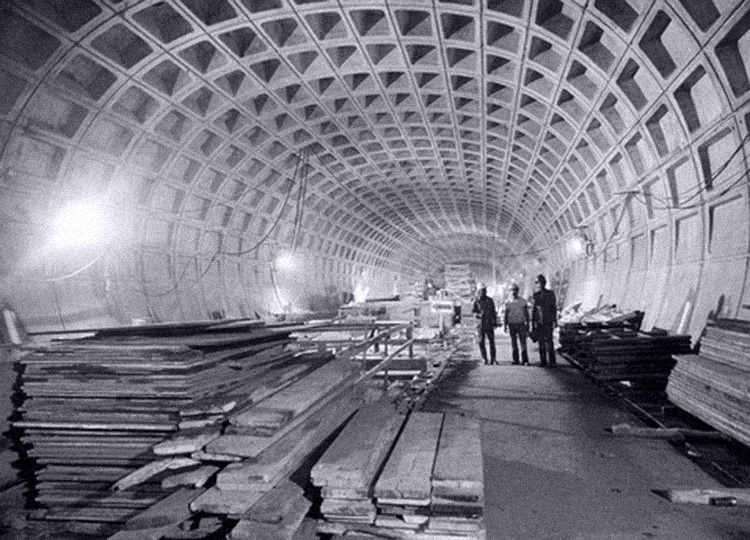
Immediately after the attacks, the subway platforms were destroyed and the track infrastructure tunnel under the Hudson River flooded. The WTC’s Port Authority Trans-Hudson Corporation (PATH) station was shut down for two years. Drawing on expertise acquired while building many of the nation’s subways, Granite ran a crew of mostly its own workers while building a temporary PATH station inside the WTC at a cost of more than $100 million.
This temporary PATH station opened on time on March 31, 2008, albeit so pressed on schedule that it was nearly midnight when the ribbon was cut. Today 150,000 commuters per day are moving through the construction site on two subways lines.
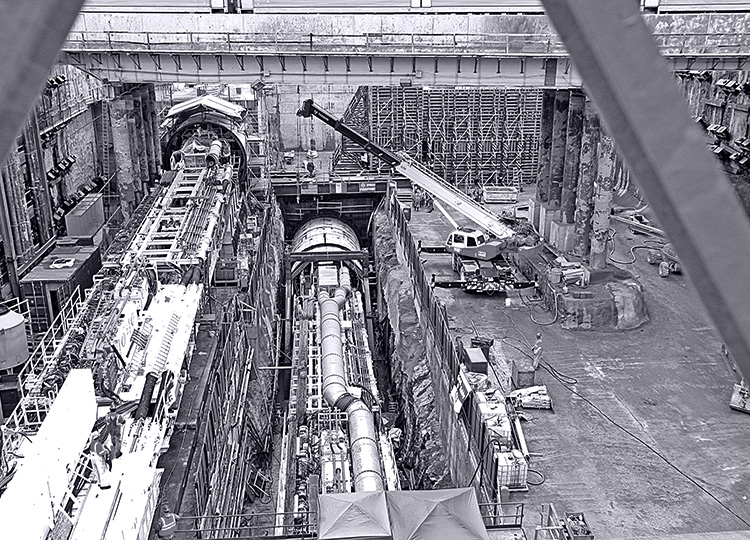
The major excavation work inside the giant 16-acre “bathtub,” as the WTC’s foundational structure is called, is now complete. “We’ve pretty much executed all the packages that get the hole dug out. The basic support and excavation, underpinning of subways, and temporary entrance are also completed,” explains Mike Donnino, Granite’s Eastern Operations Group manager. “Now we’re faced with building the permanent station in the middle of it all.”
Granite and its partners have now moved onto building the permanent PATH station that’s to rival Grand Central Terminal’s grandeur and Pennsylvania Station’s traffic load. It’s designed to be the third-largest transit hub in New York City, at 0.5 million square feet and a cost of more than $3 billion. The new station links subways, PATH trains, and ferries into a single system called the World Trade Center Transportation Hub, which is both an artwork and a bunker. The station must be able to withstand a bomb blast and another building collapsing upon it. Call it beautification fortification.
The work continues. Change for the better, however, has already arrived to Lower Manhattan. On the solemn tenth anniversary of the terror attacks, One World Trade Center reached 80 stories—on its way to 104 stories—making the unfinished tower the tallest building in Lower Manhattan. The former footprints of the original Twin Towers are open to the public as a permanent memorial park, with reflecting pools and waterfalls. Most significantly, the neighborhood around Ground Zero has become the fastest growing in New York—and the most desirable.
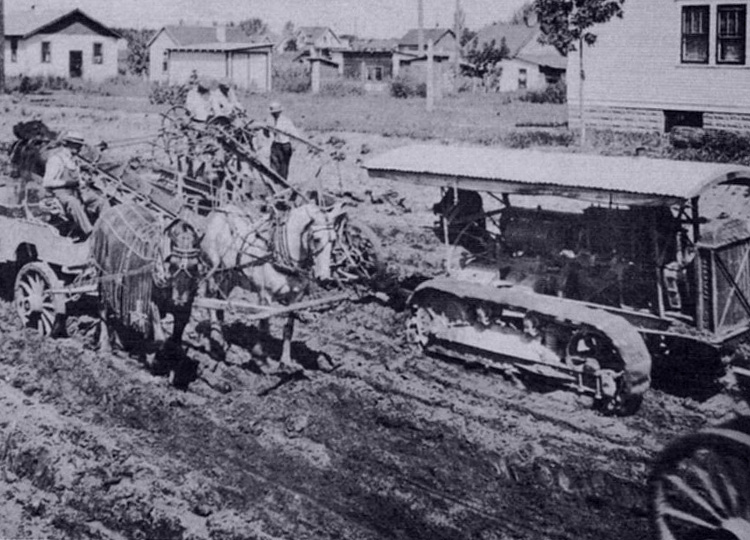
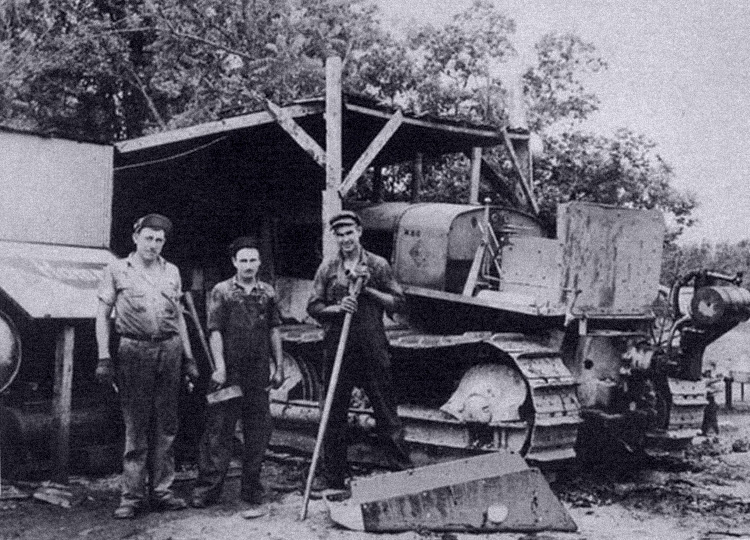
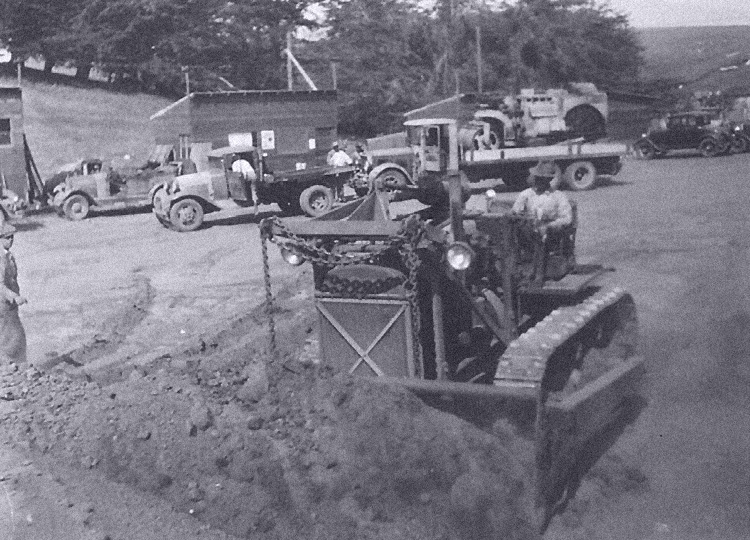
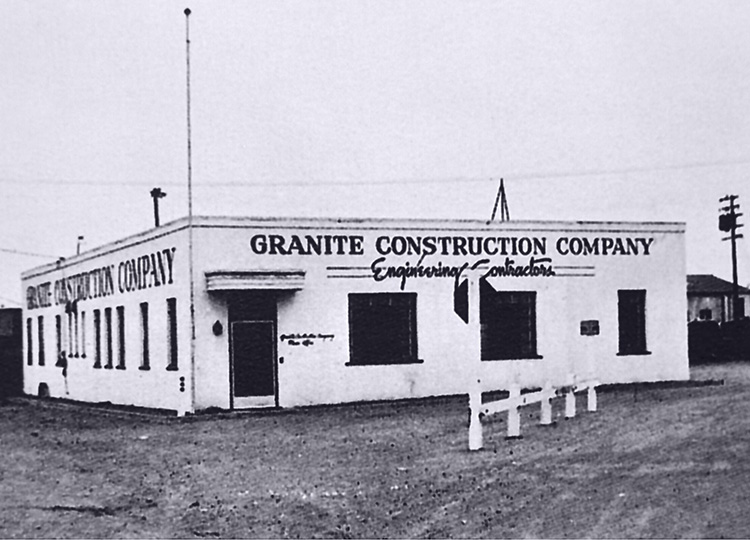
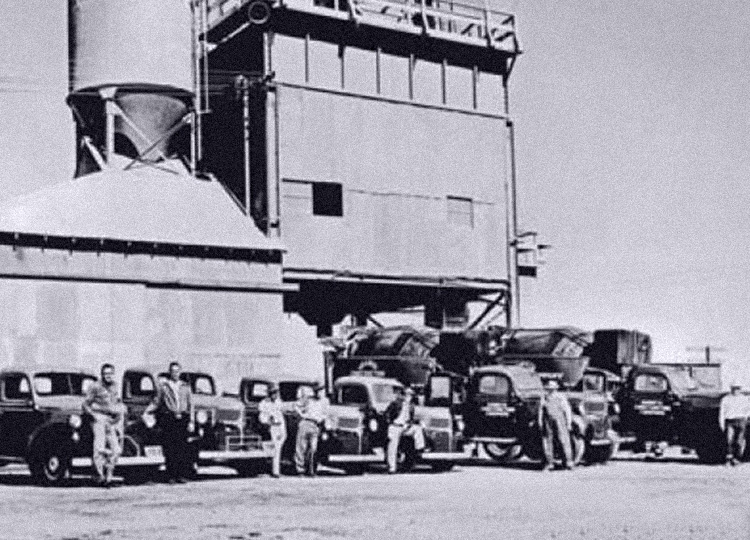
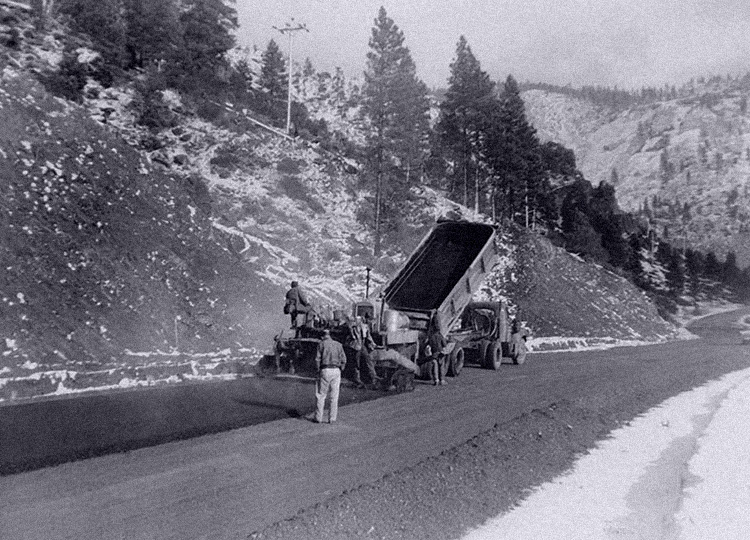
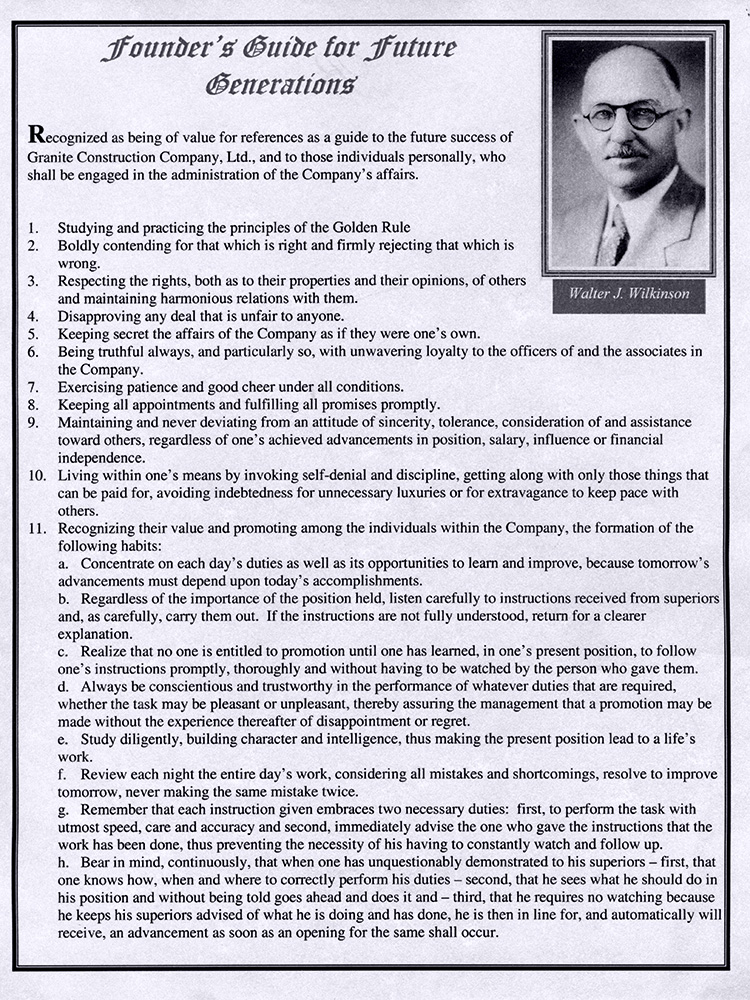
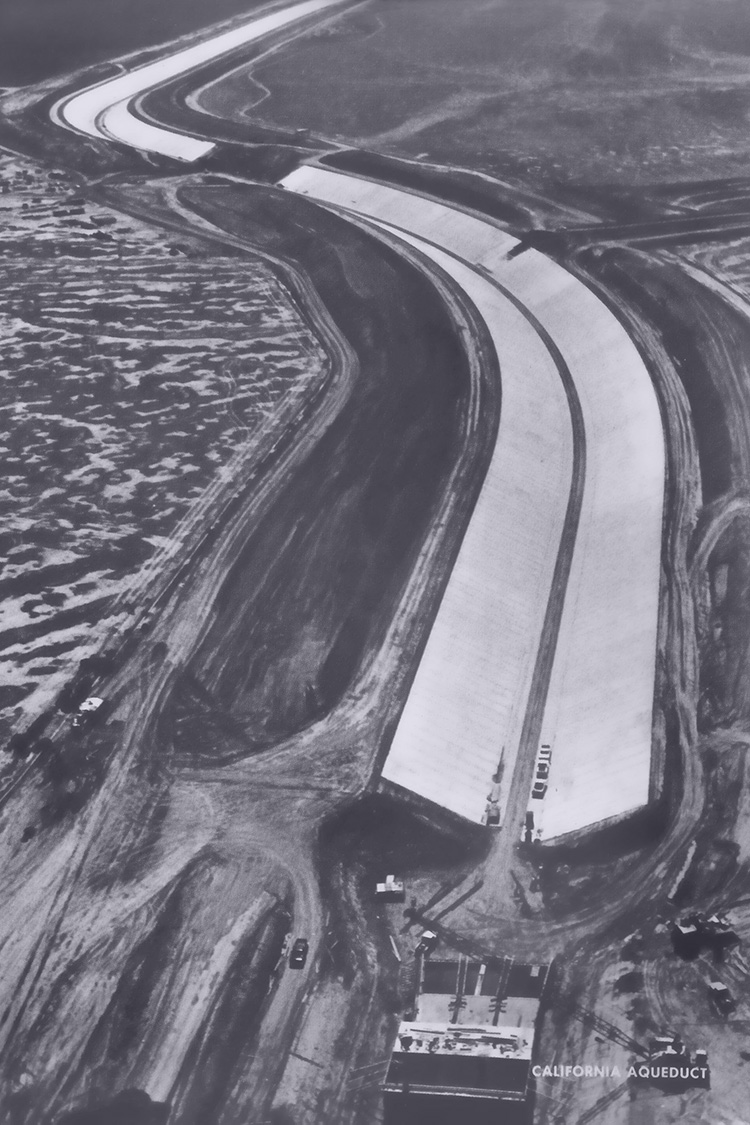
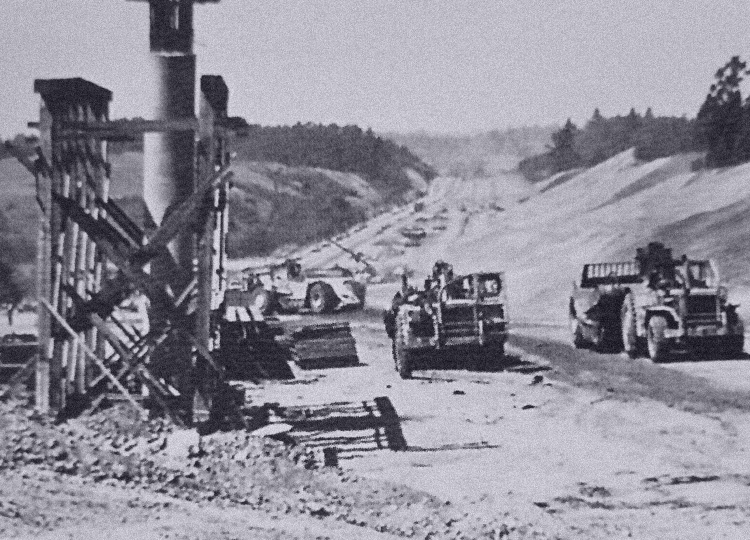
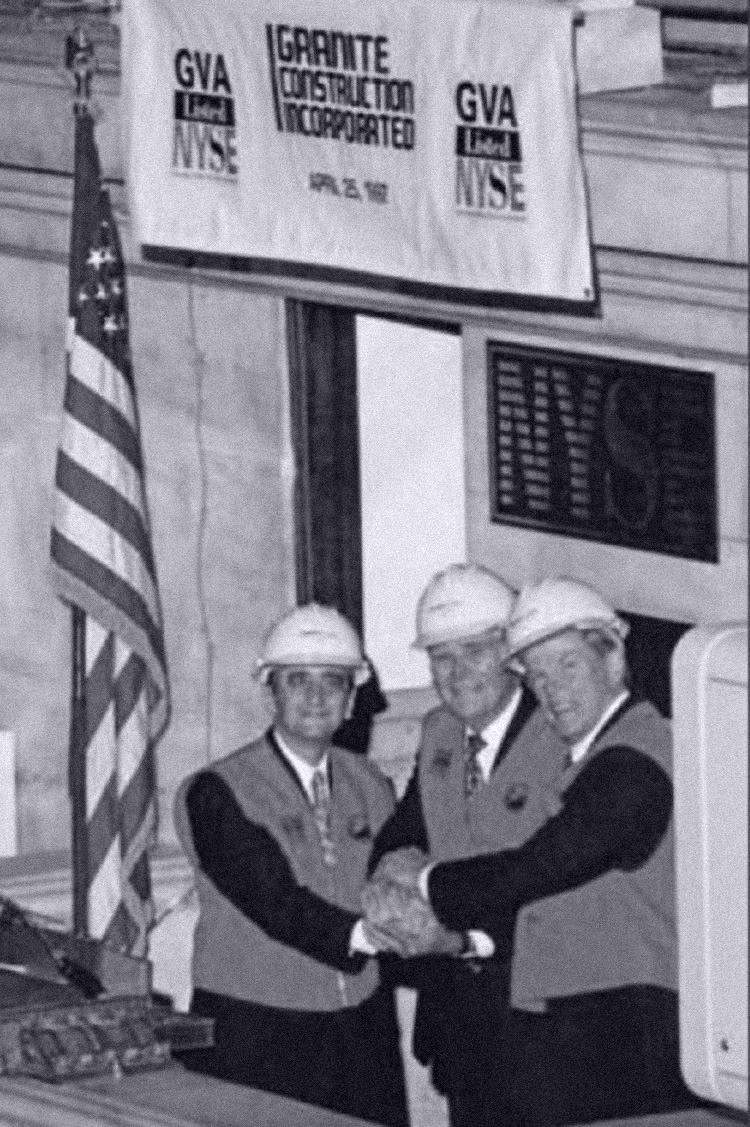
From Watsonville to New York City, Granite has proven itself a competent player on the national stage. Proudly, Granite conducts itself as the family business it was born into more than a century earlier. Structured as an aggressive for-profit firm, Granite went public more than 20 years ago. Granite is 100 percent focused on and committed to the US market. As Granite moves into its future role of continuing to build America’s infrastructure, past performance heralds our ability to deliver the highest-quality projects with demanding clients. With projects as complex as the World Trade Center or as simple as a family’s driveway, Granite takes pride in what we build.