
Collaborative Project Delivery
The future of infrastructure is collaborative
Broadly known as “collaborative contracting,” these delivery methods are distinguished from traditional bid-build or design build by involving the contractor earlier in the process, providing more opportunities to work towards innovative solutions and execute projects that provide the best value to all stakeholders.
Three of the primary collaborative contracting models are Construction Manager At Risk (CMAR), Construction Manager/General Contractor (CM/GC) and Progressive Design-Build (PDB). Learn more about each in the videos below.
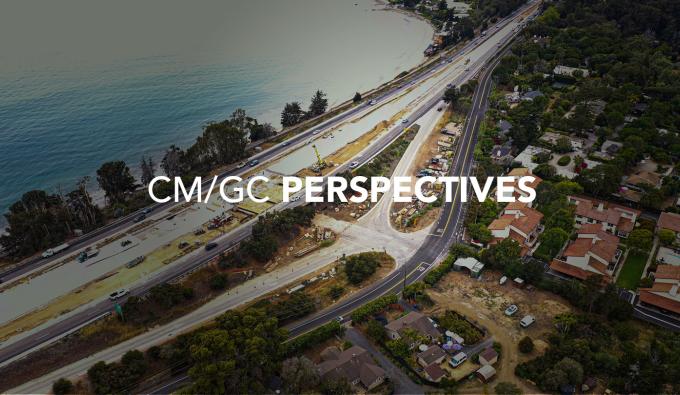
Unlike traditional project delivery, where a design is completed before the owner selects the contractor, in a CM/GC project, the owner brings in the contractor towards the end of the preliminary design phase. The contractor and designer then work together, under contractual coordination requirements, to complete the final design phase. In the process of working through the final design, they are able to work together to identify more opportunities for savings and flexibility.
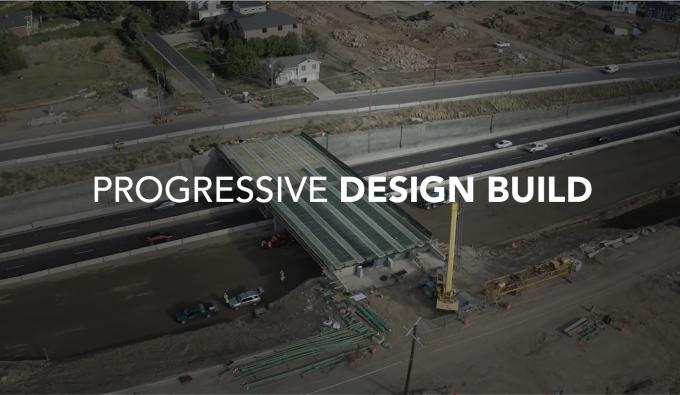
In a PDB project, the owner selects a Design-Build team based on qualifications or best value criteria—not just lowest price—followed by a collaborative process to a final design and price. Key features include early retention of the contractor, selection based on qualifications, and delivery of the project in two distinct phases: Phase One includes a budget-level design, while Phase Two includes the completion of the project's design and construction.
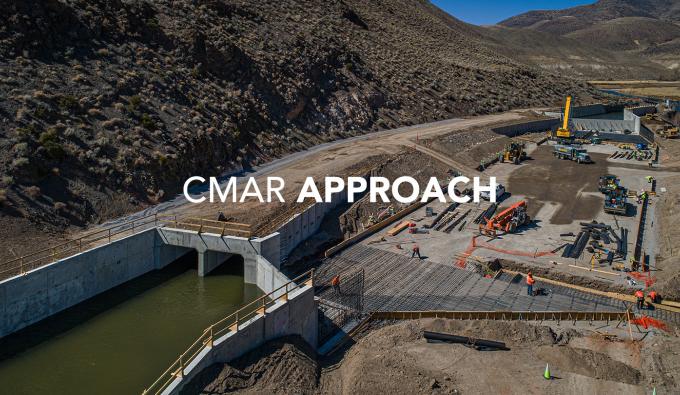
In a CMAR project, the owner hires a construction manager during design to provide early cost, schedule, and constructability input. The construction manager later commits to a Guaranteed Maximum Price once the design is sufficiently developed. This collaborative approach helps the team refine the design, reduce risk, and improve cost certainty while maintaining flexibility to identify efficiencies and deliver a more predictable project outcome.

Reduce cost by capturing value engineering and schedule savings up front, during the design phase.
Schedule is developed cooperatively, so speed is optimized and completion is accelerated by months or years.

Implement innovative solutions to technically challenging problems that reduce risks while lowering costs and shortening schedules.
CM/GC collaborative processes build a foundation of trust and transparency, resulting in a strong partnership between owner, designer, and contractor.
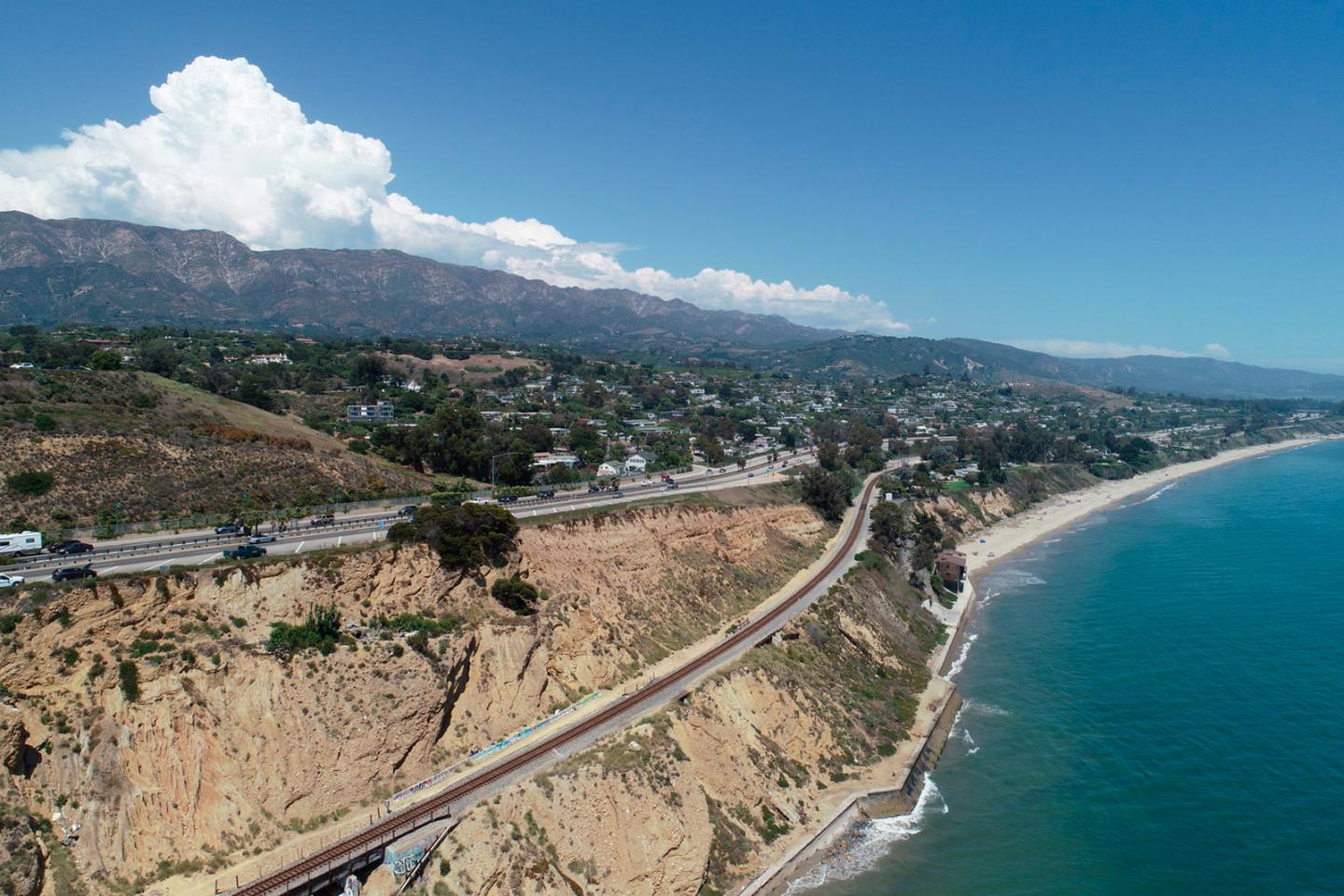

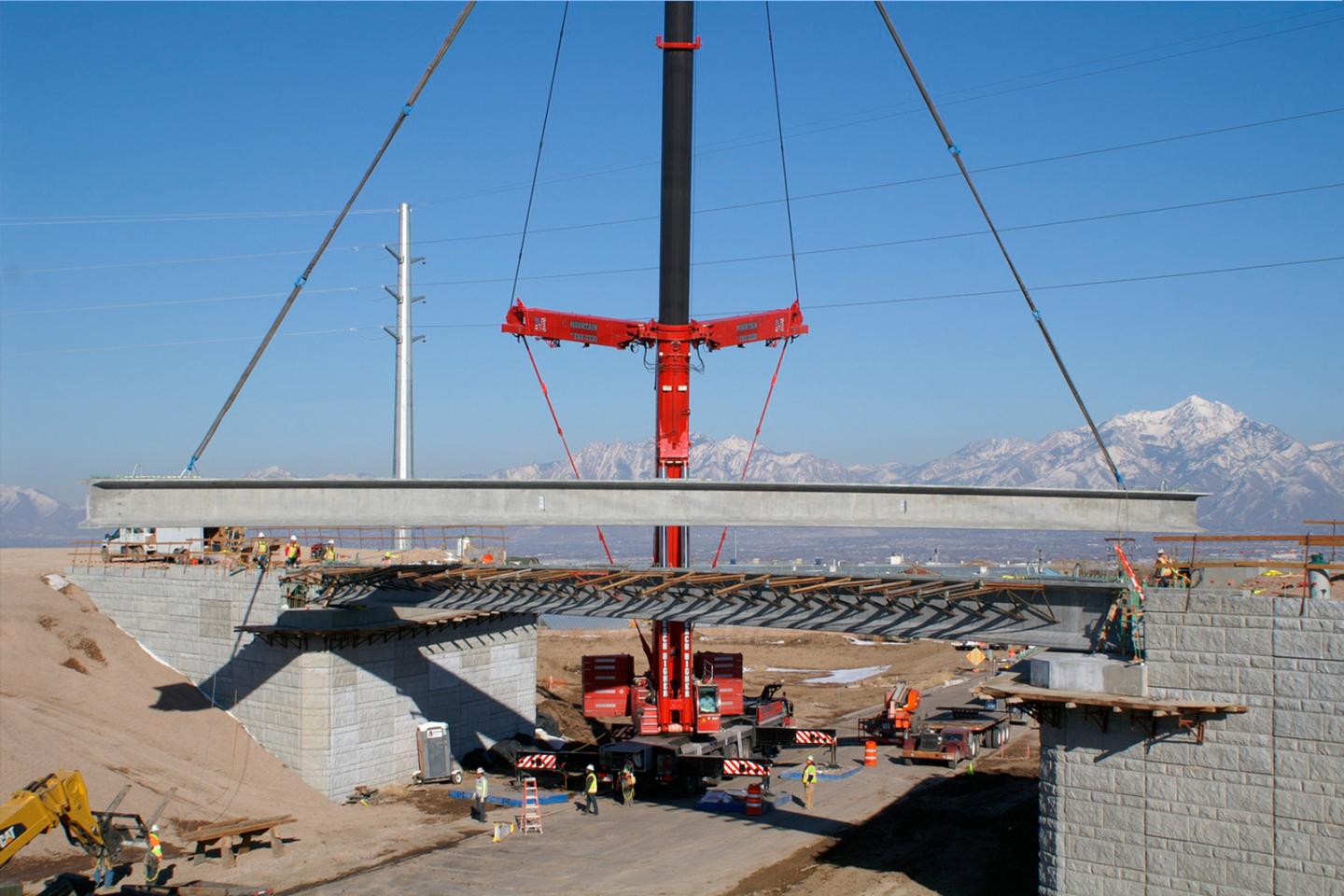
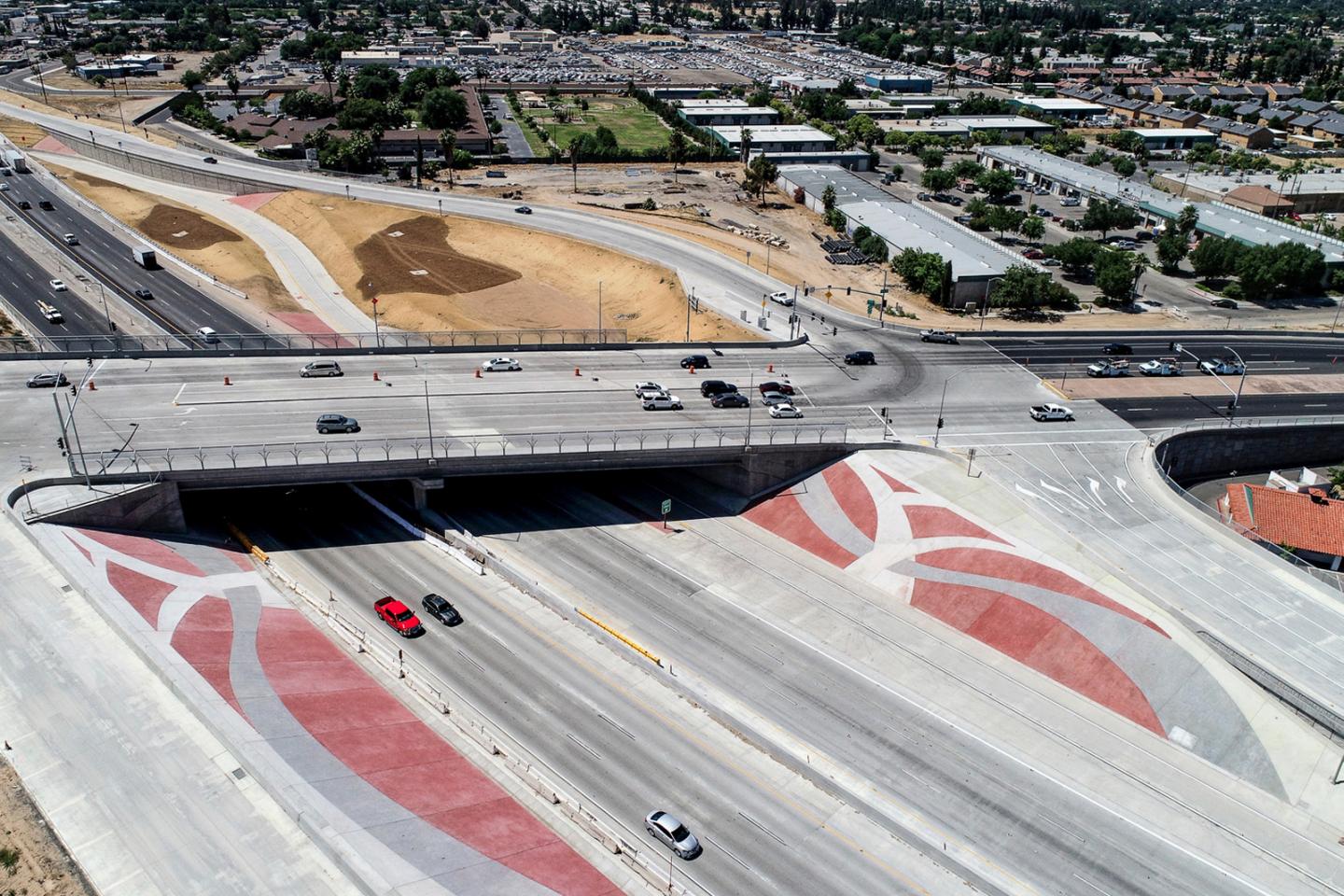

Let’s advance the industry together. Large, small businesses and specialty firms welcome.
FAQs
Collaborative project delivery is an approach that brings owners, designers, and contractors together earlier in the planning and design process. Methods such as CM/GC, CMAR, and Progressive Design-Build allow project teams to work collaboratively to improve constructability, manage risks, validate budgets, and develop efficient construction strategies before major construction begins. Granite has extensive experience using collaborative delivery approaches on transportation, aviation, bridge, and infrastructure projects.
Collaborative delivery helps public agencies improve cost certainty, reduce project risks, accelerate schedules, and make better-informed decisions during design. Early contractor involvement allows agencies to identify potential challenges sooner and evaluate alternative construction approaches before final plans are completed.
Owners often consider collaborative delivery when projects involve complex phasing, significant stakeholder coordination, utility conflicts, challenging construction conditions, accelerated schedules, or budget uncertainty. These delivery methods provide opportunities for greater collaboration and issue resolution before construction begins.
Early contractor involvement allows construction expertise to influence design decisions. Contractors can provide input on constructability, cost estimating, scheduling, risk management, traffic handling, materials, and staging strategies. This collaboration helps project teams make decisions that support safety, efficiency, and long-term project success.
In a traditional design-bid-build approach, the design is substantially complete before a contractor is selected. In a CM/GC project, the contractor joins the team during design and works alongside the owner and designer to develop solutions, identify risks, and improve project delivery before construction begins.
Transportation agencies often use CM/GC for highway, bridge, and corridor improvement projects that require complex traffic management, stakeholder coordination, utility relocation, environmental considerations, or accelerated delivery. The collaborative process helps agencies evaluate options and manage project risks before construction starts.
Granite combines construction expertise, preconstruction planning capabilities, detailed cost estimating, constructability review experience, and collaborative project management practices. The company has delivered collaborative delivery projects involving highways, bridges, airports, and other critical infrastructure while working closely with owners, designers, and stakeholders throughout project development and execution.
Collaborative delivery enables project teams to establish realistic budgets earlier through ongoing estimating, risk evaluation, value engineering, and design development. By identifying issues before construction, owners can make more informed decisions and reduce the likelihood of unexpected cost impacts.
Yes. Because planning, design development, cost evaluation, and construction preparation occur collaboratively, project teams can identify schedule opportunities earlier and often reduce delays associated with design revisions, procurement challenges, and unforeseen risks.
